





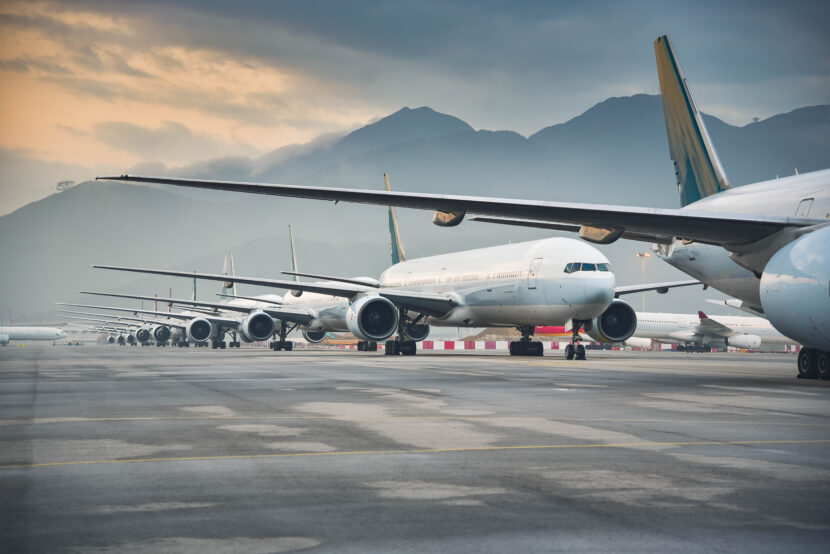
TORONTO — Travel is once again facing unprecedented challenges as the conflict in the Middle East and surging fuel costs continue to ripple across global aviation, triggering flight disruptions, schedule changes and even airline shutdowns.
Earlier this month, news broke that Spirit Airlines ceased operations after 34 years, citing high oil prices, while other carriers including Air Canada, Air Transat, WestJet and Lufthansa Group have reduced capacity, cancelled flights and introduced fuel surcharges.
For insurers like Allianz Global Assistance Canada, the situation is being closely monitored, with a focus on how these operational challenges may translate into claims activity.
“Fuel supply disruptions and broader geopolitical developments introduce uncertainty into the travel environment, particularly in terms of airline operations,” said Shannon Lofdahl, Chief Sales Officer, Travel Provider & Broker. “At this stage, we are closely monitoring indicators such as airline schedule adjustments, flight disruptions and traveller behaviour.”
From an insurance standpoint, the emphasis remains on practical impacts rather than the geopolitical events themselves. “Our focus is on operational impacts that may translate into claims activity such as delays, missed connections, or trip interruptions,” she added. “Throughout this period, our priority remains supporting our customers by providing clear guidance, timely assistance and seamless support when they need it most.”
As uncertainty continues to affect airline operations, travel insurance providers are also updating their policies and advisories to reflect the evolving situation. Last week, Manulife announced that ongoing jet fuel shortages are now considered a “known event” under its Trip Cancellation and Interruption Insurance coverage.
WHAT’S COVERED – AND WHAT’S NOT
While headlines around fuel shortages and regional instability may raise alarm among travellers, Lofdahl is clear that such events are not, in themselves, covered under most standard policies.
“Most standard travel insurance policies, including Allianz Global Assistance Canada plans, do not typically provide coverage for geopolitical events or fuel supply issues themselves. There is no specific ‘covered reason’ tied directly to fuel supply or political tension,” she said.
Instead, coverage hinges on how those issues impact a traveller’s itinerary. “Policies may respond to the downstream effects of these disruptions, depending on the circumstances and timing,” Lofdahl explained, pointing to scenarios where benefits may apply.
For instance, “Trip Cancellation coverage may apply if a traveller misses a connecting flight due to a schedule change by the airline, provided the connecting flight was scheduled to depart from a Canadian airport.” Similarly, “Trip Interruption coverage may apply if a traveller misses at least 50% of their trip due to a travel carrier delay occurring after departure (excluding cancellations made before the departure date),” while “Travel Delay benefits may apply when a traveller experiences a qualifying travel carrier delay, again excluding cancellations made prior to departure.”
However, timing is critical and often misunderstood. “A key gap for travellers to understand is that airline cancellations announced before the trip begins are generally not covered under travel delay or interruption benefits,” said Lofdahl. “This is why reviewing policy definitions, timing requirements are critical as well the fare type.”
A KEY ROLE FOR TRAVEL ADVISORS
With confusion around coverage a persistent challenge, travel advisors play a vital role in setting expectations and guiding clients through increasingly nuanced policy details.
“For travel advisors, the most important takeaway is to help clients set realistic expectations about what travel insurance covers,” said Lofdahl. “Fuel supply challenges or geopolitical developments are not insured events on their own, and coverage only applies when the situation leads to a specific, qualifying disruption as outlined in the policy.”
She encourages advisors to have proactive conversations with clients, particularly when it comes to timing and policy selection. “We encourage advisors to emphasize the importance of purchasing coverage early, particularly Trip Cancellation and Trip Interruption insurance,” she said, adding that advisors should also “walk clients through key policy definitions around schedule changes, carrier delays, and missed connections.”
Equally important is clarifying the role of insurance alongside airline responsibilities. “Remind travellers that insurance complements, but does not replace, airline obligations or goodwill measures when it comes to cancellations or rerouting,” Lofdahl noted.
As the situation continues to evolve, clear communication remains essential. “Clear communication upfront helps ensure travellers understand their coverage and reduces confusion at the time of a claim,” she said. “As conditions evolve, we continue to monitor developments closely and will communicate any changes should coverage responses be updated in the future.”
