





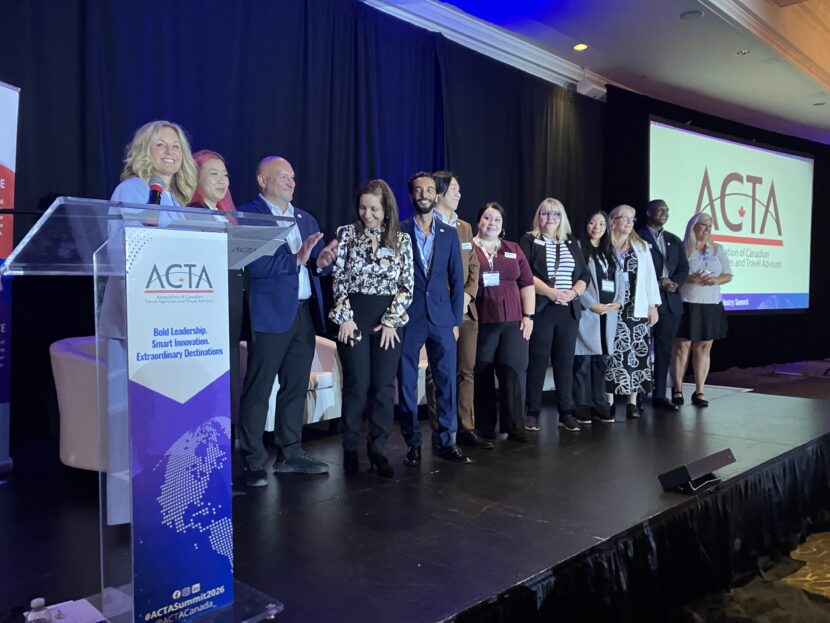
TORONTO — The travel industry may be navigating one of the most complex business environments in years, but it’s this very complexity that’s making the role of travel advisors much more valuable.
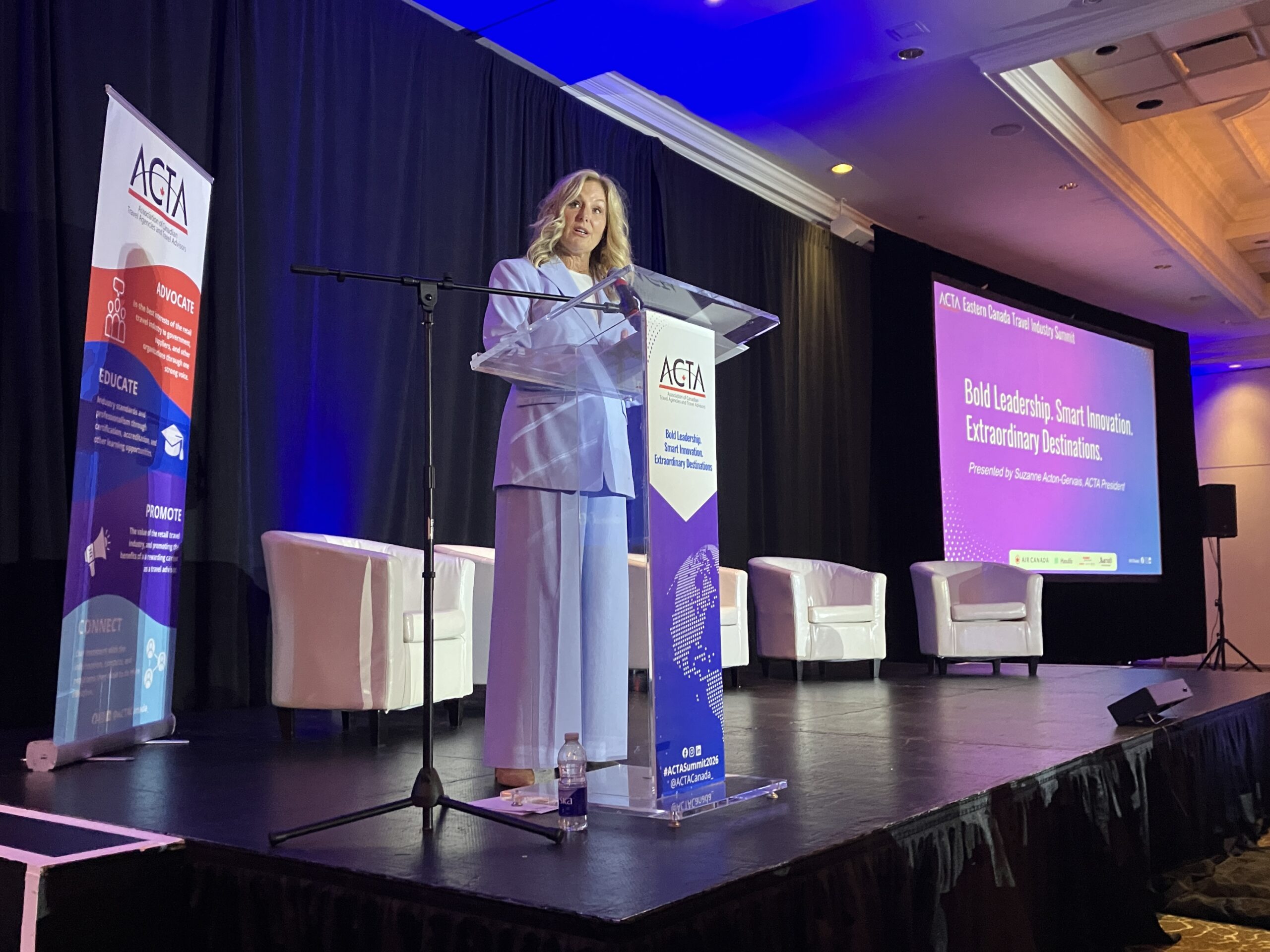
Suzanne Acton-Gervais, President of ACTA
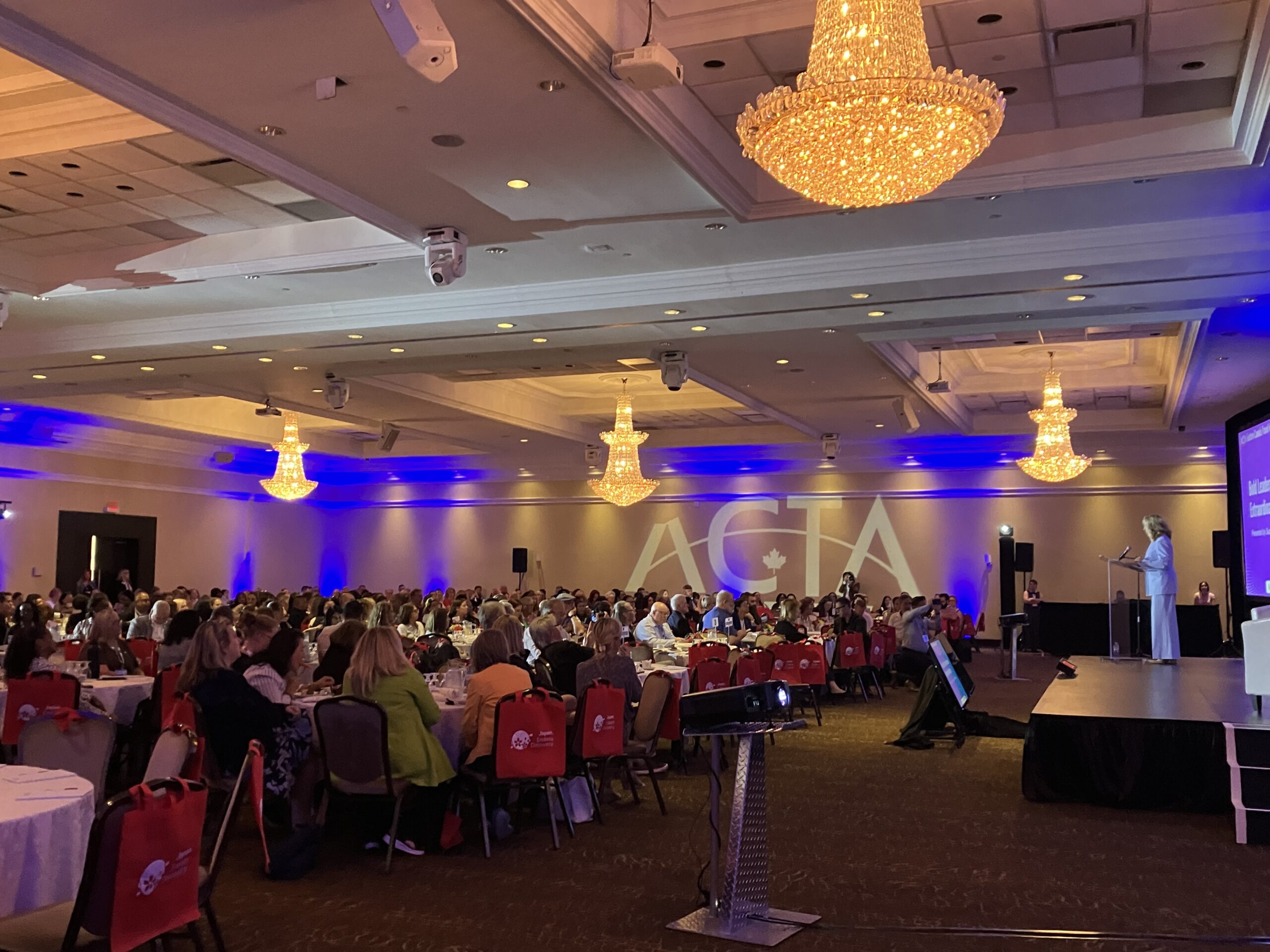
That was the key takeaway message from the Association of Canadian Travel Agencies and Travel Advisors (ACTA) at its Eastern Canada Summit yesterday, which welcomed over 500 travel advisors and a record 212 suppliers at Toronto Pearson Convention Centre. During her opening address, ACTA President Suzanne Acton-Gervais pointed to several challenges that are reshaping the industry, including geopolitical tensions, artificial intelligence, fraud and changing airline compensation models.
But for ACTA, those pressures strengthen rather than diminish the need for travel advisors.
“What changes from one generation to another is how travel is discovered, planned and experiences,” she said. “What does not change is the need for expertise, personalization and confidence. That is where the travel advisor becomes more valuable, not less.”
And in an environment where travellers have more information and choice at their fingertips than ever before, she added the advisor’s real value lies in helping clients make sense of it all. “There is more information than ever, but not necessarily more confidence. More choice, but not necessarily more clarity.”
“FAIR AND TRANSPARENT COMPENSATION”
Among the biggest concerns for ACTA and Canadian travel advisors this year is how supplier policies affect the businesses that sell and service travel.
ACTA’s 2026 advocacy survey drew 133 responses, with 65% identifying supplier commercial policies – including distribution, commissions and compensation – as the leading priority. Travel rights and disruption followed at 43%, while fraud prevention and cybersecurity came in at 31%.
Acton-Gervais said members also want ACTA to focus its engagement on airlines, the federal government, tour operators and vacation package companies.
“They want fair and transparent compensation, timely payment and commission protection, clear commercial policies, strong servicing tools and respect for the agency-advisor-client relationship,” she said.
RISING COSTS & U.S. TENSIONS
Adding to the complex nature of today’s travel landscape are ongoing Canada-U.S. trade tensions, which escalated last month when both sides imposed tariffs and President Trump signed an executive order to rename Lake Ontario to “Lake America.”
Outbound travel to the U.S. continues to see massive declines amid the trade war. According to recent data from Signal49, the number of Canadians returning by air from the U.S. declined year over year for 32 consecutive months through April 2026.
On the upside, as Acton-Gervais noted, Canadians are turning to a broader range of travel experiences across Canada, the Caribbean, Europe, Asia and Central and South America.
And while the cost of travel is becoming harder to ignore – 70% of advisors identified cost as their leading concern in a recent Phocuswright survey – the desire to travel for many Canadians is still there.
“They may change the timing. They may adjust the budget. They may choose a different destination, but they have not lost the desire to explore, reconnect and experience something beyond the everyday,” she said.
GEN Z AND THE ‘LONGEVITY’ TRAVELLER
For younger travellers, inspiration may start on a screen but many, says Acton-Gervais, still want a human expert to help shape the experience.
She cited Sky Center research showing that 52% of Gen Z travellers globally take at least three leisure trips a year, while a Chase travel survey found that 60% of Gen Z and millennial respondents want to use a travel advisor. She also noted that 40% of Gen Z Canadians are willing to travel without purchasing travel insurance, creating an opportunity for advisors to educate younger clients on protection and risk.
At the other end of the spectrum are the 50-plus, or who Acton-Gervais describes as “Longevity travellers” with time, resources and an appetite to continue exploring.
“Today’s travellers over 50 are living longer, fuller lives and rewriting the traditional rules around work, spending, health and retirement,” she said.
Across generations, she added, the common thread is a growing desire for experiences that feel meaningful and personal.
“Luxury was once defined by what we owned. Increasingly, it is defined by what we experience: time, access, personalization, authenticity and memories,” she said.
AI: TOOL, NOT REPLACEMENT
Of course, it’s impossible to reflect on travel this year without mentioning artificial intelligence and how it’s impacting and changing how travel advisors do their work.
As Acton-Gervais noted, AI is quickly becoming part of the travel advisor toolkit, opening up new ways to streamline everyday tasks and run businesses more efficiently.
“AI can compare options, summarize information, produce a first draft and build an itinerary in seconds,” she said, adding that “we should learn it, test and it and use it responsibly.”
But for those worried about being replaced by AI, Acton-Gervais doubled-down on the increasingly important role of advisors during this new era. Their value, she said, lies in helping clients interpret an overwhelming amount of information and make the right choices for their individual needs.
“A search engine can offer a thousand answers, and a great travel advisor knows which questions to ask first,” she said. “Your value is that you can turn information into the right decisions for a real person. Technology changes, trust endures.”
For Acton-Gervais, the future is not a choice between people and technology, but a combination of both.
“The future belongs to professionals who combine smart tools and human judgment, efficiency and empathy, data and relationships,” she said. “The future of travel is human.”
“SEEKING MORE CONNECTION”
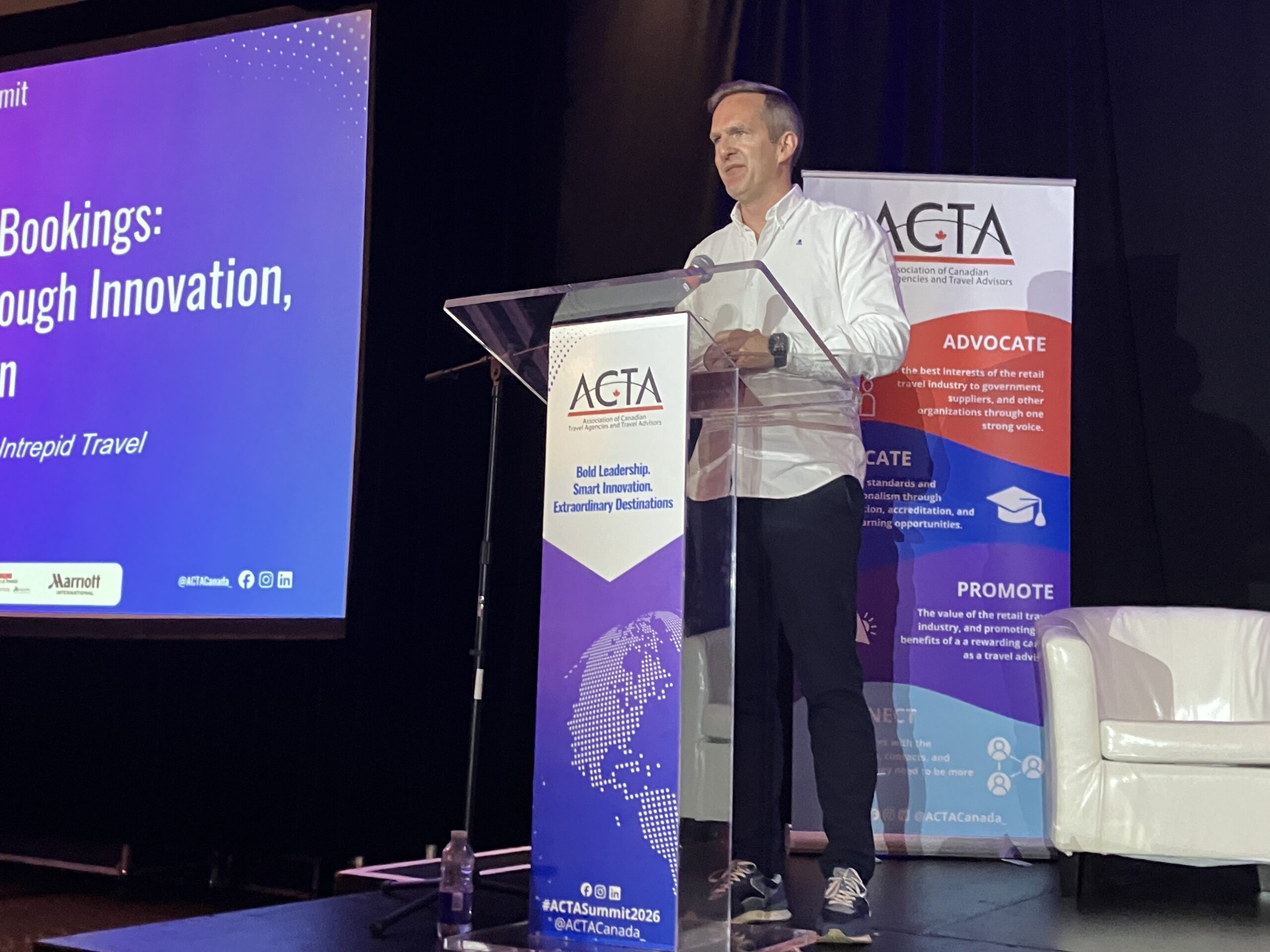
Keynote speaker, James Thornton, CEO Intrepid Travel
That focus on human expertise was echoed by keynote speaker James Thornton, CEO of Intrepid Travel, who said the rise of AI could actually strengthen the value of travel advisors. With travellers able to generate itineraries, compare flights and find restaurants almost instantly, he said the opportunity increasingly lies in delivering the experiences and connections technology cannot reproduce.
“When information becomes unlimited, I think it’s the experience that is going to become really treasured,” Thornton said. “Travellers aren’t seeking more information. What they are seeking is more connection, more perspective and more authentic stories.”
He also urged advisors to think beyond traditional tourism hotspots and seek out locally rooted experiences that benefit the communities clients visit. He pointed to the rapid mainstream growth of adventure travel, noting that Intrepid’s fastest-growing segment is baby boomers and that 71% of its solo travellers are women.
EMERGING DESTINATIONS
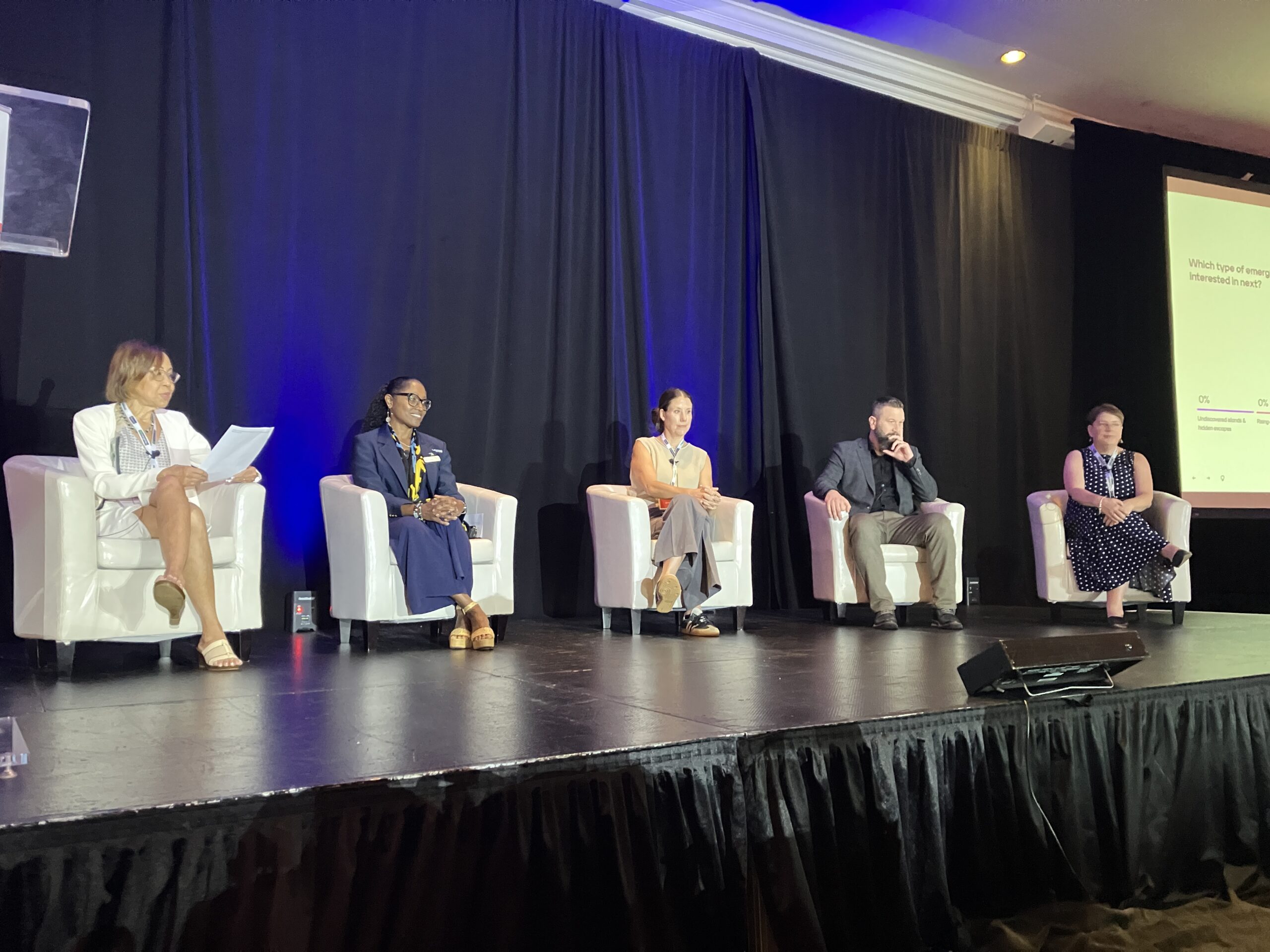
ACTA Panel Discussion
A panel discussion moderated by Christine James, VP-Canada , Travel Leaders Network and featuring Mikala Moss, Sales & Marketing, Canada & China, Bahamas, Caroline Tinsley, Head of Partnerships, Canada, Intrepid, Sébastien Benedict, President & CEO, Tourism Industry Association of Canada (TIAC) and Heidi Schnitker, BDM-Central Ontario & Manitoba, Collette, identified the clearest opportunities for travel advisors today.
Panellists pointed to growing interest in less-crowded destinations, local culture, outdoor experiences and slower, more immersive travel, with examples ranging from the Yukon and lesser-known regions of Quebec to Corsica and the Out Islands of The Bahamas.
The discussion also underscored the importance of advisor knowledge and supplier support when selling places clients may know little about. Schnitker encouraged advisors to use BDMs and tourism boards to build confidence around unfamiliar products and overcome concerns about accessibility or logistics.
At the same time, Benedict pointed to domestic tourism as an area worth watching closely, particularly destinations connected to national parks, museums and other federal assets. “One thing I’d keep my eye on this year is destinations where there are federal assets,” he said, adding that the industry can play a role in encouraging Canadians to explore more of their own country.
AND THE WINNERS ARE…
The Summit concluded with the ACTA Leadership Awards presentation.
The winners are:
- Gerald Heifetz Advocacy Award: Christine James CTM, Travel Leaders Network
- Leisure Travel Advisor Award: Dean Nelson CTC, Personal Travel Management
- Corporate Travel Advisor Award: Roxeanne Rae, Sea to Sky Travel
- Travel Manager Award: Corinne Scollon, Direct Travel
- Tomorrow’s Leader Award: Jamsheed Pocha, The Pelican Club
- Ches Chard Education Award: Doug Ellison, Ellison Travel and Tours
- CTC/CTM Lifetime Achievement Award: Melissa Chown CTC, CAA Atlantic
ACTA also announced the winner of its Referral Program, which ran from Jan. 1 to Aug. 31, 2026. Ola (Aleksandra) Honeysett of Jet Lag Voyages – The Travel Agent Next Door has won an Aurora Expeditions cruise.
Congratulations to all the winners!
ACTA’s Fall Summits continue on Sept. 15 in Quebec and Sept. 29 in Vancouver.
Lead image caption: Suzanne Acton-Gervais (far left) alongside the ACTA team at the ACTA Eastern Canada Summit on Sept. 9
