



TORONTO — First-class tickets, champagne on arrival, butler service and high thread counts are all hallmarks of luxury travel. But in today’s travel landscape, luxury has gone beyond extravagant comforts – it can also mean access to authentic experiences, meaningful connections and the freedom to explore a destination entirely on your own terms.
Recent industry research backs up that shift. A January 2026 Flywire survey of more than 500 U.S. luxury travellers found that 93% said luxury travel is less about the most exclusive accommodations and more about access to authentic people, places and experiences. Meanwhile, a Virtuoso survey of Canadian travel advisors found that 73% had clients choosing off-season travel, with 58% citing the desire to avoid crowds and overtourism as the main motivation.
The findings point to a broader evolution in what affluent travellers value, from meaningful experiences and greater privacy to more thoughtful timing and personalized itineraries. For travel advisors, that means looking beyond traditional markers of luxury to understand what matters most to each client. Misty Belles, Vice President of Public Relations at Virtuoso, shares her perspective on how the definition of luxury is changing and the trends shaping its future.
LUXURY ON YOUR OWN TERMS
“Luxury travel has evolved because luxury travellers themselves have evolved,” says Belles. “What they want, what they expect and what they value from travel has changed.”
While exceptional hotels and standout service remain fundamental, they are no longer the only measures of a luxury experience. Travellers increasingly value their time, access to distinctive experiences and opportunities to connect more deeply with a destination’s culture. Luxury might mean seeing a place in a way others cannot, or simply having the flexibility to experience it at their own pace.
“Luxury has always been personal, but the ways travellers define and experience it continue to evolve,” says Belles.
That growing desire for more considered travel is also influencing seasonality. Virtuoso’s fall sales are up 69% year over year, with bookings up 59%, as travellers increasingly look beyond the traditional summer travel period.
“They want to avoid extreme heat and peak-season crowds, but it’s about more than that,” says Belles. “They’re thinking about when a destination is truly at its best, when it’s the most authentic because you can see the livability, and planning accordingly.”
Rather than automatically travelling during peak season, clients are considering when a destination offers the most rewarding experience, from a more comfortable climate to a better opportunity to see local life beyond the tourist crowds.
PRIVACY, FLEXIBILITY & CONNECTION
Privacy is another important part of the evolving luxury landscape, particularly at the ultraluxury end of the market, which continues to grow. Celebratory and milestone trips are an important part of that demand, with travellers seeking the freedom to enjoy destinations on their own terms.
For some, that may mean a private experience or an itinerary that leaves plenty of room for spontaneity. For others, it could be the opportunity to explore a destination more deeply without feeling rushed.
Ultimately, says Belles, it comes down to having greater control over the experience and making the most of the time available to travel.
A NEW CONVERSATION FOR ADVISORS
For advisors, the broader definition of luxury reinforces the importance of understanding the individual behind the booking. Instead of focusing exclusively on hotels, cabin classes or other traditional markers of luxury, the conversation can centre on what the client values most, whether that is privacy, access, flexibility or experiences that reflect personal interests.
Advisors can also help clients determine where an investment will make the greatest difference. That might involve recommending the right time to visit a destination or arranging an experience that would be difficult to access independently.
“A broader definition of luxury also creates opportunities to work with travellers across different budgets and life stages,” says Belles. “Luxury is not simply a matter of price point; it’s about understanding a client’s priorities and tailoring the experience accordingly.”
Firsthand knowledge and industry relationships remain key to delivering that value, helping advisors create itineraries that feel personal rather than simply expensive.
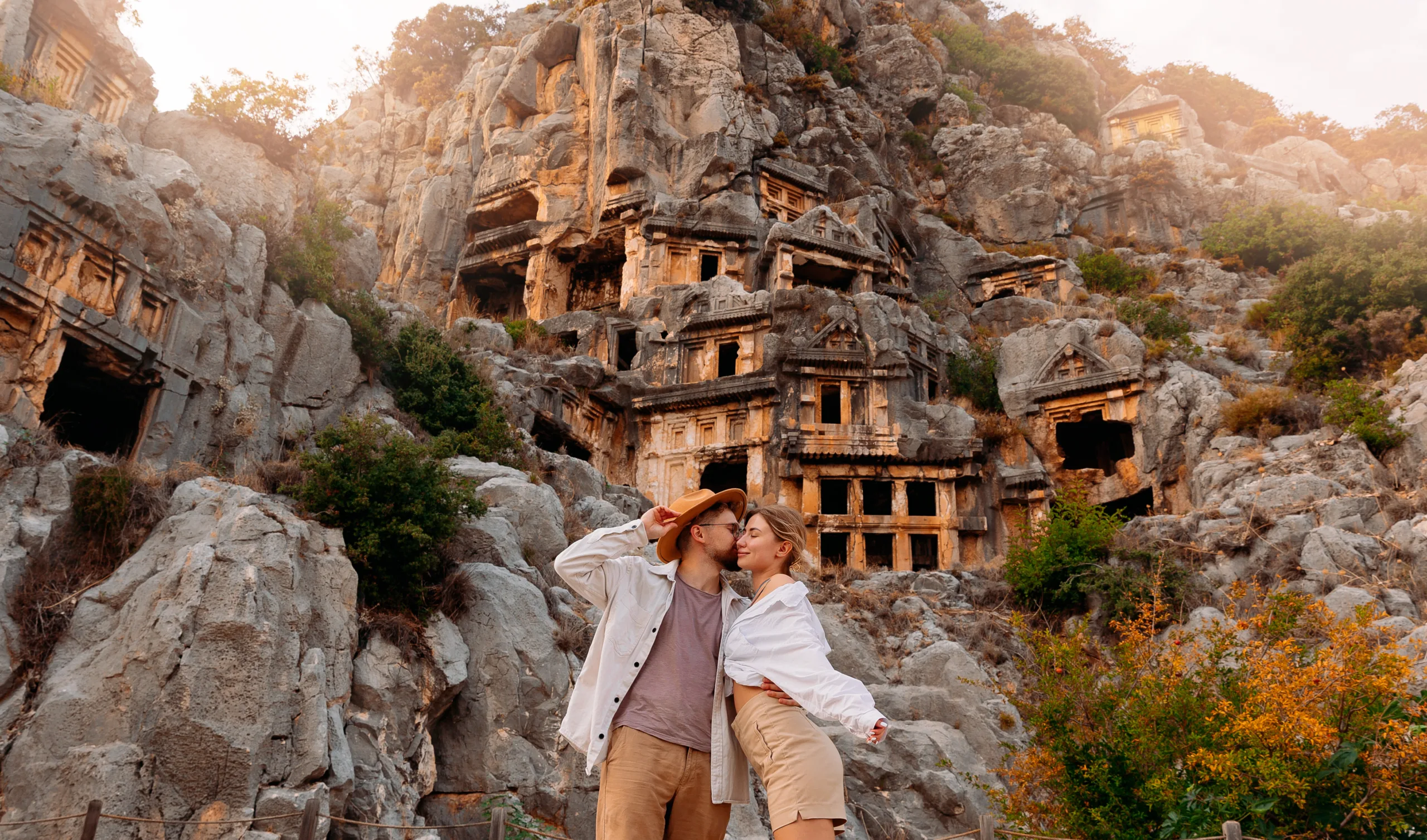
- Myra Ancient City, Antalya, Turkey
NEW DESTINATIONS & PERSPECTIVES
Virtuoso’s 2027 Luxe Report highlights both the continued appeal of established destinations and growing interest in exploring new places. Japan has moved into the top position among requested destinations, while China is the leading destination on the rise, reflecting travellers’ interest in cultural discovery and fresh perspectives.
Vietnam, Egypt and Turkey are also attracting attention, offering distinctive cultural experiences and strong value relative to some traditional luxury destinations.
The shift is evident in the types of trips travellers are choosing, too. Multigenerational travel remains a major priority, with families looking for experiences that bring different generations together. Expedition cruising is opening up opportunities to explore more remote destinations, while wellness has become the leading motivation for solo travel, as more people shape their trips around individual interests and priorities.
These trends point to a luxury market that is increasingly varied, with no single formula for what makes a trip exceptional.
For travel advisors, the opportunity lies in looking beyond the familiar signals of luxury to understand what a client really wants from a journey. Whether it is exclusive access, a quieter season, a meaningful cultural connection or simply more freedom to travel their way, the new luxury is ultimately about creating an experience that feels uniquely their own.
This article originally appears in the Nov. 19 issue of Travelweek. To read the issue, click here.
