





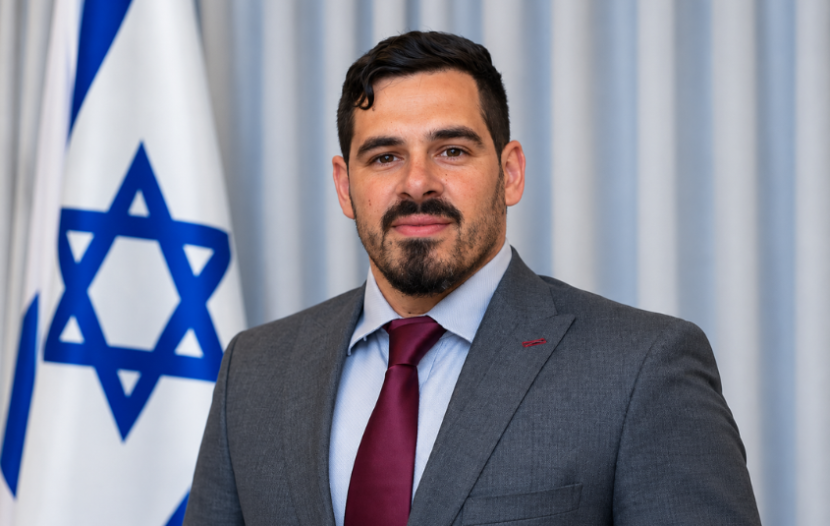
TORONTO — Taimur Mansour is taking the helm of the Israel Ministry of Tourism’s Canadian office at a pivotal moment, as the destination seeks to rebuild traveller confidence and air connectivity amid ongoing conflict and significant disruption to tourism.
Travelweek spoke with Mansour, who was appointed Consul, Director of Tourism for Canada in August 2026, about his priorities for the market, the role of travel advisors and what it will take to bring Canadian visitors back to Israel.
The challenges remain substantial. The conflict continues and tours have shut down, while the Government of Canada continues to advise Canadians to avoid non-essential travel to Israel and Jerusalem because of the volatile security situation. Its advisory also warns that ongoing military activity can cause travel disruptions, including flight cancellations.
“Our priority at the Israel Ministry of Tourism is to lay the groundwork for a strong and sustainable rebound in tourism,” Mansour told Travelweek. “We cannot simply wait for tourism to return, we need to do the work now.”
That work, he said, includes strengthening airline connectivity, working closely with Israel’s tourism sector and rebuilding awareness among Canadians.
“Part of that work is also showing Canadians the Israel of daily life: an open, welcoming and inspiring destination that is a very different picture from what people may only see through international news coverage,” he said.
Based in Toronto, Mansour will oversee IMOT’s efforts to grow travel from Canada through partnerships with the travel trade, tour operators, media and airlines, as well as roadshows, marketing campaigns and content initiatives.
He previously served as Director of Media and Campaigns Department at the Ministry of Tourism in Jerusalem, where he directed a global network of 19 public relations managers and worked on content partnerships, media buying, social media strategy and international campaigns. A member of Israel’s Druze community, Mansour also previously worked as a professional tour guide. He is fluent in Arabic, Hebrew and English and is conversant in Chinese.
REBUILDING FROM A STRONG BASE
Mansour sees potential in Canada, particularly given the market’s past performance. Approximately 100,000 Canadians visited Israel in 2019, according to Mansour, a level he hopes the market can eventually begin moving toward again.
“During my first year as Consul and Director for Canada, my priority will be to begin rebuilding toward this potential while taking the time to listen, learn and better understand the Canadian market,” he said.
His first months will focus on identifying where the industry needs support and reconnecting with advisors, operators, airlines and media.
“I want Israel to be present again in the Canadian travel conversation, as a unique, open and inspiring destination,” he told Travelweek. “Connectivity is also key, and we want to work with our aviation partners to encourage stronger air links as the market develops.”
That push comes as North American airlift to Tel Aviv begins to rebuild. As reported by Travelweek earlier this month, Air Canada is resuming its Tel Aviv service out of Toronto ahead of schedule, on Nov. 30.
For Mansour, improving connectivity will be an important part of rebuilding Canadian tourism over time, although the current security situation and travel advisory remain significant considerations for the market.
TRAVEL ADVISORS: “MUCH MORE THAN A BOOKING CHANNEL”
Restoring air access is only part of the equation. Mansour said Canadian travel advisors will have an important role in rebuilding awareness and confidence, and wants the Canadian office to be readily available to the trade with training, current information and direct communication.
“Specifically for Israel, an advisor is much more than a booking channel. They are a trusted source of information and they help travellers understand how much the destination has to offer,” he told Travelweek.
“I want to meet the advisors in person, in webinars, at conferences and connect through newsletters,” he said.
Mansour also plans to strengthen links between Canadian advisors and tour operators and their counterparts in Israel through roadshows and other industry events.
“This relationship needs to work both ways,” he said. “While we connect Canadian partners with the Israeli tourism sector, I also want to hear directly from advisors about what they’re seeing in the market, what their clients are asking for and how we can best support them.”
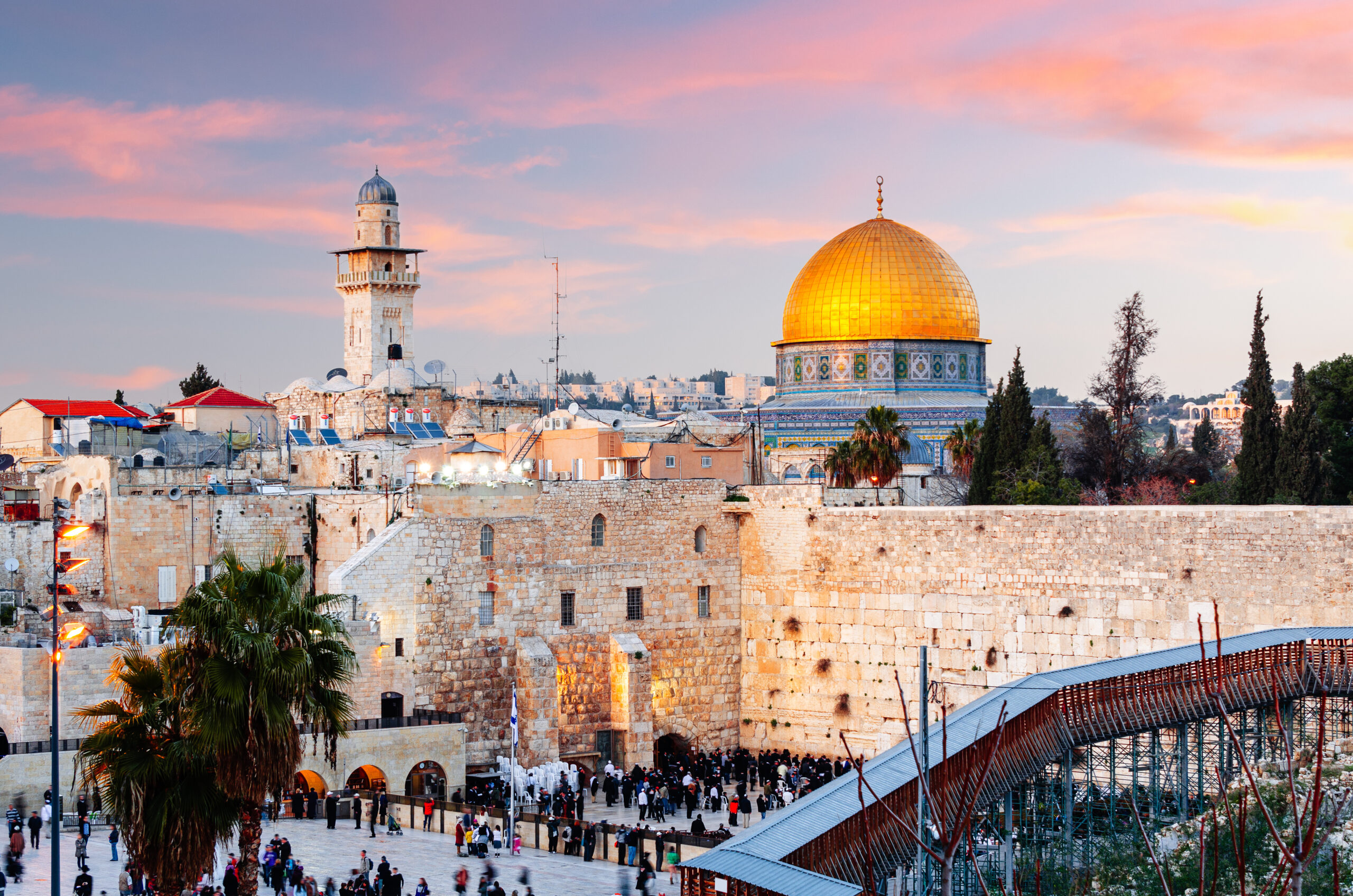
Old Jerusalem, Israel
IT WILL TAKE TIME
The ongoing conflict has significantly affected tourism demand and traveller confidence, something Mansour acknowledges will take time and consistent communication to address.
“I believe confidence comes from experience and from sourcing reliable information,” he said. “We need to make sure Canadian advisors, operators, media and travellers have clear and current information.”
Mansour noted that faith-based travel will remain an important part of Israel’s Canadian business, particularly among Jewish and Christian travellers whose reasons for visiting often extend beyond a conventional holiday.
BEYOND HISTORY AND RELIGION
While Jerusalem and Israel’s religious and historic sites remain central to its tourism appeal, Mansour also wants Canadian advisors to look beyond those traditional selling points.
“Israel is a modern, multifaceted destination that offers an incredible range of experiences for different types of travellers,” he told Travelweek.
Within a relatively compact area, he pointed to experiences ranging from the Mediterranean coast and the Dead Sea to desert landscapes, food and wine, contemporary city life and diverse communities.
“A core of the Israeli experience is its people,” Mansour said. “Israelis are uniquely warm, open and natural conversationalists who love engaging with tourists.”
Food and wine are another area he believes deserves more attention, from the markets and restaurants of Tel Aviv and Jerusalem to boutique wineries in the Galilee and vineyards in the Negev.
Tel Aviv, meanwhile, offers beaches, nightlife, food and culture alongside the country’s layers of history and tradition.
“This contrast is one of the things that makes Israel so special,” he said.
CONSISTENT GROWTH IS THE GOAL
Mansour ultimately measures success in straightforward terms: getting more Canadians travelling to Israel again. But he does not want the recovery to be judged by a single visitor target.
“Not a single number, but consistent growth,” he said. “To get there sustainably, we need to rebuild the foundations that will support that growth.”
That means bringing Israel back into Canadians’ consideration set, strengthening its presence across the Canadian travel industry, increasing advisor and operator engagement and improving air connectivity.
“I don’t look at success as one number in isolation,” Mansour told Travelweek. “The number matters, of course, but I also want to see the market underneath it become stronger.”
Lead image caption: Taimur Mansour, Consul, Director of Tourism for Canada at the Israel Ministry of Tourism (IMOT)
