





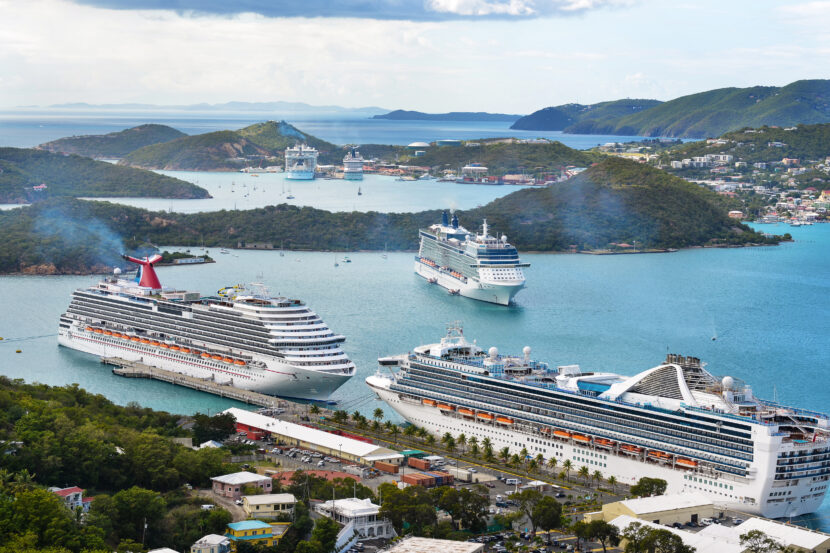
TORONTO — If there was ever a question of whether the cruise industry is building too many ships, the answer from industry insiders is a resounding no.
Cruise lines continue to invest heavily in new hardware, introducing bigger ships, new itineraries and fresh onboard experiences to meet what remains an insatiable appetite for cruising. According to Cruise Lines International Association’s (CLIA) 2026 State of the Cruise Industry report, global cruise passenger volume reached a record 37.2 million in 2025, while nearly 90% of cruisers say they intend to sail again.
The industry’s confidence is also reflected in its growing fleet. CLIA says its member cruise lines will operate 325 ocean-going ships in 2026, with 11 new vessels entering service this year alone. From intimate expedition ships to mega-resorts at sea, the additions underscore an industry that continues to invest in long-term growth.
But can demand keep pace with all that added capacity? According to cruise experts and agent specialists, all signs point to yes.
“A VERY ROBUST STATE”
Vanessa Lee, President of Cruise Strategies Ltd., says the industry’s measured approach to growth has helped ensure supply and demand remain in balance.
“I am delighted to say that the cruise industry is in a very robust state, and I see no reason why this would change,” she tells Travelweek. “Other than the blip of Covid in 2020 and 2021, the cruise lines have continued to grow at a predictable and thoughtful pace, and consumers have easily met the increased capacity.”
Lee credits cruise lines with continually evolving their products while carving out distinct identities that keep loyal guests coming back.
“Brands are cleverly differentiating themselves with bold moves,” she sats, pointing to Royal Caribbean’s Perfect Day concept and expanding collection of private destinations as one example.
“Royal is now the number one brand for family cruising, and they have made a purposeful journey to get there. Loyal customers return to favourite cruise lines again and again and practically demand new ships to sail as the onboard experiences continue to evolve.”
She adds that every segment of the industry is investing in new ships or fleet enhancements to appeal to its core audience.
“Literally all of the mainstream, contemporary and premium brands are adding new ships or updating their fleets to offer more of what their particular customers desire.”
Travel advisors also continue to benefit from strong supplier relationships.
“The cruise lines continue to be very supportive of travel advisors in making bookings or finding clients, and the commissions these brands pay are increasing practically every
quarter – good news for all.”
BOOKING EARLIER – AND SMARTER
On the front lines, Cheri Ozimac, Senior Travel Designer at Tully Luxury Travel in Mississauga, says client behaviour supports the industry’s confidence.
“Demand has definitely kept pace with the industry’s growth, especially in the luxury sector,” she tells Travelweek. “While new ships give us more options to match clients with the right experience, the most desirable itineraries and suite categories still sell out well in advance.”
One of the biggest shifts she’s seeing is how far in advance clients are planning.
“Clients are booking much earlier, often 12 to 24 months ahead, to secure their preferred sailing.”
She also says traveller interest is becoming more diverse, with luxury cruising appealing to a wider range of clients than in previous years.
“We’re seeing more first-time luxury cruisers, along with repeat guests who are trying different cruise lines rather than staying loyal to just one,” she says, noting that demand remains especially strong for destinations like Antarctica, Japan, Norway and the Mediterranean.
GROWTH ACROSS EVERY SEGMENT
While mainstream cruising remains strong, Lee says several sectors are experiencing particularly impressive growth.
Expedition cruising continues to attract travellers eager to tick off bucket-list destinations, including both polar regions.
“There is impressive growth in the expedition market as customers signal their intent to cruise further afield and take bucket-list trips to both the North and South Pole regions,” she says.
Demographics are also helping fuel demand.
“As our population ages, with the first baby boomers celebrating their 80th birthdays this year and the youngest of the boomers turning 62 in 2026, these ready-to-spend boomers are turning to smaller ships, expedition journeys and far-flung destinations such as Asia,” says Lee.
River cruising continues to expand as well, attracting both seasoned cruisers and travellers who may not have considered an ocean voyage.
“It’s a successful and marvellous story, and a product that most cruisers will try – especially those who don’t want an ocean cruise for whatever reason – they are gravitating to river cruises,” she adds.
Luxury cruising, meanwhile, remains one of the industry’s fastest-growing sectors.
Lee points to the arrival of newer brands such as Explora Journeys, The Ritz-Carlton Yacht Collection, Four Seasons Yachts, Aman Cruises and Orient Express, alongside continued investments from established luxury players.
“These highly regarded luxury land brands are changing the face of cruising in the small-ship luxury segment,” she says. “They will naturally bring their clientele with them, graduating them from land to sea seamlessly.”
MORE SHIPS, LOWER PRICES?
Although more capacity often raises questions about pricing, both Lee and Ozimac say cruise lines have largely resisted widespread discounting.
Instead, suppliers are focusing on value-added offers.
“There will always be preferred pricing and strategic promotional offers,” says Lee. “Adding air offers or inclusive aspects to the offer, reduced deposits, loyalty programs and such are a fixed part of the cruise lines’ commercial strategy.”
Ozimac agrees, noting that luxury brands in particular are protecting their premium positioning.
“We’re seeing more value-added offers rather than deep discounting, particularly in the luxury market,” she says.
Perks such as onboard credit, complimentary airfare, shore excursion credits, laundry packages and suite upgrades are becoming increasingly common.
“These offers definitely help convert bookings, but for most luxury clients, the itinerary, ship and overall experience remain the biggest deciding factors. Promotions are often the final incentive rather than the primary reason they book,” says Ozimac.
EXPANDING CHOICE AND EXPECTATIONS
While travellers now have more ships and itineraries to choose from than ever before, Ozimac says they’re also becoming more discerning.
“The additional ships provide more choice, but I find clients are actually becoming more selective,” she says. “They’re placing greater emphasis on the overall experience, choosing the cruise line based on its style, inclusions and destination expertise rather than simply picking an itinerary.”
That growing sophistication, combined with continued innovation across the industry, gives Lee plenty of confidence about cruising’s future.
“In essence, the cruise industry is booming,” she says. “Fabulous new lines and ships are arriving at an intense pace, and more and more people are trying cruising in every segment and loving it. Most guests who cruise will cruise again.”
For travel advisors, that’s perhaps the biggest takeaway. More ships don’t appear to be diluting demand. Instead, they are giving advisors more opportunities to match clients with increasingly specialized cruise experiences – and, judging by booking trends, travellers are more than ready to come aboard.
