





TORONTO — Sometimes the hardest part of selling travel isn’t finding the perfect vacation – it’s knowing when a client relationship has reached its natural end.
While most travel advisors pride themselves on building long-term relationships, there are times when saying “no” – or referring a client elsewhere – is the best decision for everyone involved. Whether an advisor is at capacity, a client’s needs fall outside their expertise, or the relationship has simply stopped working, industry veterans say ending the partnership professionally can actually strengthen an advisor’s business.
For Sue Hawkes, Beach & Cruise Specialist with Expedia Cruises in Mississauga, Ont., the decision has rarely been about difficult clients.
“I’ve been very fortunate,” says Hawkes, who has worked as a travel advisor for 14 years. “Most of my business has come through personal relationships and referrals from friends, family and long-time clients, so I haven’t encountered many truly difficult clients over the years.”
Instead, she says, the biggest challenge has been knowing her own limits.
“As my business has grown, I’ve realized I simply can’t physically, mentally and emotionally sustain the same level of thoughtful, personalized service for an unlimited number of people,” she tells Travelweek. “I’d rather provide exceptional care to the clients I’ve committed to than spread myself too thin trying to say yes to everyone.”
IT ISN’T ALWAYS ABOUT DIFFICULT CLIENTS
Hawkes estimates she works regularly with about 50 to 60 active client families, many of whom have booked with her for a decade or longer.
Those long-standing relationships have taken her clients from honeymoons and destination weddings to family vacations and, now, trips with children and grandchildren.
“It becomes much more of a long-term partnership than a one-time transaction,” she says. “In some cases, those relationships have grown into dear friendships.”
That makes the occasional decision to part ways all the more significant.
One client, for example, gradually began requesting trips that fell outside Hawkes’ specialty of beach and cruise vacations.
“Rather than trying to be everything to everyone, I referred them to a trusted colleague who specialized in the type of travel they were looking for,” she says. “I genuinely believed they would be better served by someone whose niche aligned with their needs.”
Another situation involved a complex group booking where her professional advice was repeatedly ignored.
“The planning process became far more stressful and time-consuming than it needed to be,” she says. “It reinforced how important mutual trust and respect are in any advisor-client relationship.”
Like many advisors, Hawkes also faced unprecedented challenges during the COVID-19 travel disruptions. While most clients were understanding, one interaction stood out.
“It lacked the mutual respect and empathy that I believe is essential in a professional relationship,” she recalls. “It confirmed for me that I want to work with clients who value the expertise, care and advocacy I bring to the planning process.”
Those experiences helped shape the philosophy she lives by today.
“Saying no isn’t about rejecting a client,” she says. “It’s about being honest when someone would be better served by another advisor, or recognizing when a working relationship is no longer healthy for either person.”
HONESTY GOES A LONG WAY
For advisors worried about damaging their reputation or attracting negative online reviews, Hawkes believes professionalism should always come first.
“I think it starts with treating people the way you’d want to be treated – with professionalism, kindness and respect,” she says. “Even if a client is disappointed, I believe they deserve honesty and a thoughtful conversation rather than avoiding the issue or making excuses.”
Ultimately, she says, advisors can only control how they conduct themselves.
“I can’t control how someone chooses to respond, but I can control whether I’ve treated them fairly and respectfully throughout the process,” she says. “If I’ve done that, I have to trust that I’ve handled the situation with integrity.”
While no one welcomes negative feedback, Hawkes believes clients appreciate transparency.
“My goal isn’t to be the right fit for everyone,” she says. “It’s to provide exceptional service to the clients who value the way I work.”
QUALITY OVER QUANTITY
Hawkes is quick to point out that ending a client relationship should never be the first solution.
“I don’t think ending a client relationship should ever be the first option,” she says. “Whenever possible, I believe in working through challenges and finding solutions together.”
Sometimes, however, moving on is the better outcome.
“The kindest thing for both the client and the advisor is simply to bless and release with respect,” she says.
Rather than focusing on client numbers, Hawkes measures success differently.
“For me, success has never been about the number of clients I have,” she says. “It’s about building meaningful relationships and having the time to provide thoughtful, personalized service to the people who trust me with their vacations.”
That sometimes means declining business.
“Sometimes it means saying ‘yes,’ and sometimes it means respectfully saying, ‘I’m not the best person to help with this one.’”
SETTING EXPECTATIONS FROM DAY ONE
Many client conflicts can be avoided altogether by establishing expectations before the planning process even begins, Hawkes says.
“I think it starts with asking the right questions before the planning process even begins,” she says. “Taking the time to understand a client’s travel style, expectations, budget, priorities and what they’re really looking for helps me determine whether I’m the right advisor for them.”
She also believes advisors should clearly explain how they work and what clients can expect.
“Being upfront about how I work, what clients can expect from me and what I need from them creates a relationship built on trust and mutual respect,” she says.
Not every advisor will be the right fit for every traveller, she adds, and that’s perfectly acceptable.
“I’ve found that when both the advisor and the client communicate openly and honestly from the start, most potential conflicts never have the chance to become bigger problems.”
PUTTING THE CLIENT FIRST
Call it what you want but Hawkes says she doesn’t actually think of these situations as “breaking up” with clients.
Thankfully, she says, she’s never knowingly experienced a negative reaction after referring someone elsewhere.
“If I reach the point of referring someone elsewhere, it’s always done respectfully, honestly and with the client’s best interests in mind,” she says.
Her ultimate objective remains unchanged.
“My goal is never to ‘break up’ with a client,” says Hawkes. “My goal is simply to make sure they’re working with the advisor who’s the best fit for their needs – even if that isn’t me.”
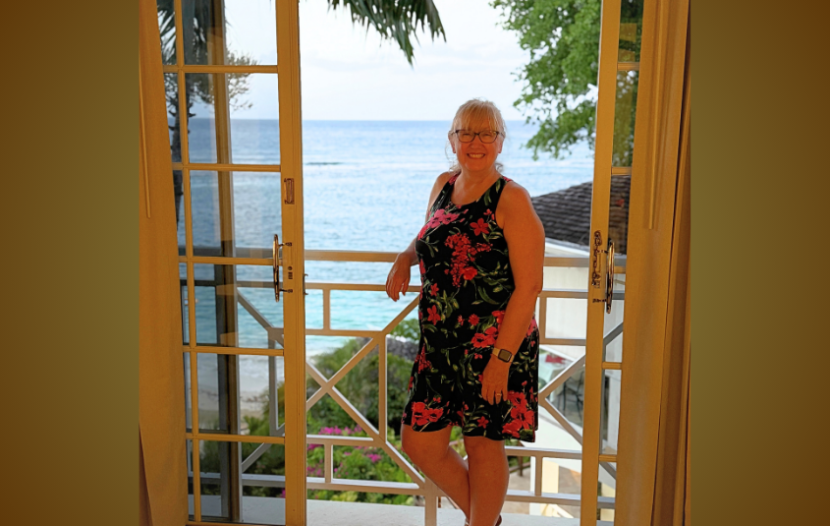
Lead image caption: Sue Hawkes at Sandals Royal Plantation, April 2025
