






TORONTO — Joelle Goldman is a big fan of the Discovery Call – that crucial first get-to-know-you connection between a travel advisor and their potential client.
Goldman, who is VP, Host Services & Luxury Hotel Programs for Direct Travel in North America, says a Discovery Call showcases the human expertise that online tools alone cannot provide — especially for complex needs like frequent last-minute changes or remote destinations. “AI will never get to know the client like the advisor knows the client,” she tells Travelweek.
“Trust is the primary value proposition,” she adds. “A Discovery Call is where that trust-building begins. It demonstrates advisors understand the clients concerns and can provide personalized solutions rather than generic options.”
And now, she says, “in hesitant times, clients need reassurance that someone understands their unique situation and can deliver personalized support, which is what a Discovery Call provides.”
Generally, best-practices including timing (15-30 minutes works well), and communicating expectations (let clients know that you follow a thoughtful process, and if you have fees, to ensure the best possible travel experience, says Goldman). Get a sense of what they’ve loved (or not) about past trips. Find out who the key decision-maker will be for the booking. That’s a big one, especially for big group bookings, since nothing slows the process more than a barrage of conflicting directives coming in from multiple people.
ON THE FRONT LINES
So what works on the front lines? And what doesn’t?
Travelweek reached out to four agency owners – one in Saskatchewan, two in Ontario and one in Nova Scotia – for their go-to tips for successful Discovery Calls.
Ashley Doell
Doell Travel
Warman, SK

Ashley Doell
DO’S: “The Discovery Call has become a huge time-saver for both my clients and me. The more they are educated, the less emails I need to send along the way. It’s a win/win. The biggest thing is letting the client do most of the talking. Our process starts with a detailed online questionnaire, followed by a one-on-one Discovery Call to discuss it. That first step naturally filters out most of the tire-kickers. The vast majority of my Discovery Calls turn into confirmed bookings.
“The Discovery Call is where you uncover the details an online form simply can’t capture. Often, the most valuable information is something the client doesn’t even realize is important. We always discuss budget at the end of the call, once we’ve established their priorities.”
DON’TS: “I avoid giving specific property recommendations during the call. If a resort comes to mind, I’ll make a note of it, but I explain that I’ll provide my recommendations after we move to the next step and the planning fee has been paid. Your expertise is valuable, and it’s important not to give away the work clients are hiring you to do. I also stick to controlling the process. Clients don’t send me meeting links or dictate my availability. We provide the scheduling options, send the meeting invitation and clearly communicate our office hours and process. Most clients are happy to work within those boundaries when expectations are clear from the outset. I also never make promises I can’t keep.”
Dan Colangelo
Travel with Kerry and Dan
Belleville, ON
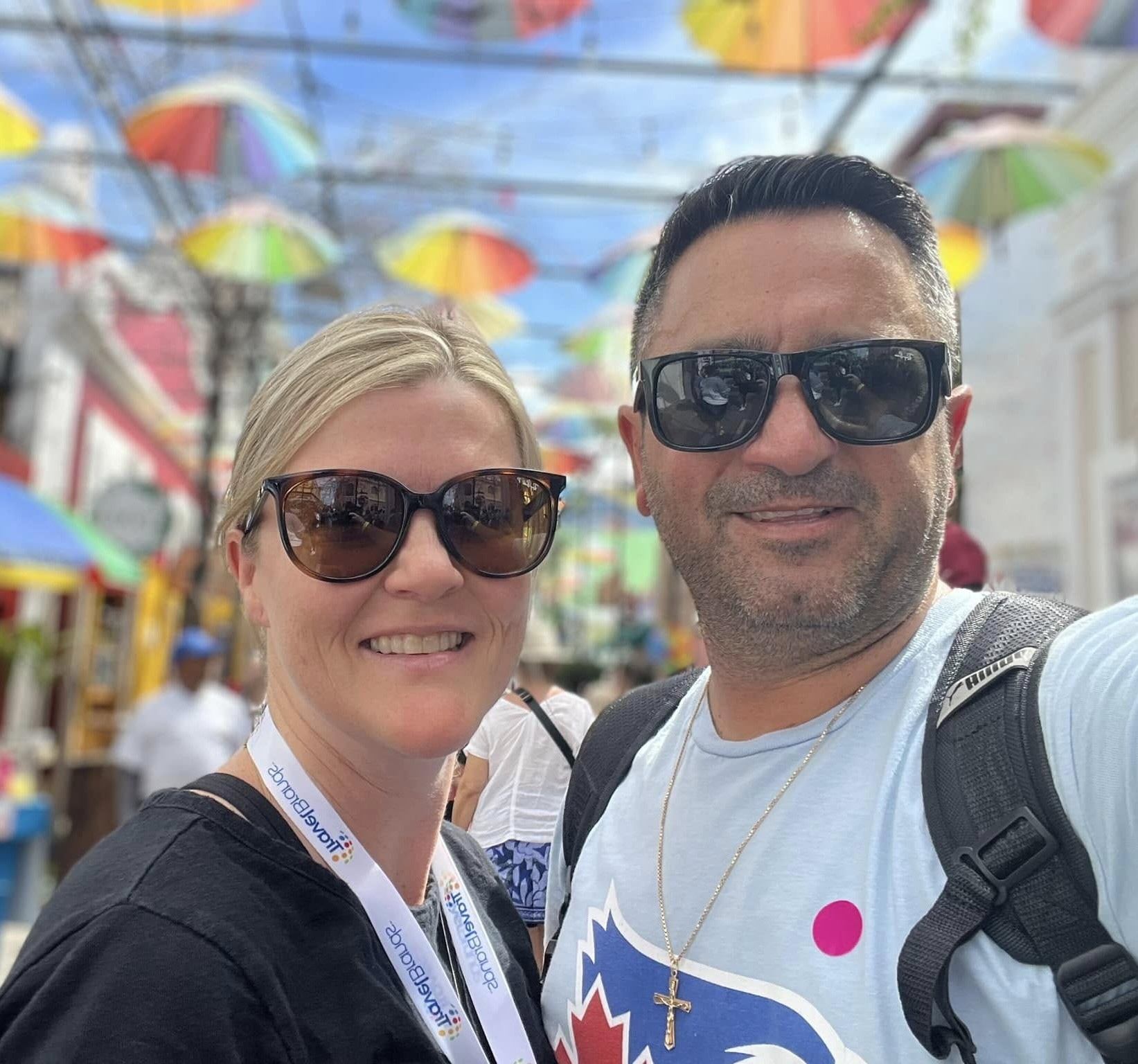
Dan and Kerry Colangelo
DO’S: “Many of my clients initially reach out through DMs and email and don’t necessarily want to talk on the phone. I’ve had to get creative about getting some of them onto a call, but in my experience, a call almost always converts into a sale. If both client and agent can’t commit at least 30 minutes to talking about your trip, we’re probably just wasting each other’s time. A Discovery Call allows me to really understand what the client is looking for and ask the questions that don’t get answered over email.
“I set expectations at the beginning. I explain that the purpose of the call is to get to know them and their trip before I start researching options. That helps shift the conversation away from simply asking, ‘What’s the cheapest option?’ and toward finding the right trip for them.”
DONT’S: “Never make it feel like a sales call. The client should be doing most of the talking. Our job is to listen, ask questions and really understand what they’re looking for. Make no promises about inclusions, prices or showing them that you have all the answers. Sometimes the best answer is, ‘Let me look into that and come back to you.’ I’d rather take the time to find the right options than try to win the client with the first price I can find.
“Don’t be afraid to recognize when you’re not the right advisor for the client. If someone is solely focused on finding the absolute lowest price, wants to travel somewhere outside your area of expertise or doesn’t see the value in what you provide, it’s better to recognize that early.”
Sheila Gallant-Halloran
Lush Life Travel
Ottawa, ON
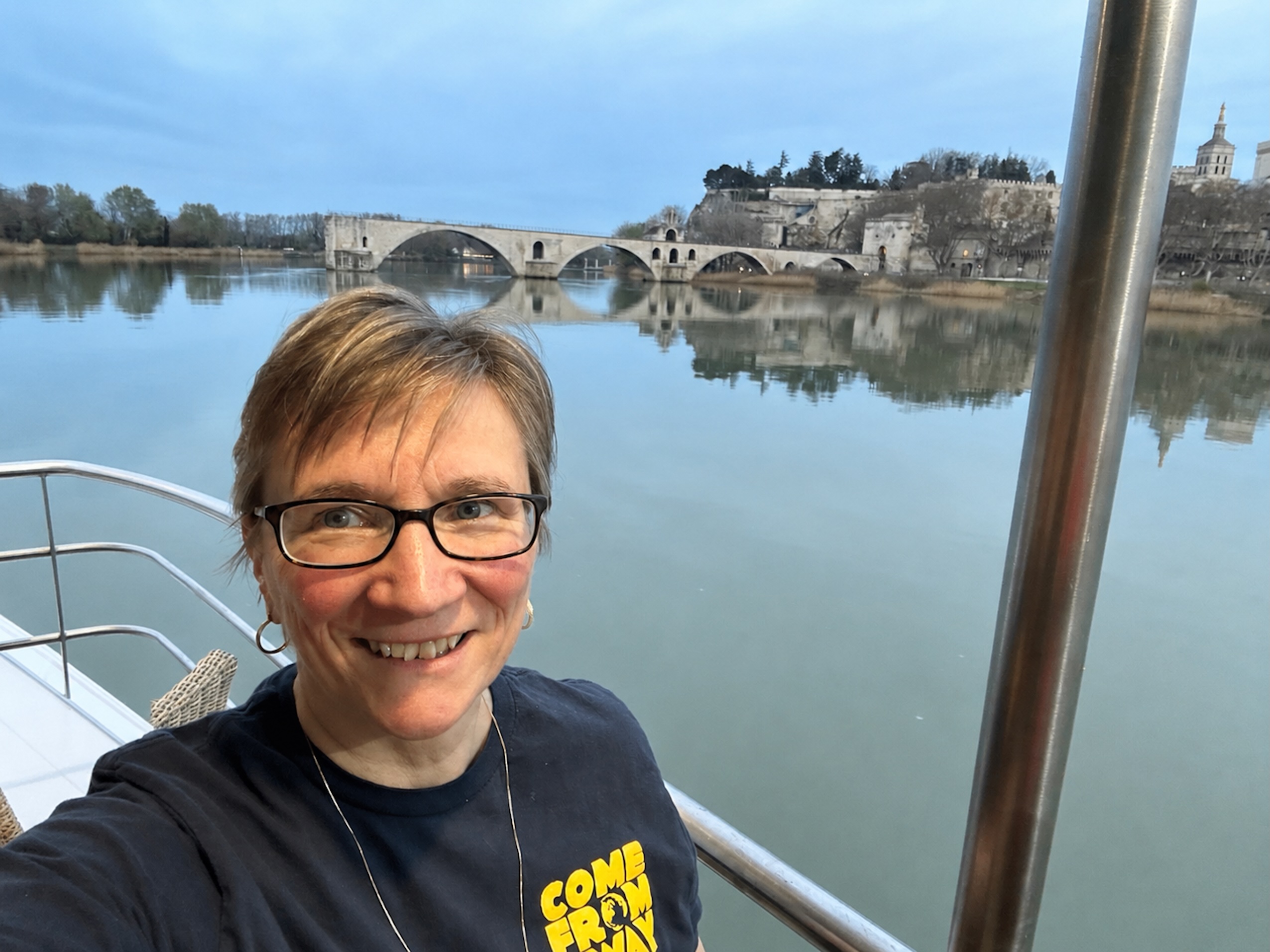
Sheila Gallant-Halloran
DO’S: “I do use Discovery Calls, but the real magic happens before the call. Every new prospective client first completes a fairly comprehensive questionnaire before we meet. Rather than simply asking where they want to go, it helps me understand why they want to travel. By the time we get on the phone, I already have a solid picture of who they are and whether I’m the right advisor for them. The Discovery Call itself is a complimentary 30-minute consultation. It’s really about determining whether we’re a good fit for one another. I explain my planning process, how I work, the value I bring and answer questions.”
DON’TS: “One thing I never do during a Discovery Call is begin designing an itinerary, providing detailed recommendations or conducting research before someone becomes a client. My expertise is my product. The consultation is about understanding the traveller and determining fit – not giving away hours of professional planning before an engagement exists.
“I’ve found this approach has dramatically improved both the client experience and my business. It attracts travellers who value expertise and a long-term advisory relationship, while naturally filtering out people who are simply collecting free information.”
Faith Sproule
Niche Travel Group
Dartmouth, NS
DO’S: “We try to spend more time listening than talking. Our goal is to understand why they’re travelling as much as to discover specific destinations or prices. These are some of the questions we ask: Tell me about your favourite trip you’ve ever taken – what made it so memorable? How do you spend your weekend? What type of traveller are you – relaxed, adventurous, cultural, foodie, active, luxury? What would make this trip feel like a success? Are there any destinations or travel styles you would never do again? What is your realistic budget, including flights?
“I also find it helpful to ask: ‘If this trip is everything you’re hoping for, what will you be telling your friends when you get home?’ That question often uncovers what’s truly important to the client.”
DON’TS: “We don’t start searching online while the client is talking. Be present and listen. We don’t immediately recommend a destination before understanding their travel style. We don’t overwhelm clients with too many options. We don’t focus on finding the cheapest price. We don’t interrupt when they’re telling stories about past trips – those stories usually reveal their preferences. We don’t promise availability or pricing until I’ve had time to research. We don’t try to ‘close the sale’ on the first call. My goal is to build trust and demonstrate value.”
