


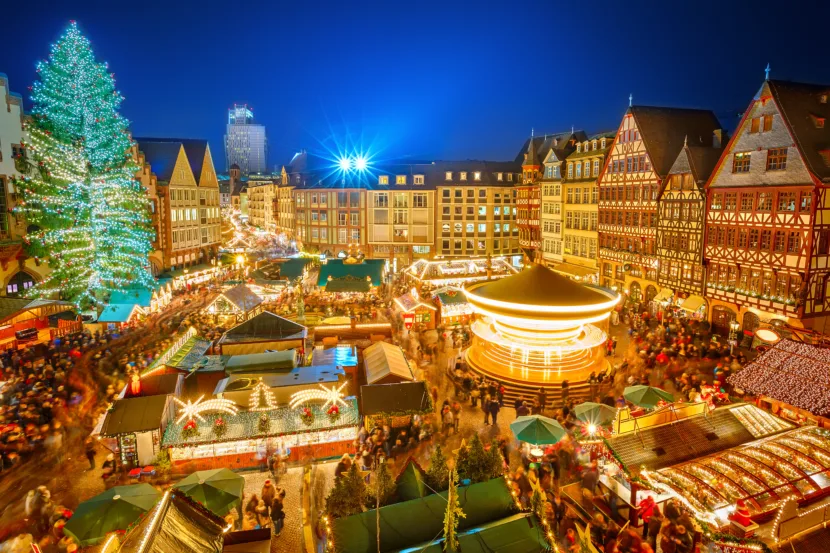
TORONTO — Few seasonal travel experiences capture the spirit of Europe quite like its Christmas markets. Historic squares fill with wooden chalets, twinkling lights, handcrafted gifts and the aromas of mulled wine, roasted nuts and regional specialties. For clients, they can be the centrepiece of a festive getaway or a memorable addition to a broader European itinerary.
The tradition stretches back centuries, rooted in winter markets where communities gathered to buy provisions and seasonal goods. Over time, these gatherings evolved into festive events. Strasbourg traces its Christkindelsmärik to 1570, while Dresden’s Striezelmarkt is celebrating its 592nd edition in 2026. Today, markets range from grand city-wide celebrations to intimate gatherings in medieval towns.

Christian Leibl-Cote, Executive Vice President of Global Sales at Collette
For Canadian travellers, the best choice depends on more than the market itself. Advisors should consider flight connections, how easily clients can move between markets, the appeal of the surrounding city and whether the client wants a classic, bustling experience or something more distinctive. Most markets run from mid-November to just before Christmas, though several extend into the New Year.
But as Christian Leibl-Cote, Executive Vice President of Global Sales at Collette, tells Travelweek, Christmas markets can also serve as the starting point for a more comprehensive European getaway, with regional experiences and excursions adding depth to the journey.
“The markets are a great reason to go, but they’re only one part of the experience. You might be taking a horse-drawn carriage ride in the Alps one day and learning about regional food or holiday traditions the next, so I always encourage advisors to look at what their client wants from the entire journey, including how active they want to be and how much time they want to spend experiencing each destination.”
THE CLASSICS: FAMILIAR AND EASY TO BUILD AROUND
Vienna, Austria
Vienna is an excellent fit for clients who want a polished festive city break with plenty beyond the markets. The main Rathausplatz market, running Nov. 13 to Dec. 26, 2026, features crafts, seasonal food, a skating area and family attractions. But Vienna’s real advantage is choice: markets at Schönbrunn Palace, Belvedere, Freyung and Spittelberg each offer a different atmosphere, from imperial grandeur to local crafts and organic food. The Schönbrunn market opens Nov. 6 and continues through Jan. 6, 2027. Vienna’s international airport and extensive public transit make it an ideal independent-travel option, with the markets easily incorporated into a wider city stay.
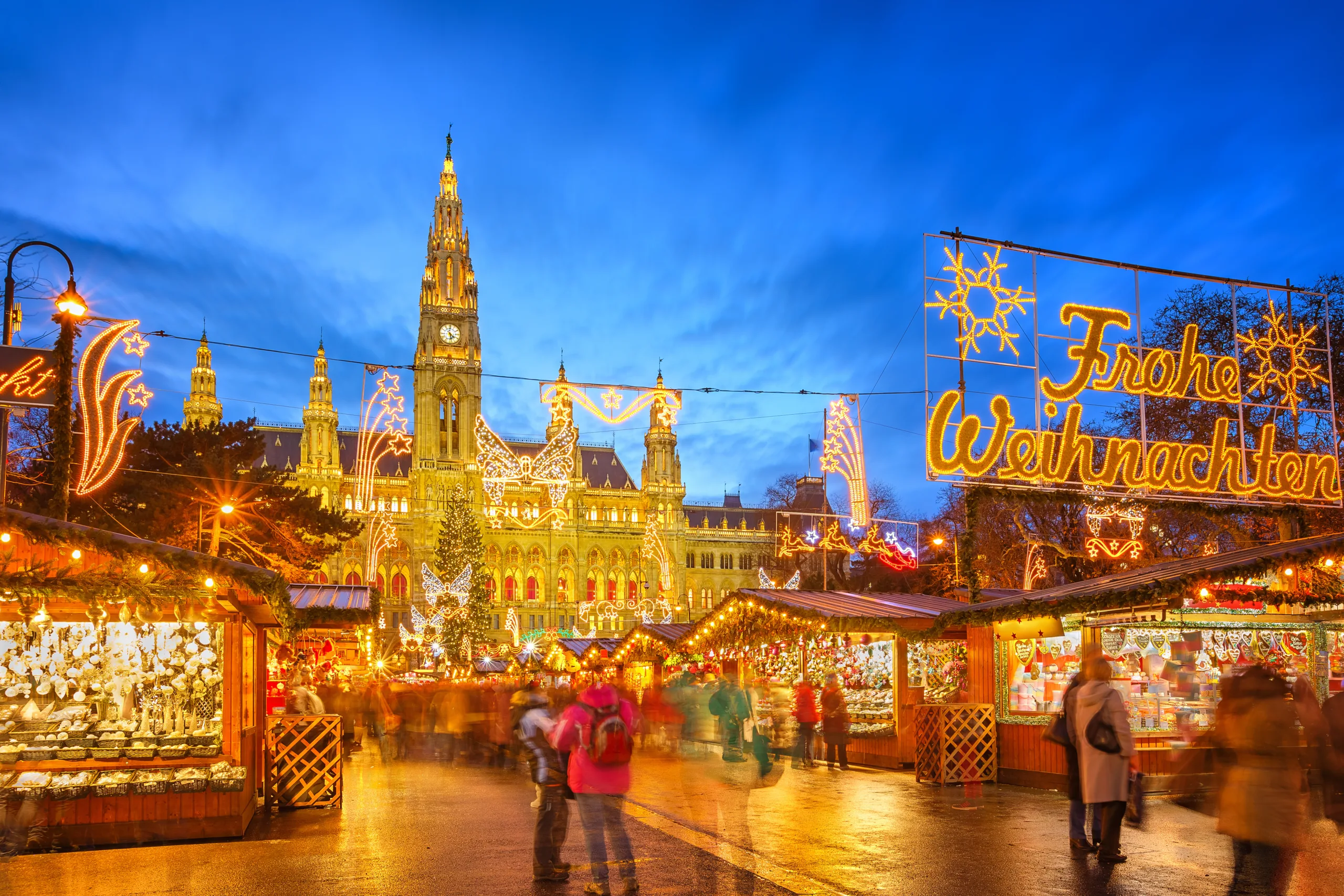
Christmas market in Vienna, Austria
Nuremberg, Germany
For clients seeking the quintessential German market, Nuremberg’s Christkindlesmarkt is a natural choice. Set in the Old Town’s Main Market Square, it runs Nov. 27 to Dec. 24, 2026, with approximately 180 red-and-white stalls selling handmade decorations, gifts and traditional treats. Nuremberg is particularly known for its Lebkuchen gingerbread and grilled sausages. The market was first mentioned in 1678, perfect for travellers drawn to history and tradition. Advisors can package it as a stand-alone city stay or combine it with other German markets by rail.
Strasbourg, France
Strasbourg’s market dates to 1570 and is among Europe’s oldest. The city’s Christmas season spreads across eight markets in its historic centre, with the grand tree at Place Kléber and stalls near the cathedral creating a postcard-perfect setting. Visitors can browse Alsatian crafts, decorations and regional specialties such as bredele Christmas biscuits. The 2026 market runs Nov. 27 to Dec. 24. Strasbourg is especially appealing for clients who want a market-focused trip with a distinctly French and Alsatian character. It is also convenient for a multi-stop itinerary: the train station is about a 10-minute walk from the market area, and Colmar is reachable by rail for another festive day trip.
Cologne, Germany
Cologne suits clients who enjoy a lively urban atmosphere and want several markets to explore. The best-known market is set beside the city’s magnificent cathedral, with a large decorated tree, artisan stalls, seasonal food and a stage program featuring more than 100 free events. It runs Nov. 16 to Dec. 23, 2026. Other options include the “Heinzel’s Winter Fairytale” market in the Old Town, with its own extended run at Heumarkt through Jan. 10, 2027. Cologne is well connected by rail and works well as a base for exploring the Rhine region or combining with other German cities.
FOR REPEAT VISITORS: A DIFFERENT EXPERIENCE
For clients who have already experienced Europe’s best-known Christmas markets, smaller cities and towns can offer a fresh perspective. Leibl-Cote recommends starting with what travellers enjoyed about their previous trip and what they hope to discover next.
“For someone who has already been to the major Christmas markets, I’d ask what they loved about that experience and what they want to do differently this time. There are so many smaller cities and towns where you still get that incredible holiday atmosphere, but you’re also discovering local traditions, food and communities you may not have experienced before. That’s where a strong advisor can really add value.”
Basel, Switzerland
Basel is a strong recommendation for clients who have already experienced the better-known German markets and want a Swiss twist. The market is spread across Barfüsserplatz and Münsterplatz, where the cathedral and historic Old Town lend a more intimate, elegant backdrop. Stalls offer handmade gifts, regional food and warming drinks. The 2026 market runs Nov. 26 to Dec. 23. Basel is also well suited to a rail itinerary, with connections to France and Germany, making it a practical option for travellers keen to visit more than one country on the same trip.
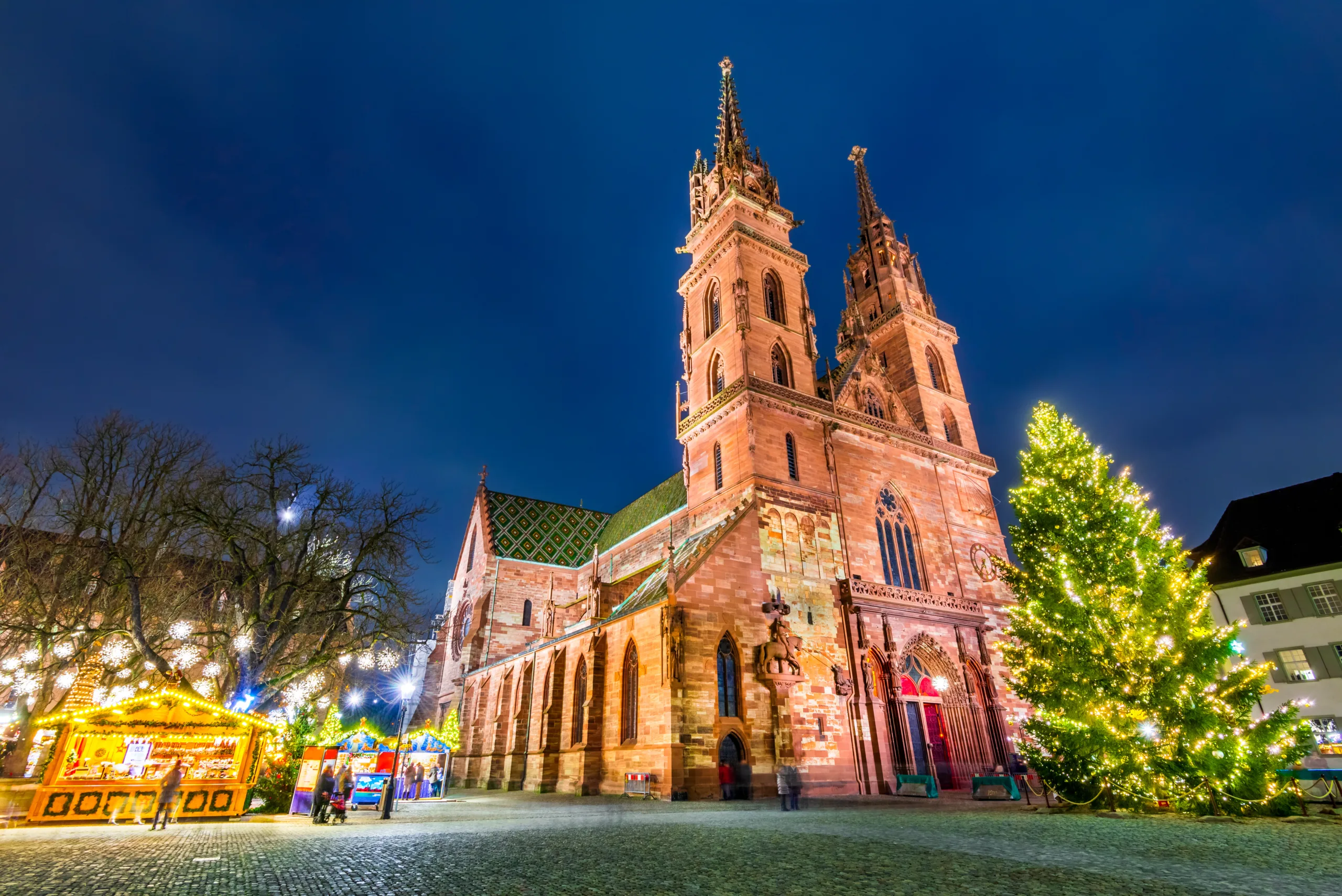
Christmas market in Basel, Switzerland
Ljubljana, Slovenia
Ljubljana offers a more compact and less overwhelming festive experience. Its Christmas markets fill the historic centre along the river and in squares including Prešernov trg and Kongresni trg, with the castle providing a scenic backdrop. The 2026 season runs Nov. 27 to Jan. 3, 2027. Visitors can browse Slovenian crafts and designer goods, enjoy mulled wine, sausages and local dishes such as jota stew, and take in free family-friendly events and concerts. The city is ideal for clients who prefer a walkable destination and can be combined with a wider Slovenia itinerary.
Tallinn, Estonia
For travellers seeking something distinct from Central Europe’s familiar markets, Tallinn is a compelling option. Its market occupies Town Hall Square in the heart of the medieval Old Town, centred around a Christmas tree and stalls featuring local crafts, Estonian design, woollen accessories and seasonal food. The 2026 market is scheduled for Nov. 20 to Jan. 6, 2027, giving it one of the longer festive runs. The setting and northern European atmosphere make it particularly attractive to repeat visitors, couples and clients interested in pairing Christmas-market travel with a Baltic city break.
Budapest, Hungary
Budapest’s Vörösmarty Classic Xmas market is a good fit for clients looking to extend a festive trip beyond Christmas Day. Located on Vörösmarty Square, it combines traditional market stalls with food, gifts and seasonal activities. The 2026 market opens Nov. 13 and continues to the dawn of the New Year, while craft exhibitors and the small railway attraction are scheduled through Dec. 28. Budapest’s architecture, thermal baths and dining scene add plenty of value beyond the market itself, making it a strong city-break choice for clients who want both festive atmosphere and sightseeing.
Lead image caption: Christmas market in Frankfurt, Germany
