





The next chapter of Costa Rican tourism is unfolding at night. From Blue Zone breathwork under the stars to wetlands that mirror constellations on water, the world’s eco-conscious icon is turning the night into its newest natural resource. This isn’t just about stargazing. It’s about biodiverse nightscapes, water-reflection astronomy, indigenous traditions, and wellness experiences shaped by the hours after dusk.
Travelers today want trips that are sustainable, authentic, restorative, and genuinely transformative. For those especially drawn to the unfamiliar yet eager moments that feel truly once-in-a-lifetime, the list below is especially compelling.
Blue Zone Nights in Nicoya: Cosmic Rhythm and Longevity In the Nicoya Peninsula, one of the world’s few Blue Zones, night has long been part of daily healing. Older generations talk about “resting with the moon,” a rhythm that links starlight, sleep, and slow living to long life. Some local practitioners are beginning to offer evening meditations and nature-led sessions that help travelers reset their internal clocks under the region’s dark, clear skies, including sunset breathwork and occasional full-moon circles.
Wetland Stargazing in Caño Negro: Stars on Water Caño Negro in the Northern Plains is one of the few places where stars reflect on water. After sunset, the wetlands fall into complete darkness, turning the basin into a natural mirror that doubles the sky. The refuge comes alive at this hour, with night birds calling and frogs rising into a full chorus. Caño Negro is a RAMSAR site, a globally protected wetland recognized for its ecological importance. Travelers who want a closer look sometimes join calm, guide-led night walks along the forest edge, where nocturnal species begin to move through the wetlands, possible to observe without impacting the environment.
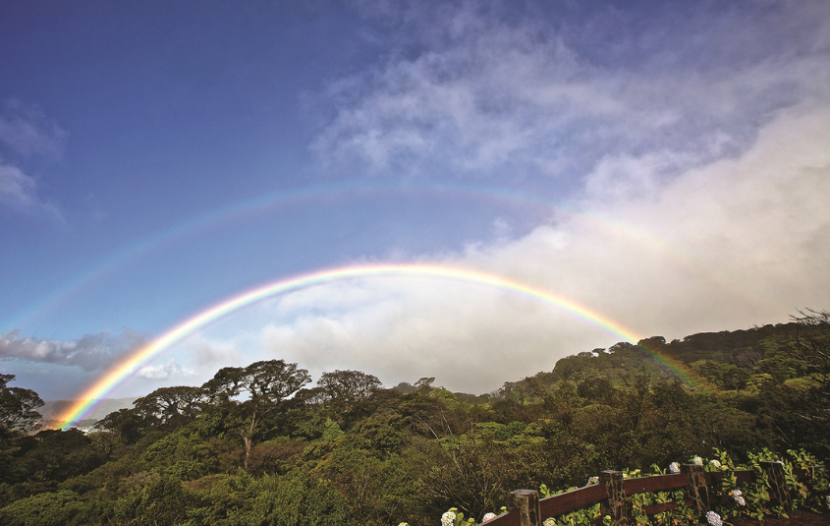
Cloud Forest Night Hikes in Monteverde: Monteverde’s cloud forest feels completely different at night. As the fog lifts, the sky opens for quick flashes of stars and the forest comes alive. Nearly 80% of its wildlife is active after dark, so you hear owls and insects while tiny firefly lights drift through the trees. On some nights, the moon makes the mist glow, creating a quiet “ghost forest” effect. Locals call those brief clearing moments the ‘fog arching phenomenon’. It’s part stargazing, part nocturnal forest bathing, and it all feels transcendent.
Separately, the Irazú Volcano region is also emerging as a favorite for night sky viewing, with guided astronomy experiences at high elevation attracting both professional and amateur stargazers drawn to the area’s colder climate and clear skies. If any of the above sparks your interest, I’d be happy to tailor the coverage angle for your needs or share more details on the mentioned regions.
