





JIANGSU — Travelling through an unknown part of China, I realized this trip was going to be quite different from the usual bustling itinerary of iconic cities like Beijing, Shanghai and Hong Kong.
Jiangsu, a dynamic and culturally rich province on China’s eastern coast, at the heart of the famed Yangtze River, is a place where life is slower-paced and the experience focuses on exploring a diverse landscape steeped in history, connecting with locals, savouring regional cuisine, and cherishing every moment in between.
The goal wasn’t just to hit the highlights. It was to experience the emerging destination the way travellers would – through local guides and unique encounters.
Adventure awaits in Jiangsu, and the rhythm is gentler.
A CONNECTION OF PARTNERSHIPS
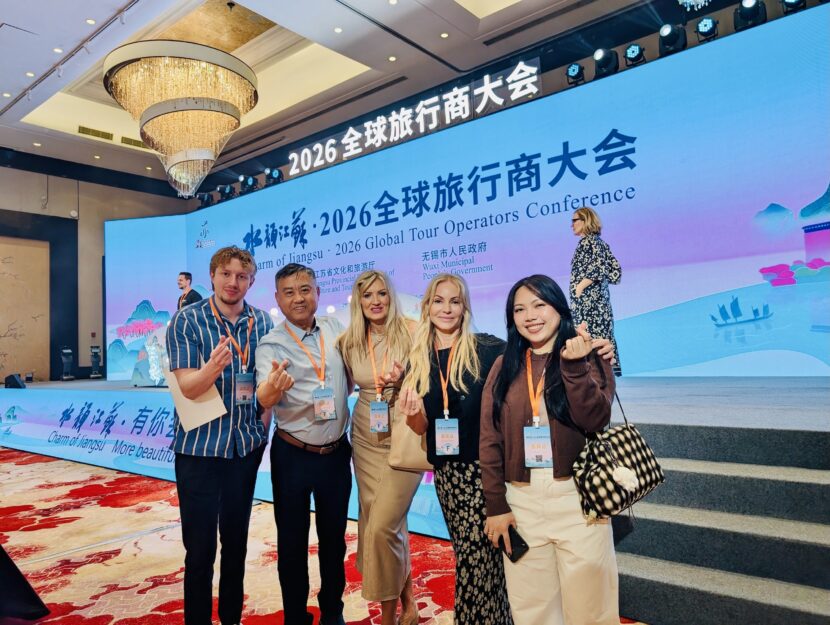
The itinerary kicked off with a conference day in Wuxi, sponsored by the Jiangsu province and its partners. The event was attended by 400 participants from around the globe for the Jiangsu Global Tour Operator Conference 2026 – a first initiative since before the pandemic.
The mission? To promote and enhance inbound tourism by collaborating with international partners, making Jiangsu a must-visit destination for travellers to China.
No doubt, the future is looking bright as traveller preferences evolve and more people lean toward avoiding crowds and rushed itineraries.
According to GlobalData, China continues to solidify its status as one of the world’s most significant travel source markets with increases in both domestic and outbound travel fuelling this growth.
Rather than building firewalls, China is unequivocally rolling out the welcome mat, as visa-free entry has sparked a surge in international travellers, including Canadians, for up to 30-day visits.
With overall arrivals to China in 2025 up 26% from 2024, Jiangsu has seen its share of global popularity rise for four consecutive years, as noted by keynote speaker Kimi Liu, CEO, Tripadvisor China.
Driving Jiangsu’s inbound appeal are six top cities, along with historical and garden-style attractions, with Suzhou and Nanjing leading the way.
Also compelling is that the province is home to four UNESCO World Heritage sites, including three cultural sites and one natural site.
In speaking with Brian Tan from TripToGo, based in Toronto, he believes that China is becoming increasingly significant on the global stage as an attractive destination for travellers, especially for Canadians.
“Already in the first quarter of this year, our company has tripled its numbers compared to all of 2025, and we anticipate that figure will grow tenfold by the end of this year,” Tan stated.
When asked what the province brings to the bigger picture, Tan responded, “Jiangsu has an ideal location and has always been one of the richest provinces in China for many dynasties and even today. The combination of history, modern infrastructure, nature and great value all make for an appealing travel choice for Canadians and travellers alike.”
AUTHENTIC HIGHLIGHTS: EXCLUSIVELY IN JIANGSU
Following the conference, participants travelled comfortably by coach to experience one of three carefully curated itineraries over the next several days.
My itinerary? A combination of visits to the enchanting cities of Suzhou, Nantong, Yancheng and Lianyungang, following the Silk Road from sea to mountain ranges, covering a distance of over 400 scenic kilometres.
Jiangsu Province, touted as the Land of Fish and Rice and the Capital of Silk, comprises 13 cities, each showcasing a distinct blend of natural beauty and cultural heritage.
It’s spring, and although we’ve just missed the cherry blossoms, the landscapes are lush with vibrant flowers and trees – a stark contrast to what I’ve left behind.
Nature was on full display as we visited the popular Liyuan Gardens before travelling to the Three Kingdoms City – a television base and renowned theme park that resembles a Chinese version of Disneyland.
Here, we were captivated by a live jousting match, featuring authentically costumed stunt performers on horseback as they brought their story to life.
Our next stop was Zhouzhuang, which instantly became one of my personal favourites.
Located in Suzhou, this 900-year-old water town is glowingly dubbed the ‘Venice of the East’ – with good reason. Known for its classic dynasty architecture, canals and stone bridges – notably the Double Bridge – the area is abuzz with classic boat rides, traditional tea houses and a lively, colourful market filled with local crafts and silks.
-
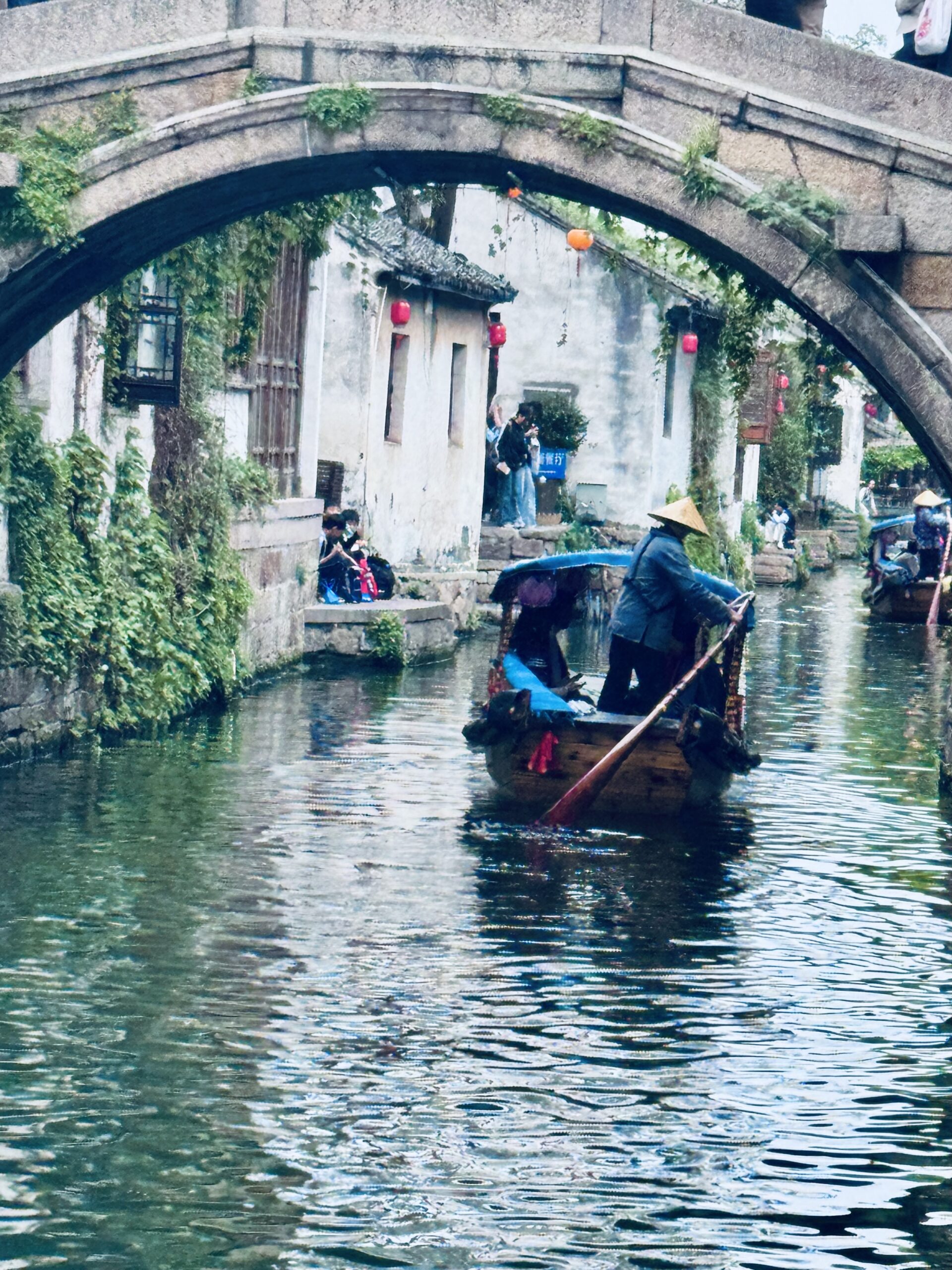
- Zhouzhuang, the 900-year old water town known as the ‘Venice of the East’
-
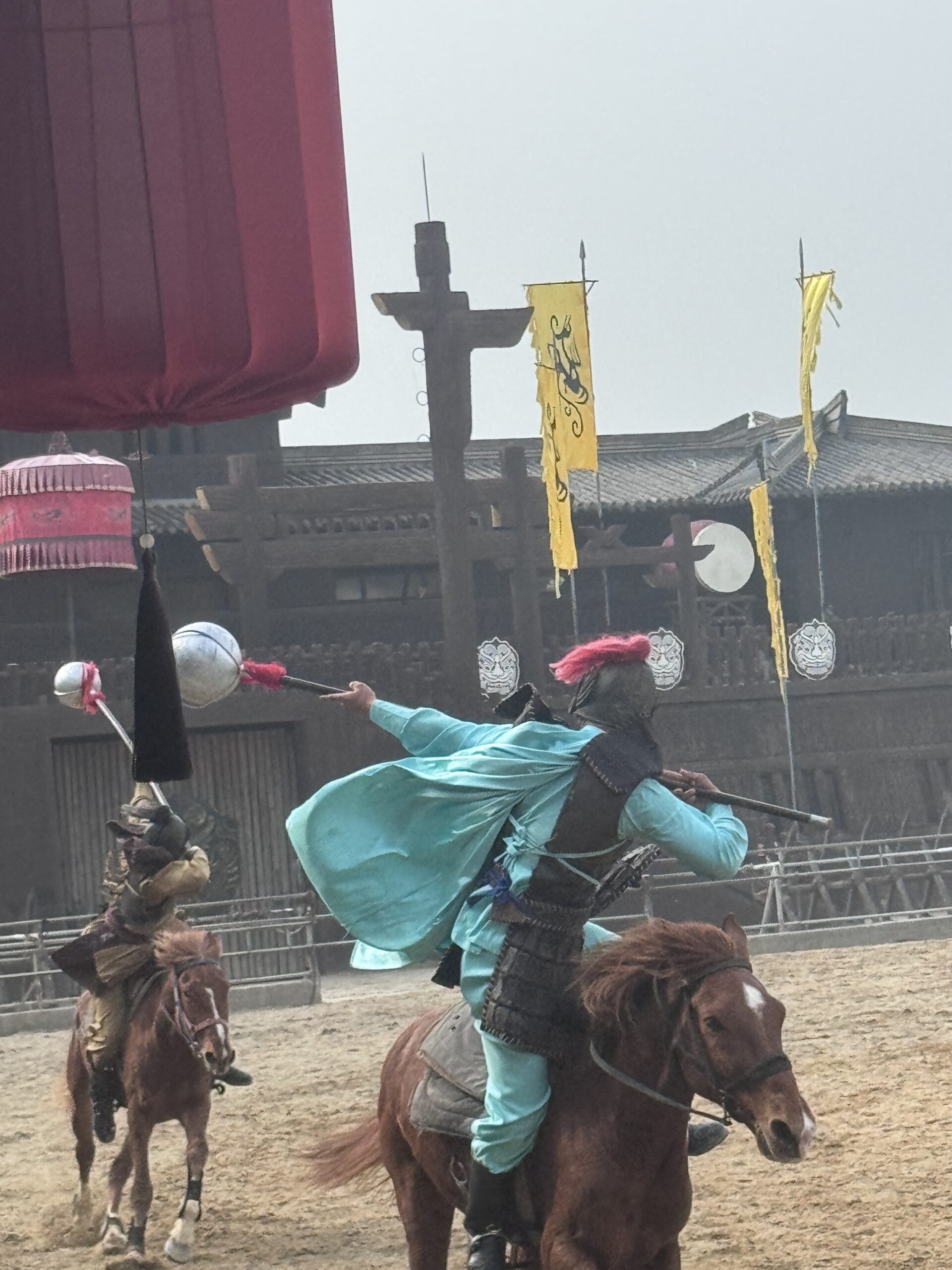
- A live jousting match at Three Kingdoms City in Wuxi, Jiangsu
Meandering around, you would be hard-pressed to take a bad photo here – everywhere you turn presents an Instagrammable moment.
Each day forward brought a fresh slice of Jiangsu as we wandered the Lingering Garden, one of China’s four most famous gardens, and experienced first-hand the 1300-year-old folk craft of blue calico-making in Nantong.
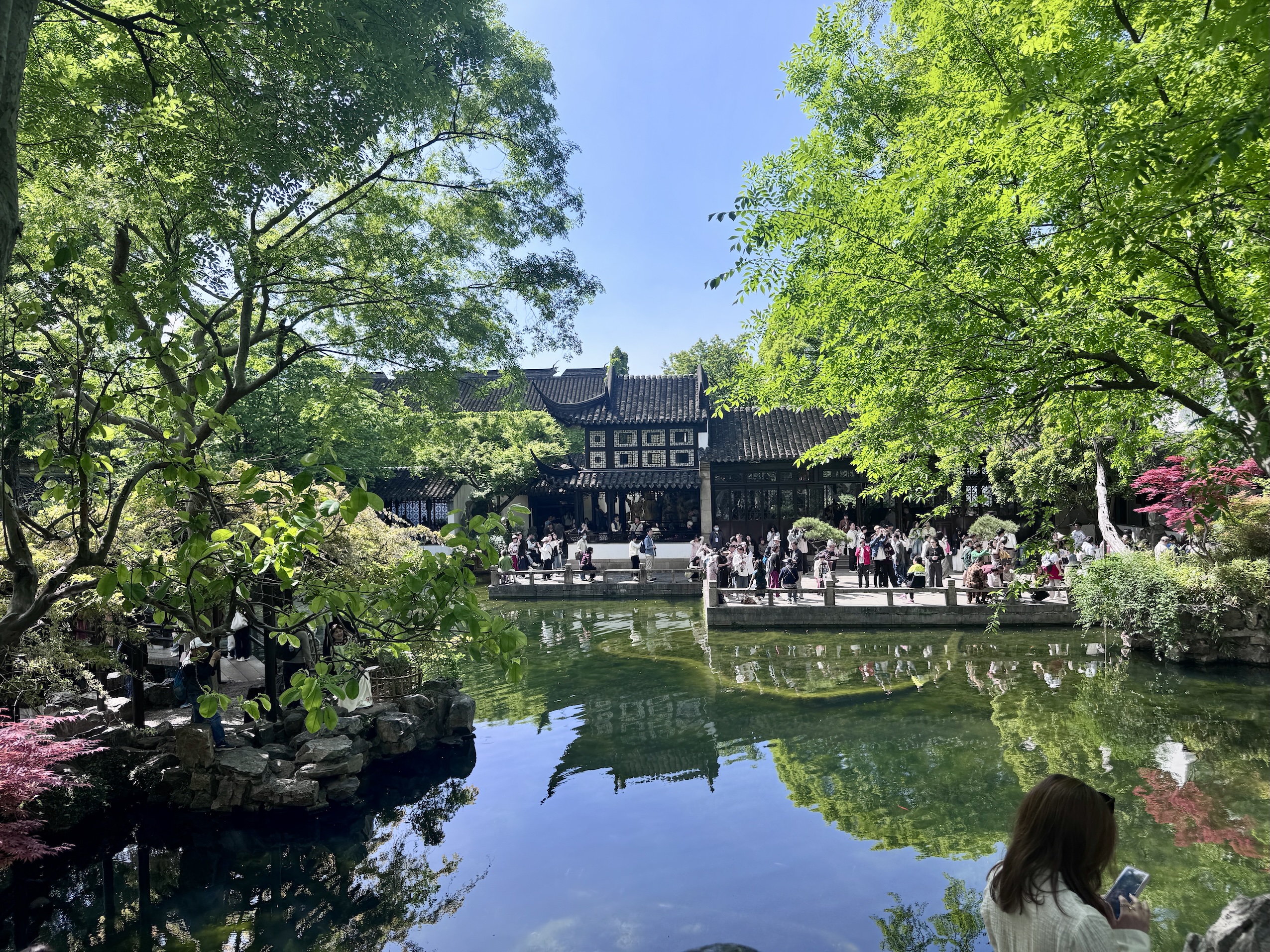
The perfectly-named Lingering Garden in Suzhou, Jiangsu dates back to 1593
If that wasn’t enough, the visit to Dongtai captured our hearts.
The largest elk park in the world is located in Yancheng, where fully antlered elk ventured toward our vehicles unabashedly for some crunchy carrot stick snacks.
Our final leg brought us to Lianyungang, a coastal city in Jiangsu Province, renowned as a major seaport and famously associated with the mythical Monkey King from the Chinese classic novel Journey to the West.
A performing troupe awaited us at the peak of Huaguo Mountain Scenic Area. We enjoyed an outdoor performance that was not only entertaining to watch but also to participate in, which made it even more fun.
Not only that, but during our visit to the mountain area, we encountered numerous monkeys that came out to greet us and were as curious about us as we were about them.
EASY ACCESS
Getting to Jiangsu is becoming increasingly convenient, with nine airports serving the province and providing convenient air access. Canadians can access long-haul flights from Toronto and Vancouver and can connect onward.
Alternatively, for travel logistics, nothing beats Jiangsu’s high-speed rail network, which is fast, efficient and well-connected.
The Nanjingnan-Taicang high-speed railway links Shanghai with Nanjing via key cities such as Wuxi and Suzhou, with a one-hour commute.
-
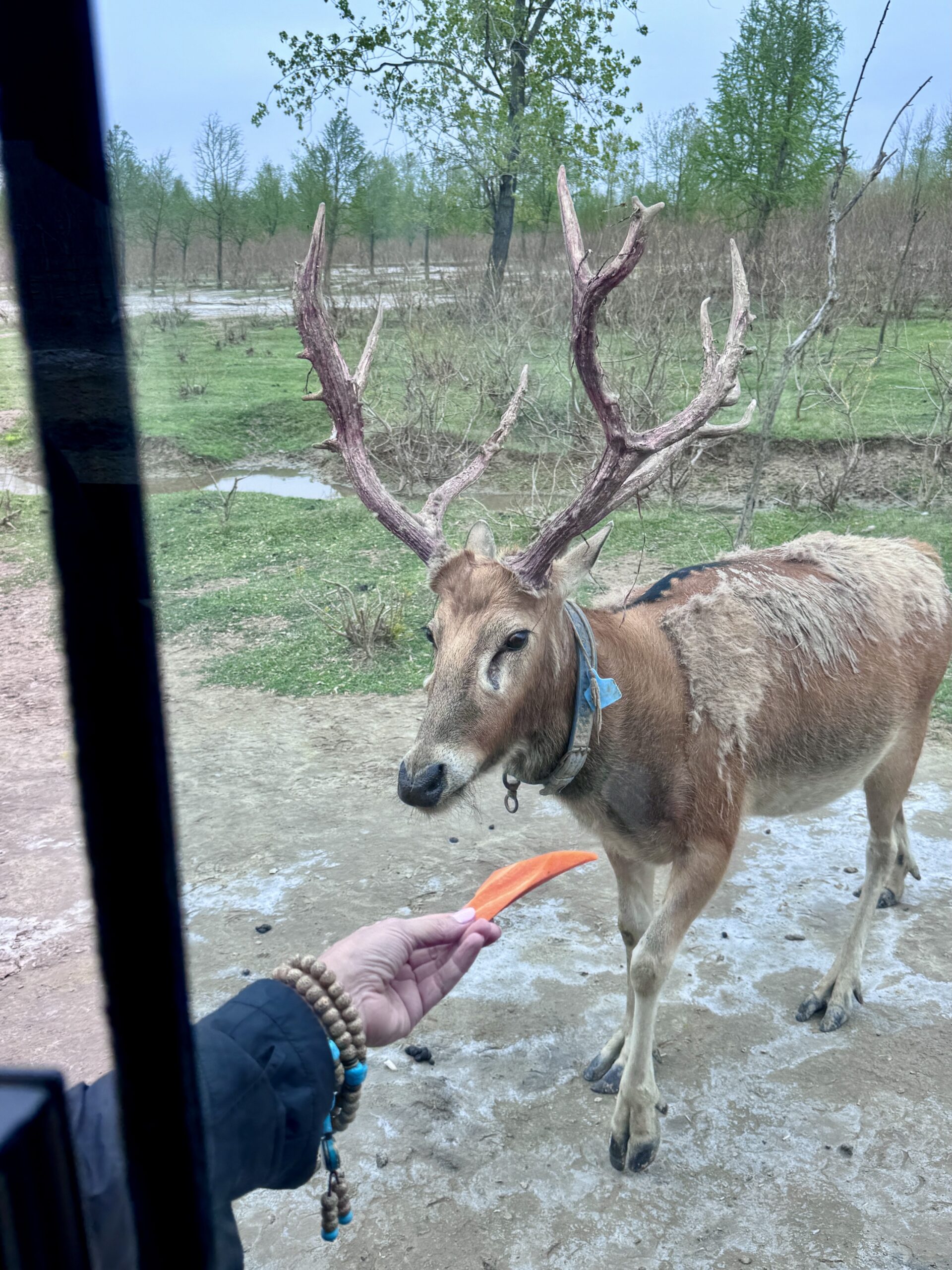
- The visit to Dongtai in Yancheng captured more than a few hearts
TAKEAWAY FOR TRAVEL ADVISORS
By the end of the trip, it became clear that this destination offers much more than a well-planned itinerary. For travel professionals, the opportunity lies in showing clients with wandering eyes a different side of China.
Safety, a compelling value proposition, and a diverse range of experiences are all reasons to visit Jiangsu – especially for Canadians willing to try new destinations.
According to Tan, “if there was ever a time to have Jiangsu on the radar, it’s now.”
As I embarked on this journey with my own expectations, I found myself transformed through various experiences – from walking among the tall trees in Huanghai National Forest Park to stepping back in my youth on a beachfront playground park in Liando, to connecting with locals and sharing many meals with new friends.
The slower pace suited me, and the unexpected moments had a profound way of creating that change.
For further information visit tourismchina-ca.com.
Lead image caption: Canadians including Travelweek’s Annie Cicvaric (second from right) were among the 400+ attendees at Jiangsu Global Tour Operators Conference 2026, aimed at making Jiangsu a must-visit destination for travellers to China (all photos courtesy Annie Cicvaric)
