





SAMANA, D.R. — Laying on a mat beneath a giant thatched-roof palapa, the sounds of chimes, gongs, rain sticks and Tibetan singing bowls create a tapestry of sound and vibration designed to calm the nervous system.
This is a sound healing experience at Yubarta, a holistic wellness centre at the Cayo Levantado Resort in the Dominican Republic’s province of Samaná. Time blurs as participants drift into a floaty, dream-like state, and even initial skeptics finish the experience feeling lighter and more grounded.
It’s just one of several activities designed for personal growth and discovery at Yubarta, which has its own cenote and healing crystal cave. Daily activities include yoga, meditation, breathwork, sound healing, Tai Chi and mindful rituals.
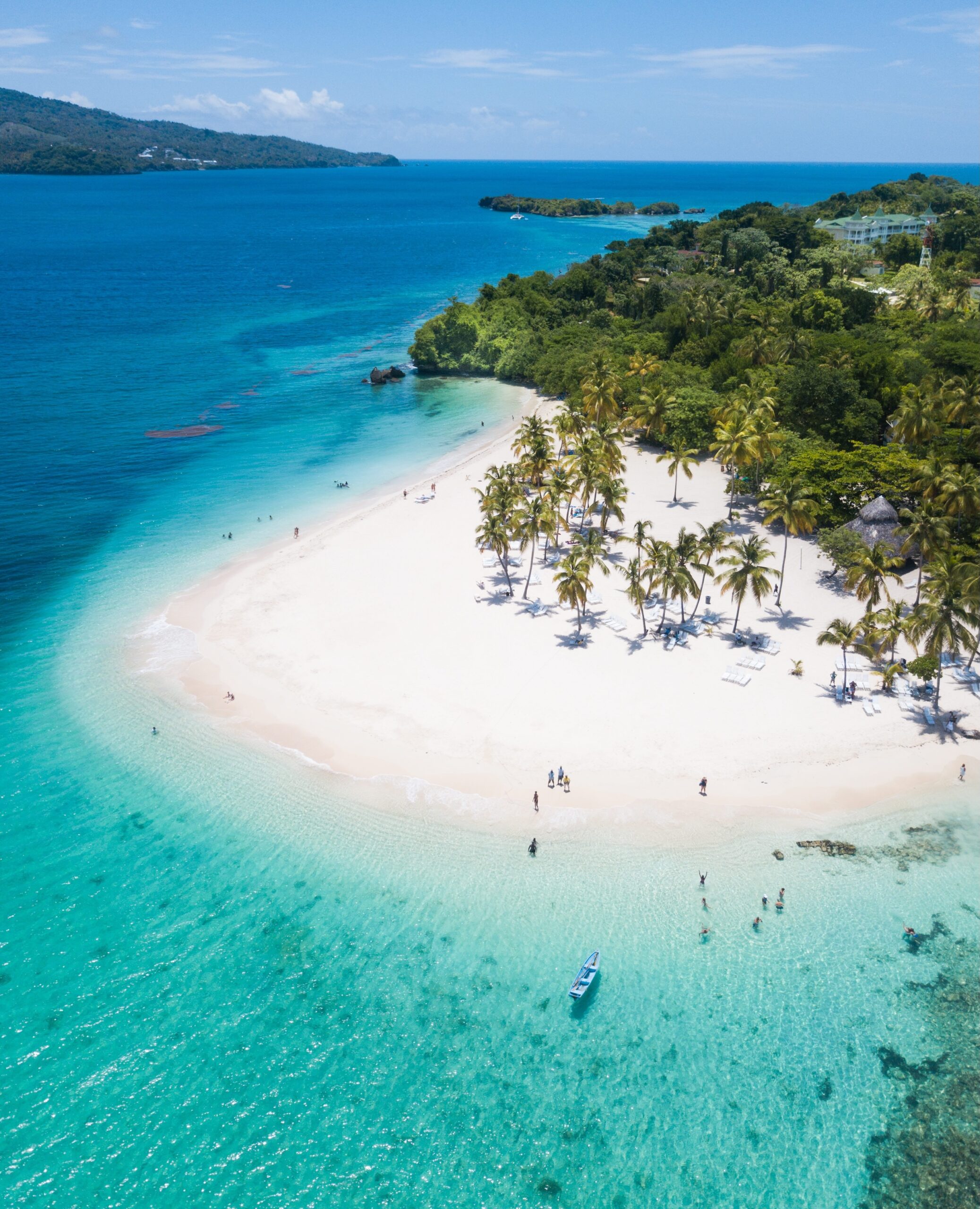
Cayo Levantado (photo courtesy Dominican Republic Ministry of Tourism)
SPLENDID ISOLATION ON ‘BACARDI ISLAND’
As Samaná’s first luxury all-inclusive wellness property, Cayo Levantado is located on a private island — known as ‘Bacardi Island’ for a Bacardi rum commercial shot here in the 1970s — and accessible only by boat.
The secluded property offers sustainable luxury and holistic wellness, but it also promotes environmental conservation — which isn’t surprising for this region.
Far from the party vibes and crowds of Punta Cana, Samaná — on the northeastern coast of the DR — is one of the Caribbean’s most biodiverse destinations, with lush, rolling hills, unspoiled beaches and protected ecosystems.
LIFT FROM CANADA
While Punta Cana has more of a Miami Beach vibe, Samaná is the country’s eco-tourism destination, says Katherine Ventura, international PR manager for the Tourism Ministry of the Dominican Republic, who spoke to Travelweek.
For example, from January through March, Samaná Bay becomes an important breeding ground for some 2,400 humpback whales within the 25,000-square kilometre Marine Mammal Sanctuary of the Dominican Republic (MMSDR).
“For Canadians, it’s [now] easier to get here,” says Ventura, with direct flights from Montreal and Toronto via Air Transat, Air Canada and WestJet to Samaná’s El Catey International Airport. Summer isn’t considered the ‘low’ season here. It’s still a popular time for visitors, with brief rainfall and trade winds that keep the temperature comfortable.
TREE HOUSE ACCOMMODATION
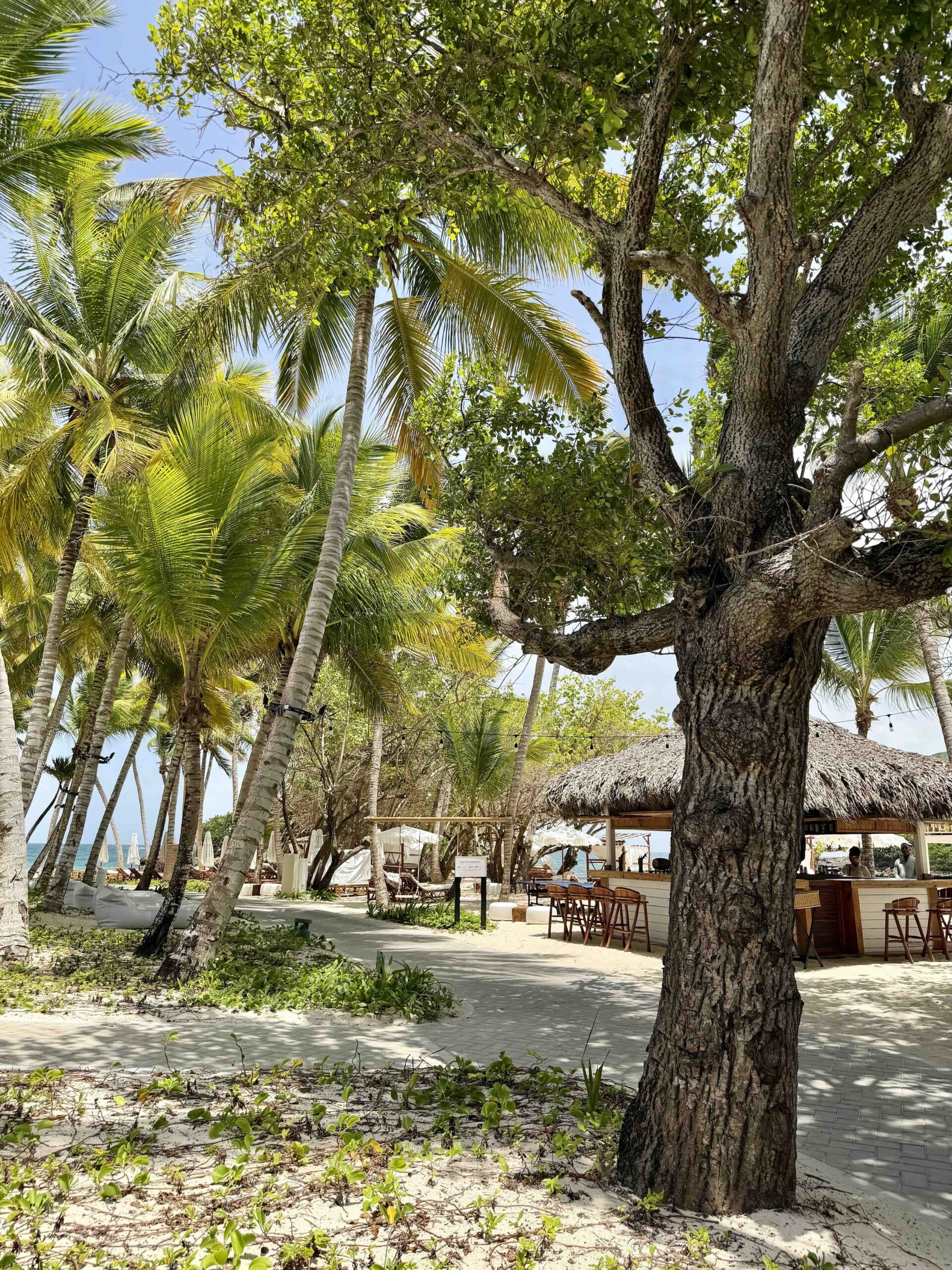
The beach at Cayo Levantado Resort (photo credit Vawn Himmelsbach)
There are a range of eco-friendly accommodations here, like the Dominican Tree House Village (where tree houses are connected by jungle paths and rope bridges to immerse guests in nature), to all-inclusive resorts like the Viva V Samana by Wyndham, an adults-only all-inclusive resort on the palm-fringed Coson Beach with wellness activities such as yoga classes, bachata lessons and paddleboarding.
While the area’s offerings are expanding — and a cruise terminal is set to open this fall, according to Ventura — the idea here is to get off the resort. Even if your resort happens to have a lovely beach.
Samaná is sprinkled with ‘hidden’ beaches that offer uncrowded, unspoiled alternatives to many other Caribbean resort areas. Some beaches are only accessible by boat, a jungle hike or an adventurous ATV ride.
Playa Rincon, with five kilometres of undeveloped white sand beach, was voted one of the top 10 beaches in the world by Condé Nast Traveler, while Playa Fronton, backed by dramatic limestone cliffs and coconut palms, is only accessible by boat (or a challenging hike).
Worth noting is that sargassum seaweed can be found on some of the beaches, but typically only in the summer months.
Los Haitises National Park stretches across 800 square kilometres of protected land and sea, where visitors can explore the area’s limestone karsts that tower from mangrove estuaries by boat or kayak. There are also hidden caves here with ancient Taino petroglyphs. Boat tours run from the public marina in Santa Bárbara de Samaná (the capital of Samaná Province) or from the private Marina Puerto Bahía located at The Bannister Hotel & Yacht Club.
JUNGLE HIKES & GREAT COFFEE
On land, visitors can hike (or ride a horse) through lush jungle to El Salto del Limón and cool off in an emerald pool beneath a 52-metre waterfall. Small group tours to the waterfall can be booked through family-owned Parada la Manzana, which also offers authentic Dominican meals with locally sourced ingredients at its al fresco restaurant.
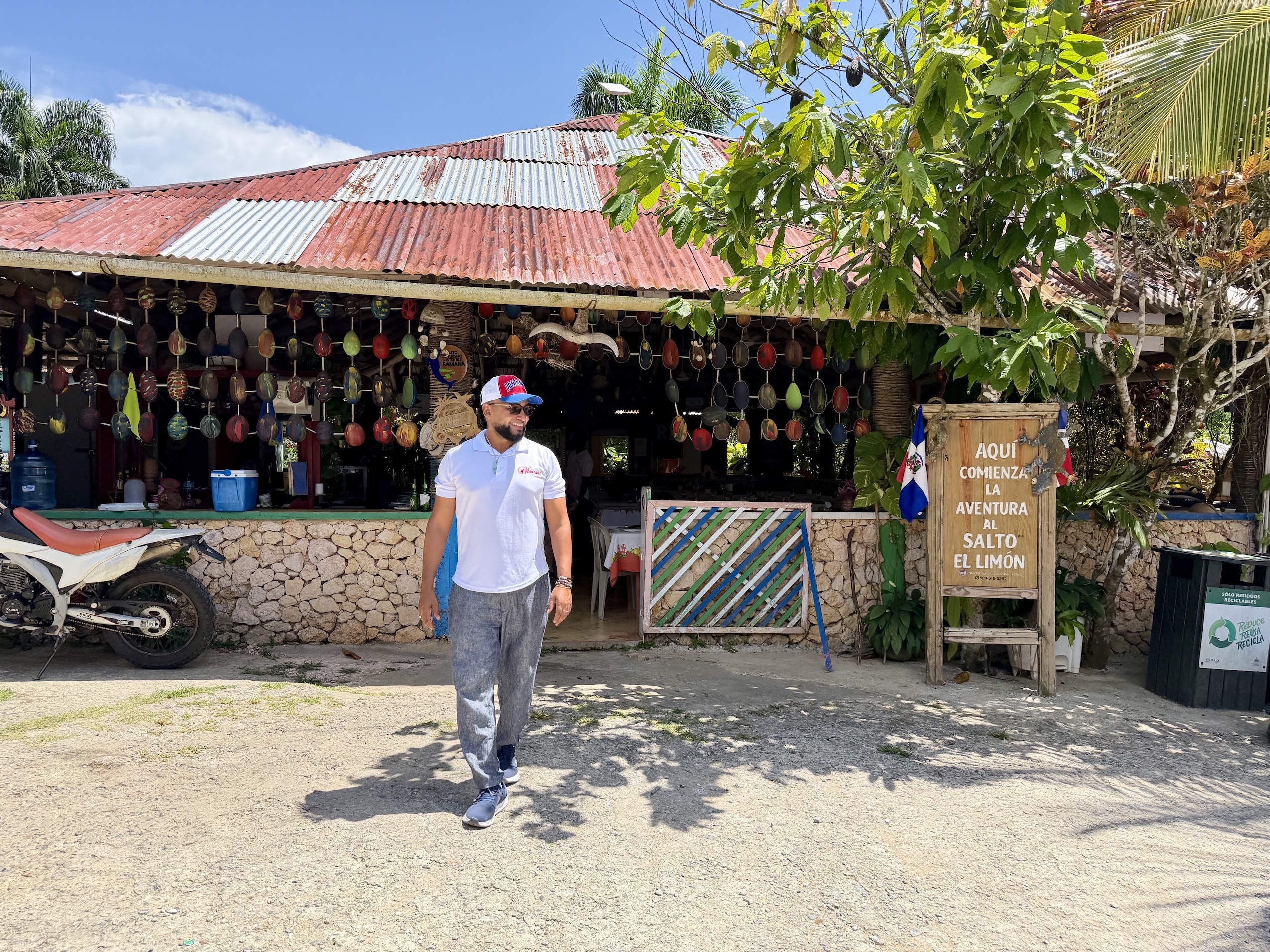
Parada la Manzana (photo credit Vawn Himmelsbach)
Visitors can also head into the rolling green hills for a tour of La Fábrica Samaná — a family-owned ecological farm, factory and roastery producing local shade-grown coffee and cacao. Shade-grown coffee supports greater biodiversity and helps to diversify farmers’ income (and makes a great cup of coffee).
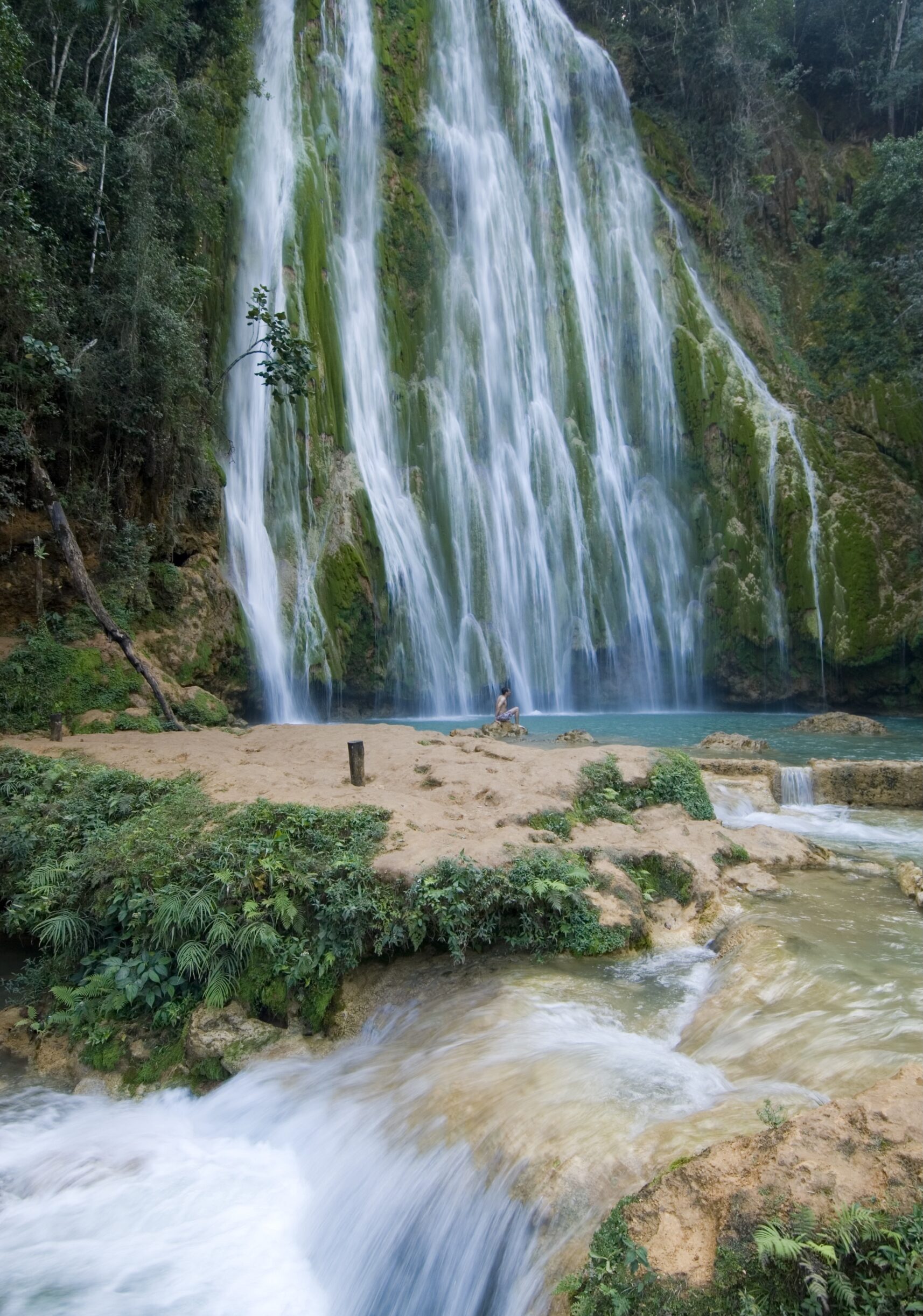
Salto el Limon, Samana.
“Whether it’s a cup of coffee or a box of chocolates, the whole process is an amazing showcase for how nature translates into finished products,” says Héctor Lazcano, who runs the farm with Shauna Sutherland. “As well as being a fully functioning farm factory project, we also [are] an up-and-coming tourist destination.”
For travel advisors, Samaná offers something different for clients who’ve already been to Punta Cana or Puerto Plata.
The DR’s DO Travel Rewards offers training sessions and webinars, invitations to exclusive events, financial rewards and special promotions to travel advisor members.
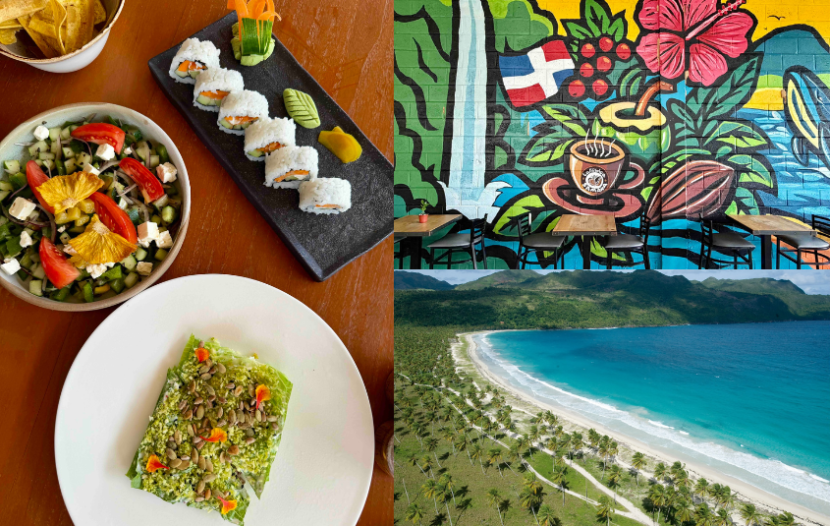
Lead image caption: Fine dining at Cayo Levantado Resort (photo credit Vawn Himmelsbach); La Fábrica Samaná (photo credit Vawn Himmelsbach); Playa Morón (photo courtesy Dominican Republic Ministry of Tourism)