





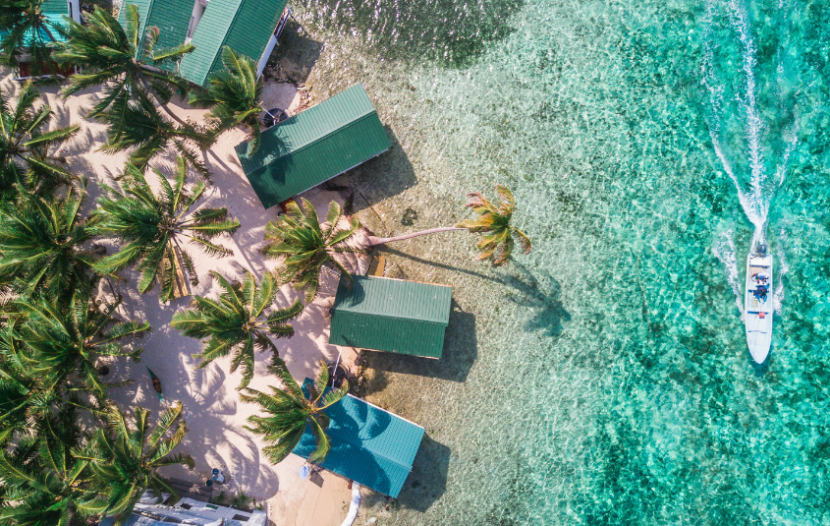
SAN PEDRO, Belize — Wedged between Mexico to the north and Guatemala to the south, Belize’s 386 km of coastline are bathed in the clear blue of the Caribbean Sea.
Belize is renowned for its spectacular diving, and its coral reef. The second largest in the world after Australia’s, the reef stretches for 1,000 km from Mexico to Honduras, and a good portion is off Belize’s coast.
With its many charms, on sea and on land, the Central American country proved the perfect host for the recent Caribbean Conference on Sustainable Tourism Development.
Belize showcased its charms during the four-day event, presented by the Caribbean Tourism Organization (CTO) in collaboration with the Belize Tourism Board, with attendance by some 350 delegates from 29 countries.
Everyone got to see the attraction of this small country with big tourism potential.

PROMISE & POTENTIAL
Discovered by Jacques Cousteau in the 1970s, the Great Blue Hole is one of Belize’s natural wonders, along with 450 cays (sandy islands and islets) and numerous atolls. One of the most famous is the Turneffe coral atoll.
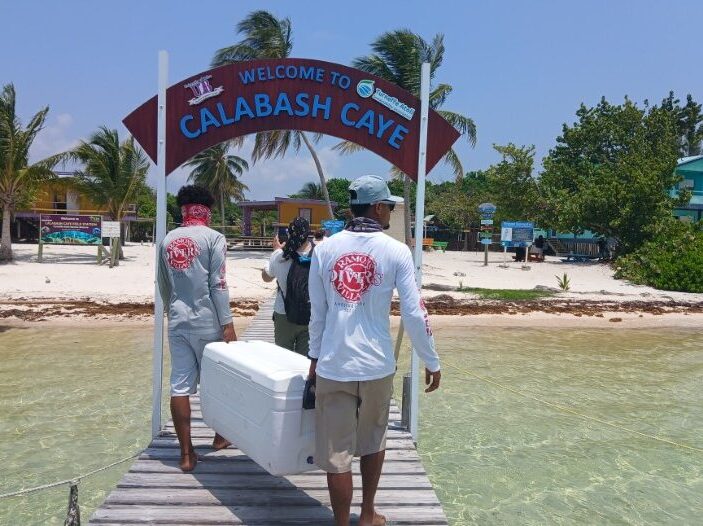
“Turneffe is the largest atoll in the western hemisphere,” Hubert Gillette, senior conservation officer at the Turneffe Attol Sustainability Association (TASA), tells us. Since 2013, this NGO has managed the Turneffe Attoll Marine Reserve in partnership with the Belizean government.
Its actions are based on four pillars: scientific research, protection, education and outdoor activities. Just as in the country’s 11 marine reserves, the management team has a great deal of work to do to combat illegal lobster fishing and to protect habitats from marine phenomena caused by climate change.
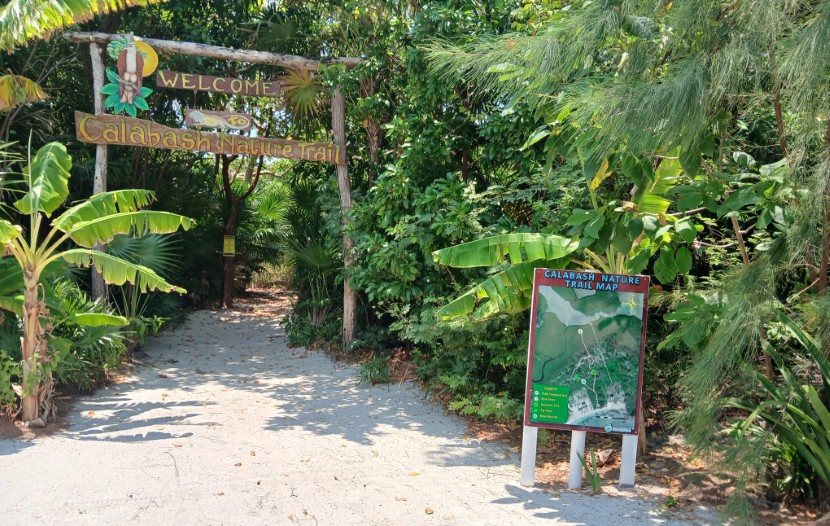
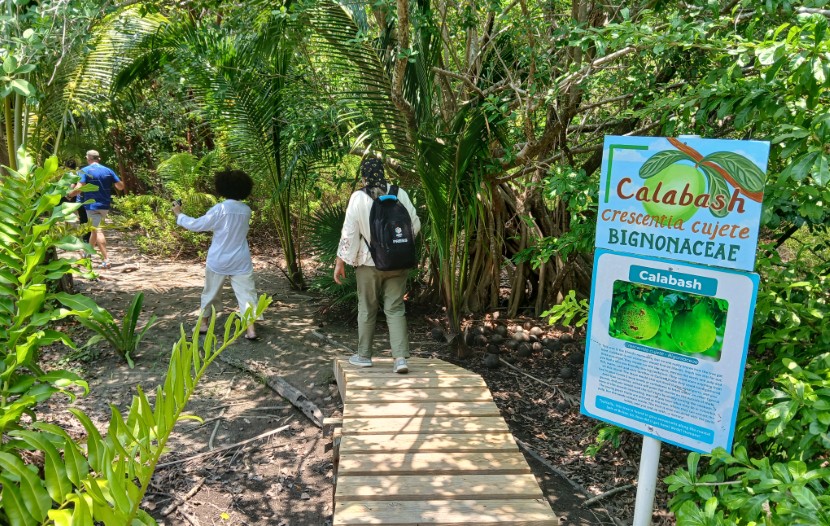
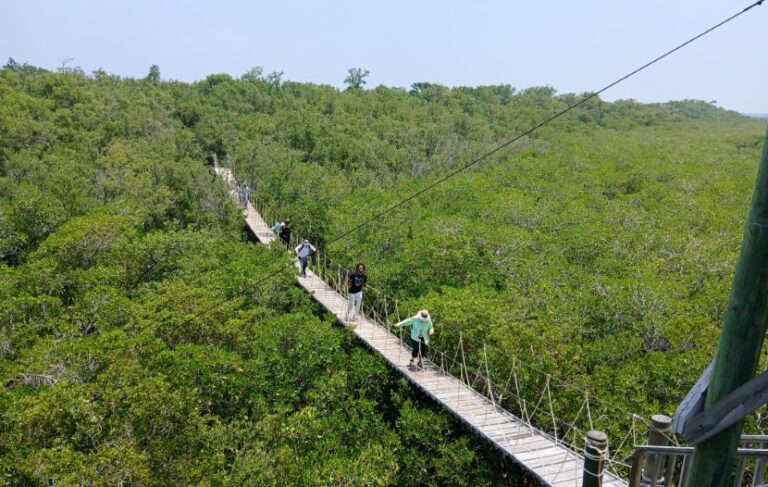
From the small visitor centre, the Kalabash nature trail invites you to discover the dense coastal forest that literally grows on the sand and tolerates salt water.
This vegetation, composed of shrubs, conifers, palms and deciduous trees, helps stabilize the soil during coastal flooding caused by hurricanes.
You have to walk briskly if you don’t want to become lunch for the swarms of voracious mosquitoes that thrive there, but at the top of the lookout, at the end of the trail, what a reward! The 360-degree view of the forest and mangroves is simply breathtaking.
WHERE TO STAY
Blackbird Caye Dive Resort: The perfect all-inclusive resort for scuba diving and snorkelling enthusiasts. Packages available with overnight stays in private cabanas right on the water.
Turneffe Flats: Sea fishing enthusiasts will love this award-winning resort, known for its sustainable approach. Overnight stays in lodges and communal areas provide opportunities to meet future diving partners.
Turneffe Island Resort: Fly fishing, scuba diving and relaxation are available in a dreamlike setting.
Belize Sailing Vacations: Luxury sailing holidays with gourmet meals and discovery activities included.
FREEDIVING IN THE HOL CHAN MARINE RESERVE
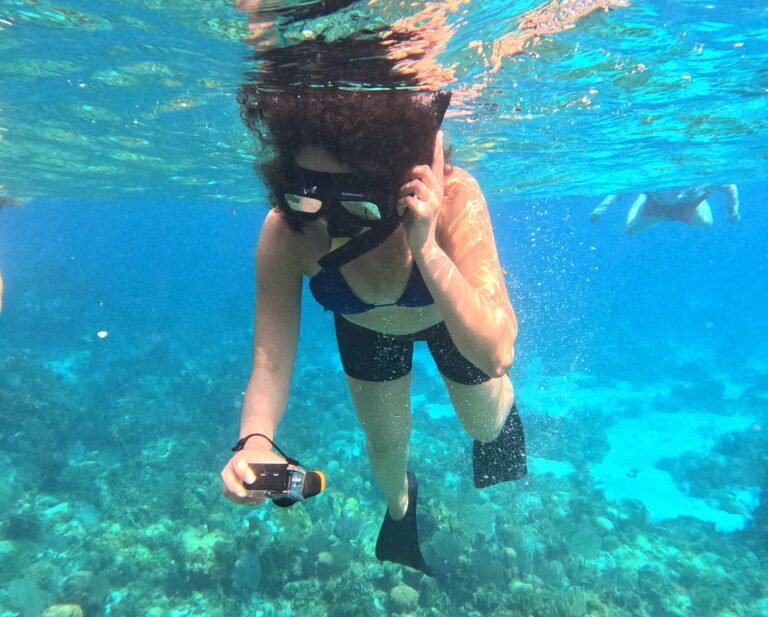
Hol Chan, off the coast of Ambergris Caye and Caulker Caye, forms a 10-metre-deep breach. It is Belize’s very first marine park, protected since 1987.
From Belize City, a 40-minute crossing on the Sirena Azul sailboat is all it takes to reach this area nestled in the heart of the coral reef, known for its exceptional seabed.
For an hour, the guided snorkelling trip is incredible. All around, there are nurse sharks (not very active!), stingrays, sea turtles, groupers and a profusion of tropical fish in surreal colours.
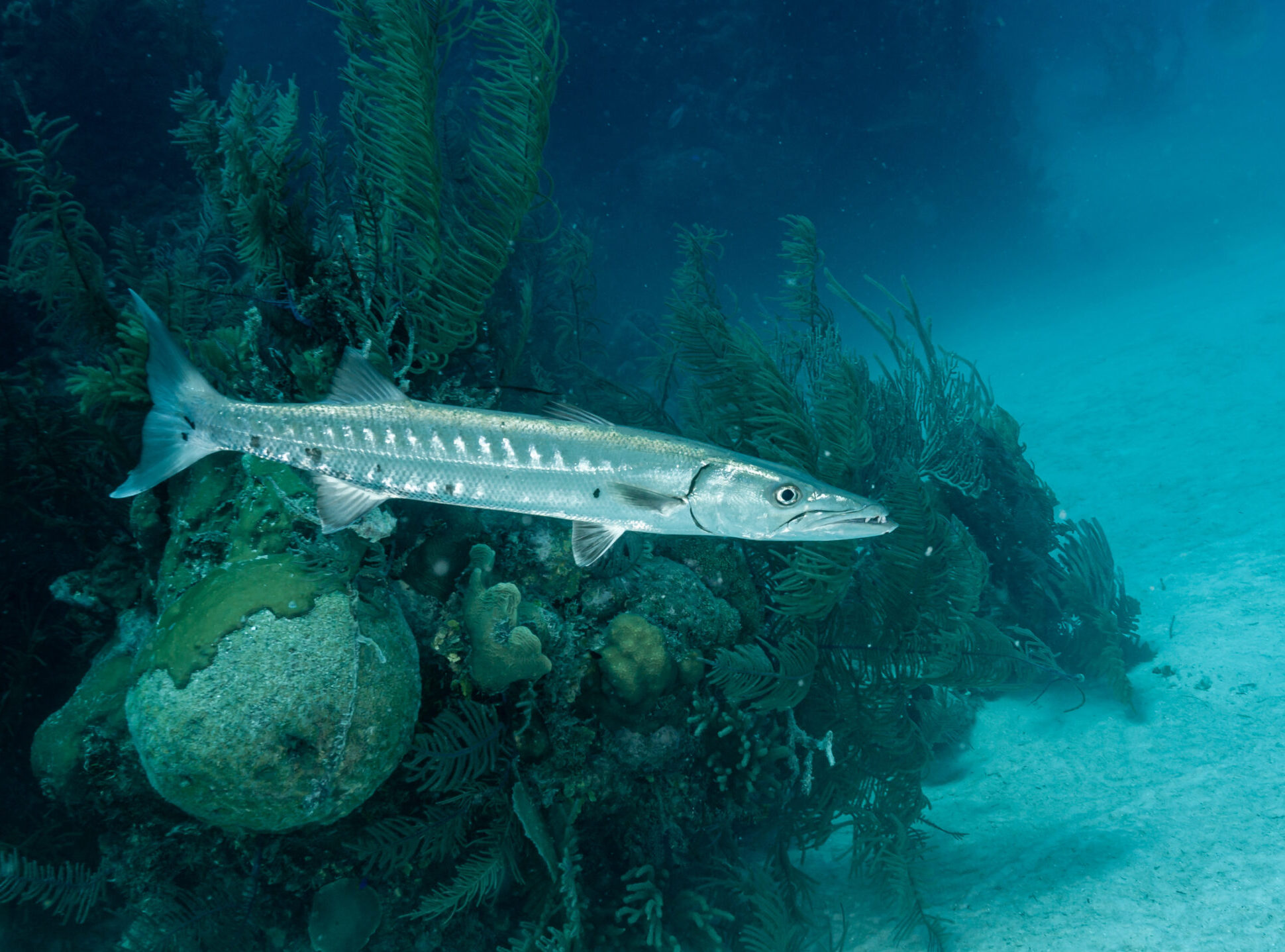
Schools of countless yellow, blue, speckled and striped fish, all shimmering, shelter around the coral. A few armoured barracudas, with their glaucous eyes and menacing jaws, swim in single file through this natural aquarium. The activity is offered by the dive club at the Blue Tang Inn hotel in San Pedro.
ACCOMMODATION OPTIONS
Blue Tang Inn: This luxurious resort, located on the beachfront in San Pedro, offers maximum comfort in a dreamlike setting. Its diving centre offers sailing trips followed by guided snorkelling excursions.
LAMANAI RUINS: ‘SUBMERGED CROCODILE’
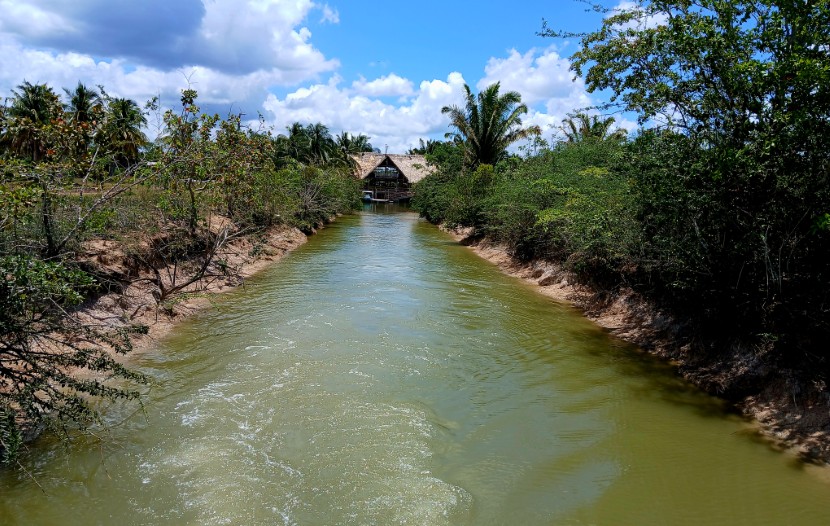
The Lamanai archaeological site (‘submerged crocodile’ in Mayan), an hour from San Pedro, was discovered in the heart of the Belizean rainforest between the 1960s and 1970s by intrepid archaeologists.
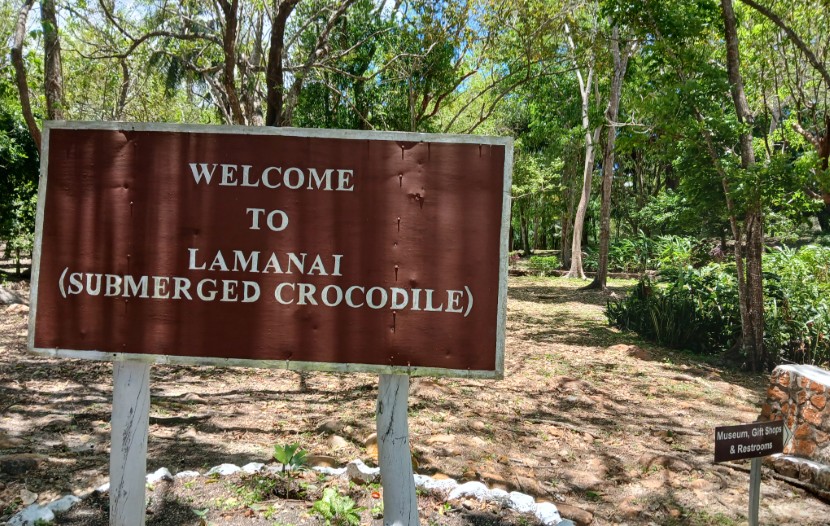
Getting there from San Pedro is like a (small) adventure, as you have to take a series of public transport options to reach the old Mayan village (express boat taxi, bus, shuttle speeding across the flat surface of the lagoon…).
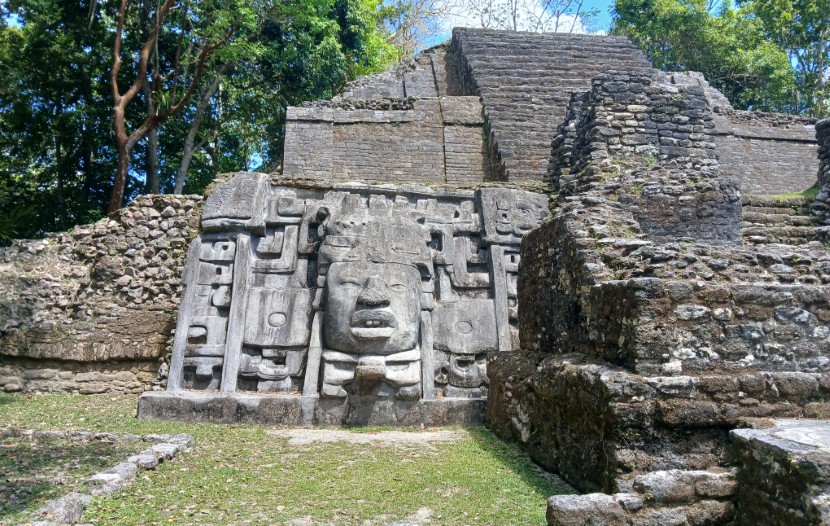
To imagine the effect of the three temples of Lamanai, one must picture them adorned with a vibrant red pigment and ornaments shimmering in the Belizean light. One must also place the site at the heart of a community of 60,000 people, whom the pure water of the lagoon had inspired to build imposing temples and modest houses there, between 500 and 600 BC.
Three temples remain today – including the Temple of the Jaguar and the Temple of the Marks – along with a ballcourt and a few petrified walls in the lush forest. Climbing the temple steps is quite manageable for those who enjoy hiking.
NEARBY HOTEL
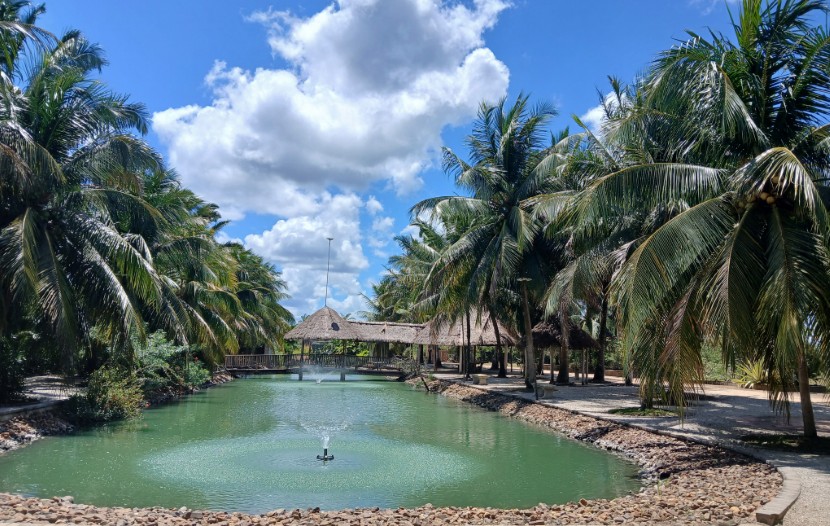
Watermark Hotel: Located on Ambergris Caye, this comfortable San Pedro hotel is close to everything. It features beachfront bars, restaurants, grocery stores, and craft shops. A rooftop pool is an added bonus.
BELIZE & CRUISES
More and more Caribbean cruises are including Belize City among their ports of call.
This is the case for several itineraries offered by MSC, Royal Caribbean, NCL, Carnival and Celebrity, to name just a few.
But rather than letting these companies do as they please, the Belize Tourism Board is considering setting new rules so that they generate jobs, especially for young Belizeans, as well as benefits for traders, restaurateurs and hoteliers.
Discussions are being organized with schools to consider training young people in tourism. Because beyond the promotion and protection of the environment, the sustainable development of a destination also involves caring for local communities.
“We need to look at what’s happening on land more than on the water,” says Maria Fewell, a tourism specialist at the OECS Commission (Organization of Eastern Caribbean States). “Cruise companies have a responsibility to ensure that the governance of their products includes local residents.”
BELIZE AT A GLANCE
Capital: Belmopan (but Belize City remains the metropolis)
Exchange rate: The Belizean dollar is worth 0.71 Canadian dollars. The cost of living is extremely high (restaurants, mainland hotels, taxi fares).
Transportation: In San Pedro, people rent golf carts to get around, just like the local residents.
Security: A state of emergency was declared last May in some areas of Belize City (it’s better to avoid this large city and stay in the cays).
Best time to go: To avoid the rainy season, it’s best to go from February to April.
Air Canada offers service to Belize, and so does WestJet, with a brand new Belize route added to its BZE network and announced earlier this week.
Responding to the new lift, the Belize Tourism Board noted that Canada is one of the destination’s strongest international source markets, with sustained demand for nature-based, cultural and adventure travel.
More info is at travelbelize.org.
Lead image caption: Tobacco Caye, Belize. All photos (with exception of Tobacco Caye and Belize Reef barracuda) are courtesy of Nathalie Schneider, on the freelance team for Profession Voyages, part of the Travelweek Group