






Germany’s appeal lies in just how much variety can be packed into a single trip, from major cultural centres and historic towns to wine regions, coastal landscapes and lesser-known cities. In this week’s Take 5, we speak with Anja Brokjans, Director, Marketing & Sales Canada at the German National Tourist Office about emerging destinations, Christmas market itineraries, major cultural events, trade support for Canadian advisors and the opportunities that come with looking beyond Germany’s best-known sights.
1.Which destinations or regions in Germany are gaining more attention from Canadian travellers, and are there any lesser-known places you think travel advisors should have on their radar for 2027?
“Germany’s major cities will always be an important starting point, but I would encourage Canadian travel advisors to look beyond the best-known destinations and combine them with places their clients may not yet know.
“Leipzig is a great example. It has an incredible musical heritage connected to Bach, Mendelssohn and Wagner, but it is also young, creative and very vibrant. Lübeck combines beautiful architecture and Hanseatic history with easy access to Germany’s Baltic coast, while cities such as Bremen offer historic old towns, culture and a very different side of Germany.
“I also think regions such as the Ruhr area deserve more attention. Many travellers still associate it primarily with Germany’s industrial past, but today it offers an exciting mix of industrial heritage, contemporary culture, green spaces and creative urban development.
“One of Germany’s great strengths is that travellers can experience very different cities, landscapes, culinary traditions and cultural regions within relatively short distances. Germany is full of wonderful culture that just wants to be discovered. There is something for everyone in Germany’s most diverse selection of towns and cities, and at Germany’s top museums or other cultural institutions.”
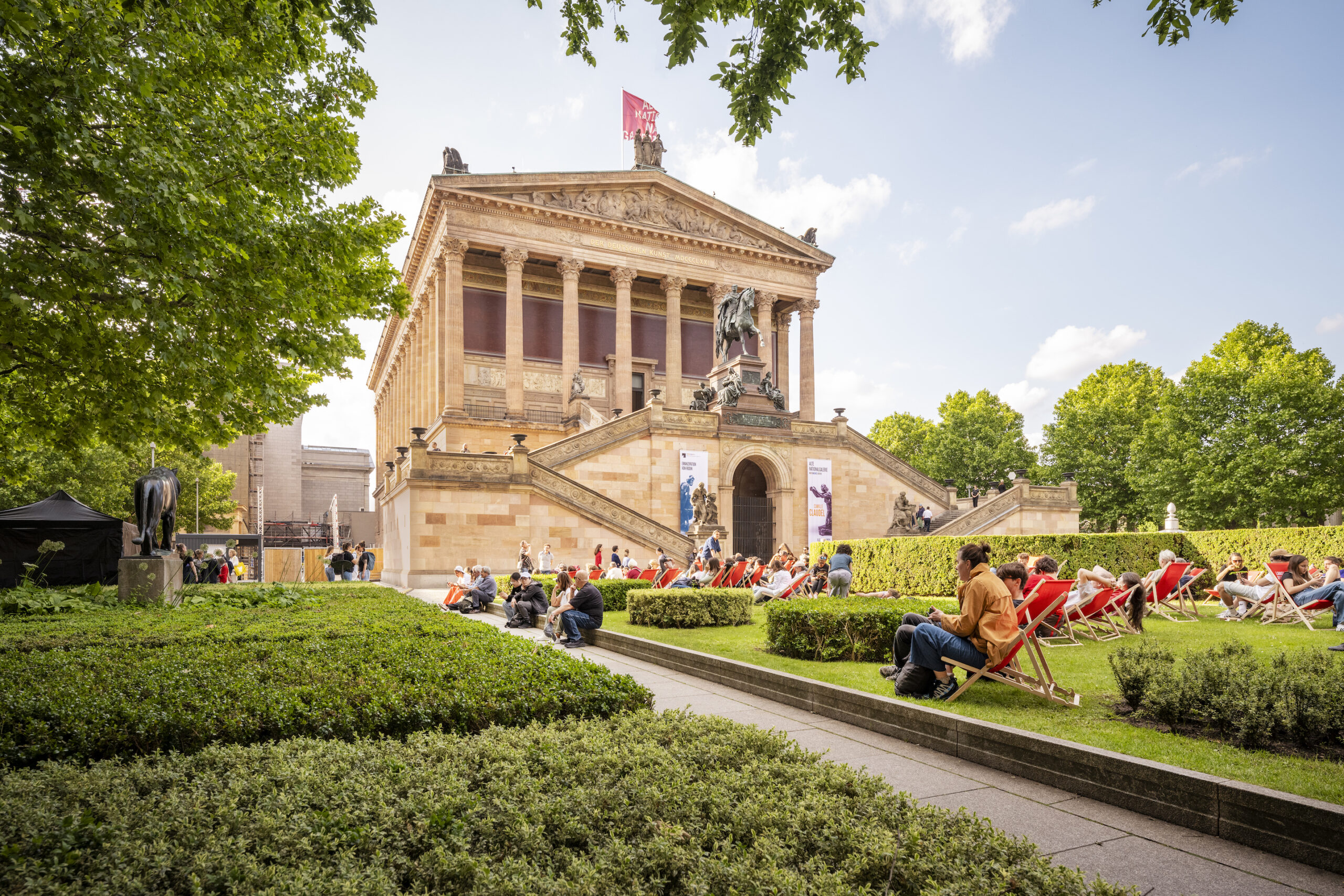
Alte Nationalgalerie museum in Berlin – Credit Dagmar SchwelleAlte Nationalgalerie, Kolonnadenhof
kein Model Release
2.How is the German National Tourist Office working with Canadian travel advisors, and how can advisors stay connected and learn more about selling Germany?
“Travel advisors are extremely important to us, particularly because Germany offers such a wide variety of destinations and experiences.
“Following the reopening of the German National Tourist Office in Canada this year, we are now rebuilding and expanding our activities for the Canadian travel trade. This will include webinars, destination updates and other initiatives designed to provide advisors with practical knowledge, itinerary ideas and inspiration to help them sell Germany more effectively.
“We encourage advisors to subscribe to our trade newsletter, which provides regular updates on destinations, new tourism products, events, travel ideas and other news from Germany.
“Subscribe to the GNTO Canada Trade Newsletter HERE.”
3.Germany’s Christmas markets remain a major draw. How would you encourage advisors to build a Christmas market itinerary that goes beyond the best-known cities?
“There are wonderful options beyond the best-known cities. In the Harz region, for example, travellers can combine the beautifully preserved UNESCO towns of Goslar and Quedlinburg with winter walks and even a ride on the historic narrow-gauge railway through the snowy landscape. Lübeck offers a completely different atmosphere, with its UNESCO-listed old town, Hanseatic heritage and famous marzipan, while Baden-Baden combines its Christmas market with thermal spas and the winter scenery of the Black Forest.
“I also like the idea of building an itinerary around regional flavours and traditions. In Aachen, for example, the Christmas market sits between the cathedral and town hall and is closely associated with the city’s famous Printen. In northern Germany, places such as Bremen, Stralsund and Wismar offer a more maritime take on Advent, with historic architecture, local specialties and a very different atmosphere from southern Germany.
“That is what I would encourage advisors to sell: not just the markets themselves, but the feeling of winter in Germany — the lights, traditions, food, culture and the opportunity to discover places their clients may not already know. Christmas in Germany is celebrated throughout the Advent season, so there is a much broader story to tell.
I would encourage advisors to think of it as a winter journey through Germany rather than simply a tour of Christmas markets. The markets can be the starting point, but what makes the experience really memorable is combining them with regional traditions, historic towns, local food and winter experiences.”
4.Looking ahead, what major events, anniversaries, festivals or cultural celebrations do you expect will be especially appealing to international visitors?
“Germany has an exceptional cultural calendar with highlights ranging from architecture and design to music, museums and contemporary art.
“In 2026, Frankfurt is World Design Capital, placing creativity, architecture and urban design in the spotlight. In Dessau, we are celebrating 100 years of the Bauhaus building, one of Germany’s most influential contributions to modern architecture and design.
“There are also several important cultural anniversaries. Berlin’s Alte Nationalgalerie celebrates its 150th anniversary, while the Bayreuth Festival marks 150 years of one of the world’s most renowned opera festivals. Hamburg adds a very different cultural dimension, with the 400th anniversary of the Reeperbahn as well as the new Digital Art Museum, offering an immersive and highly contemporary cultural experience.
“And there is already a lot to look forward to in 2027. Hamburg’s iconic Elbphilharmonie celebrates its 10th anniversary during the 2026/27 season, with a special programme of international orchestras, artists and festivals spanning classical, jazz and contemporary music.
“Another major highlight will be the International Garden Exhibition – IGA Metropole Ruhr 2027, taking place from April 23 to October 17. With more than 6,000 events planned, it will showcase the Ruhr region in a completely new way, combining its industrial heritage with green spaces, sustainability, culture and ideas about how we want to live in the future.
“In Berlin, the Pergamonmuseum will partially reopen following extensive renovations, bringing visitors back to one of Germany’s most important museum destinations.
And contemporary art lovers should keep documenta 16 in Kassel on their radar. Running from June 12 to September 19, 2027, documenta is one of the world’s most influential contemporary art exhibitions and only takes place every five years.
“These events provide wonderful opportunities to build trips around a client’s personal interests, whether that is music, architecture, design, history, gardens or contemporary art. They also give repeat visitors entirely new reasons to discover different parts of Germany.”
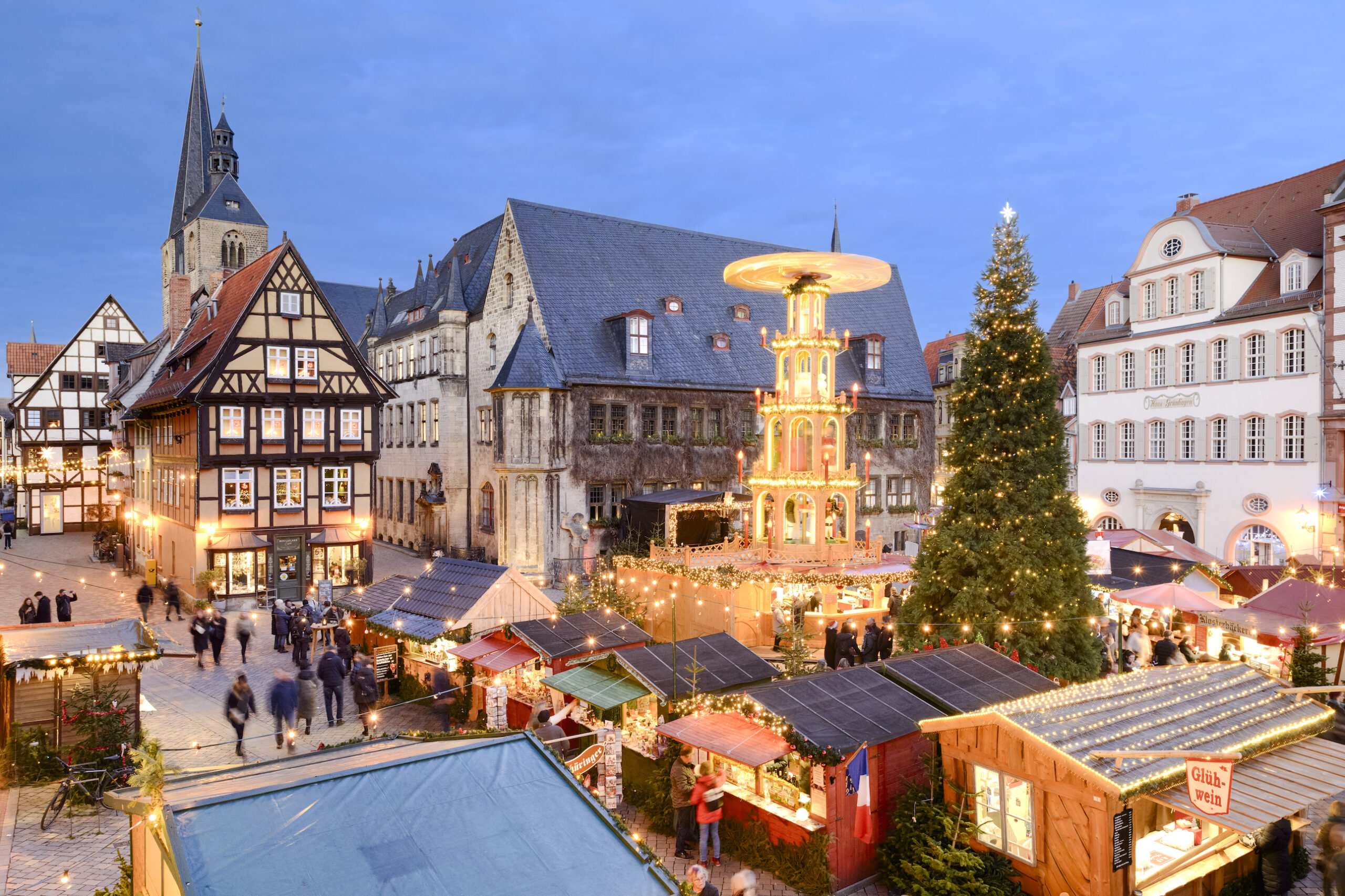
Quedlinburg Christmas Market – Credit Francesco Carovillano
5.What is one thing about Germany that you think travel advisors and their clients often underestimate?
“I think what travel advisors and their clients sometimes underestimate is just how diverse Germany really is.
“Germany is very well connected, and the travel experience can change completely within just a few hours. Public transportation is easy to use, making it simple to move between major cities, historic towns and different regions without having to travel enormous distances. You can go from Berlin or Hamburg to wine regions, forests, spa destinations, coastal landscapes or mountain scenery and experience a completely different side of the country.
“That diversity also extends to culture, architecture, food and regional traditions. Bavaria feels very different from northern Germany, the Baltic coast offers a completely different experience from the Black Forest, and destinations such as Rothenburg ob der Tauber, Potsdam or the wine towns along the Rhine and Moselle each offer their own distinctive character and atmosphere.
“For travel advisors, that creates a wonderful opportunity to build itineraries around a client’s individual interests rather than simply checking off the best-known sights. A trip can combine art and culture with culinary experiences, cycling, wellness, music, nature or history, often within the same itinerary.
“I think that is one of Germany’s greatest strengths: there isn’t just one way to experience Germany. Even repeat visitors can come back and discover an entirely different side of the country.”
For more information about Germany, click here.
To subscribe to the GNTO Canada Trade Newsletter, click here.
