





TORONTO — AI may be rewriting the rules of travel, but the industry’s biggest advantage in 2027 could still be the human touch.
The prediction is one of six emerging trends identified by Travel Trends Podcast following its third annual Travel Trends Summit, held virtually Oct. 28-29 under the theme “Beyond AI.” The event attracted more than 10,000 viewers and featured industry leaders from companies including Phocuswright, TourRadar, Fora, Deloitte, Brand USA, Arival, Virtuoso and Lonely Planet.
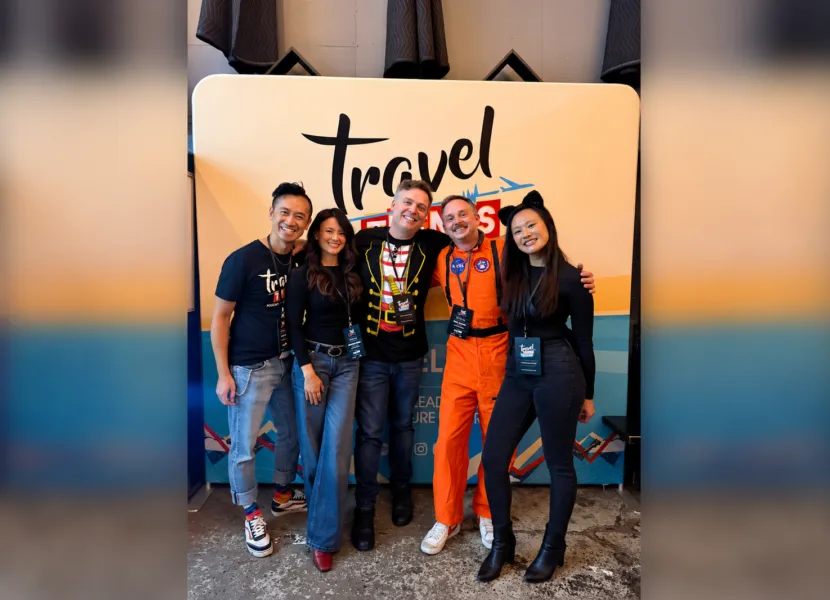
Drawing on discussions from the Summit, Travel Trends Podcast Founder and Host Dan Christian identified six developments expected to shape the industry in the year ahead.
“Having spent the past year speaking with travel industry leaders, one thing has become increasingly clear: the conversation is no longer about what AI can do, but about how businesses can use it to create real value. In 2027, I believe the companies that succeed will be those that combine technological innovation with trusted traveller relationships, measurable business results and genuine human connection,” said Christian.
The six predictions are:
- AI moves into core operations. Beyond search, recommendations and itinerary planning, adoption will increasingly focus on operational processes such as inventory management, pricing, supplier content and financial reconciliation.
- Competition for the traveller relationship intensifies. General-purpose AI assistants could increasingly influence where travel planning begins, how decisions are made and which suppliers receive bookings. Research from Phocuswright presented at the Summit found that 43% of U.S. travellers surveyed would feel comfortable booking within an AI platform, while only 20% of travel companies surveyed were building or planning capabilities to make their inventory bookable through AI assistants.
- Connected traveller data becomes more valuable. Accurate, connected data will play a growing role in personalisation, customer loyalty and continuity of service as AI-powered travel services become more sophisticated.
- AI governance takes priority. As AI agents gain the ability to carry out transactions and make decisions, travel businesses will need clear rules around data access, permissions, accountability and human intervention.
- Measurable AI returns come under scrutiny. Investors and technology buyers will increasingly look for commercial impact, adoption and implementation readiness rather than technological novelty.
- Human expertise becomes a stronger differentiator. The ability to interpret unstated needs, exercise judgement, build emotional connections and support travellers during disruptions will become increasingly valuable as automation spreads.
Travel Trends Podcast also plans to move its Summit to a fully in-person format in 2027, while continuing to livestream sessions for its global audience. The decision follows growing demand for face-to-face connections within its international travel industry community, with 200 people attending the most recent Summit’s in-person after-party.
Both days of the 2026 Summit are available to watch on YouTube: Day 1 and Day 2.
