


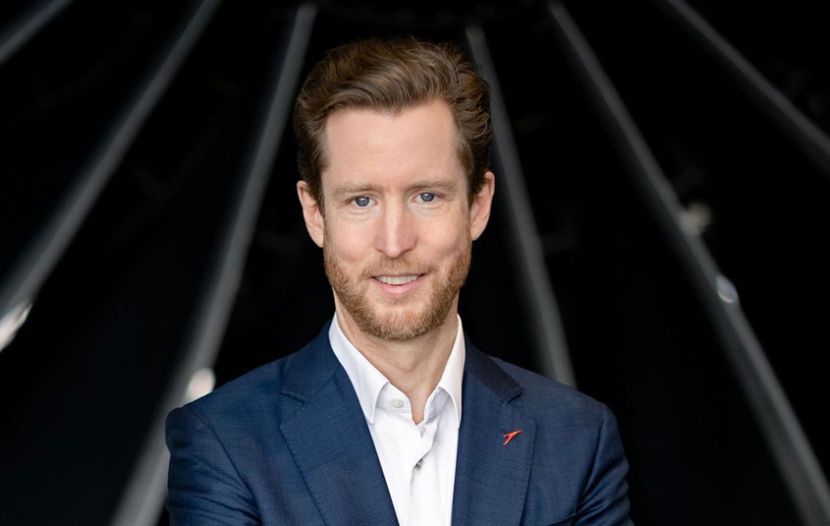
CALGARY — WestJet CEO Alexis von Hoensbroech is adding his voice to the chorus of airline execs predicting a potentially years-long timeline for high jet fuel prices.
At the ALTA AGM & Airline Leaders Forum in Mexico City, von Hoensbroech told Aviacionline how rising fuel expenses are putting pressure on the airline’s growth plans, even as demand for southern destinations remains an important part of its business.
His outlook for fuel prices is cautious.
“I think we have to work on the assumption that fuel will stay high throughout 2027, and perhaps 2028,” he told Aviacionline.
The WestJet CEO said he sees little indication that fuel markets will stabilize quickly, pointing to pressure on global supplies and growing consumption.
CANADIANS KEEP HEADING SOUTH
Meanwhile, WestJet’s Latin America and Caribbean network continues to play a major role in its operations.
During peak season, the airline operates between 110 and 120 daily flights to the region, carrying some 20,000 travellers. That includes service to 40 destinations from 25 Canadian cities. Mexico accounts for roughly half that traffic, with WestJet serving 15 destinations in the country.
Von Hoensbroech noted Canadians’ changing travel patterns, with some travellers who previously vacationed in the U.S. choosing Mexico, Jamaica and the D.R. instead. He added that some Canadians are travelling less, while the loss of Cuba service has removed one of the market’s more affordable sun vacation options.
NEW AIRCRAFT AND NEW ROUTES
WestJet’s fleet renewal is another priority. The carrier has 101 Boeing 737 MAX 10 aircraft on order, with initial deliveries expected in spring 2027.
The larger aircraft will gradually replace ageing 737-700s, providing additional seats and improved fuel efficiency.
On the network side, WestJet’s first South American route, Calgary-São Paulo, is scheduled to begin Dec. 15, using Boeing 787-9 aircraft. The seasonal service is planned through Feb. 14.
The airline is also building on partnerships with LATAM, Aeroméxico and Copa Airlines to extend connections across Latin America.
Von Hoensbroech says sustainable aviation fuel will require government support or consistent international requirements to become commercially viable without placing early adopters at a disadvantage.
As for planning around the fuel uncertainty, he has a straightforward philosophy: “My planning assumption is that next year will be the same as today. If it improves, fantastic. But hope is never a good strategy. Better to prepare for the worst and hope for the best.”
Lead image caption: WestJet Group CEO Alexis von Hoensbroech
