


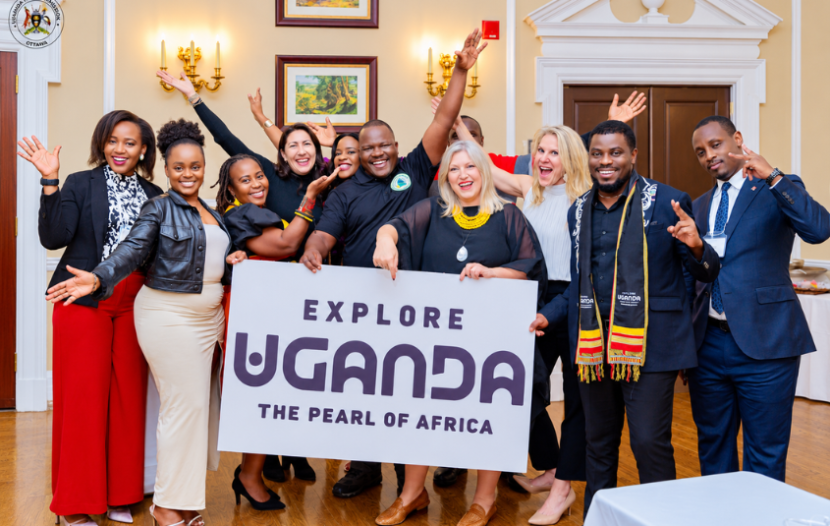
TORONTO — Uganda is showcasing its appeal as the ‘Pearl of Africa’ and encouraging Canadian travel advisors to look beyond gorilla trekking and discover a destination with a much bigger story to tell.
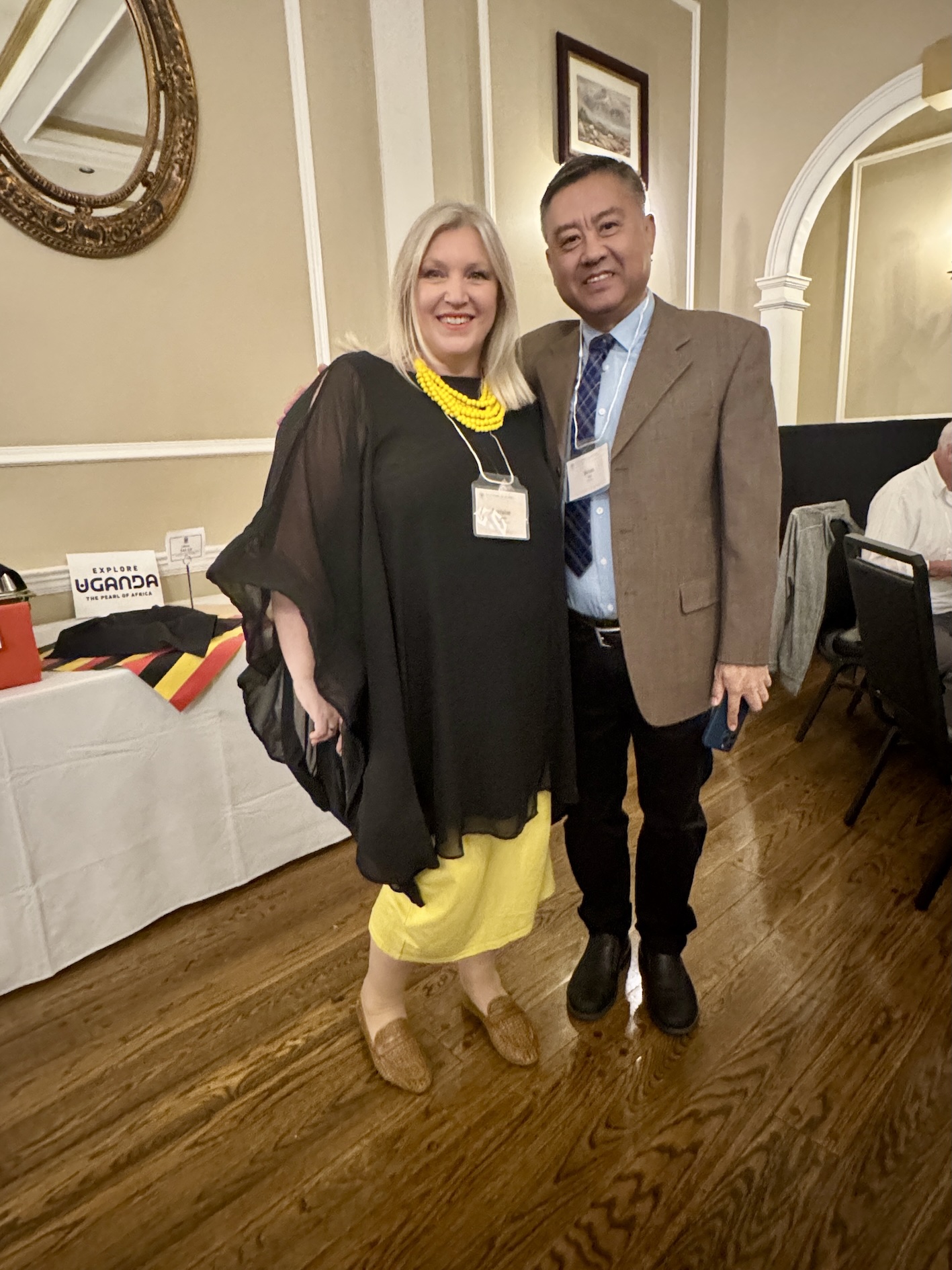
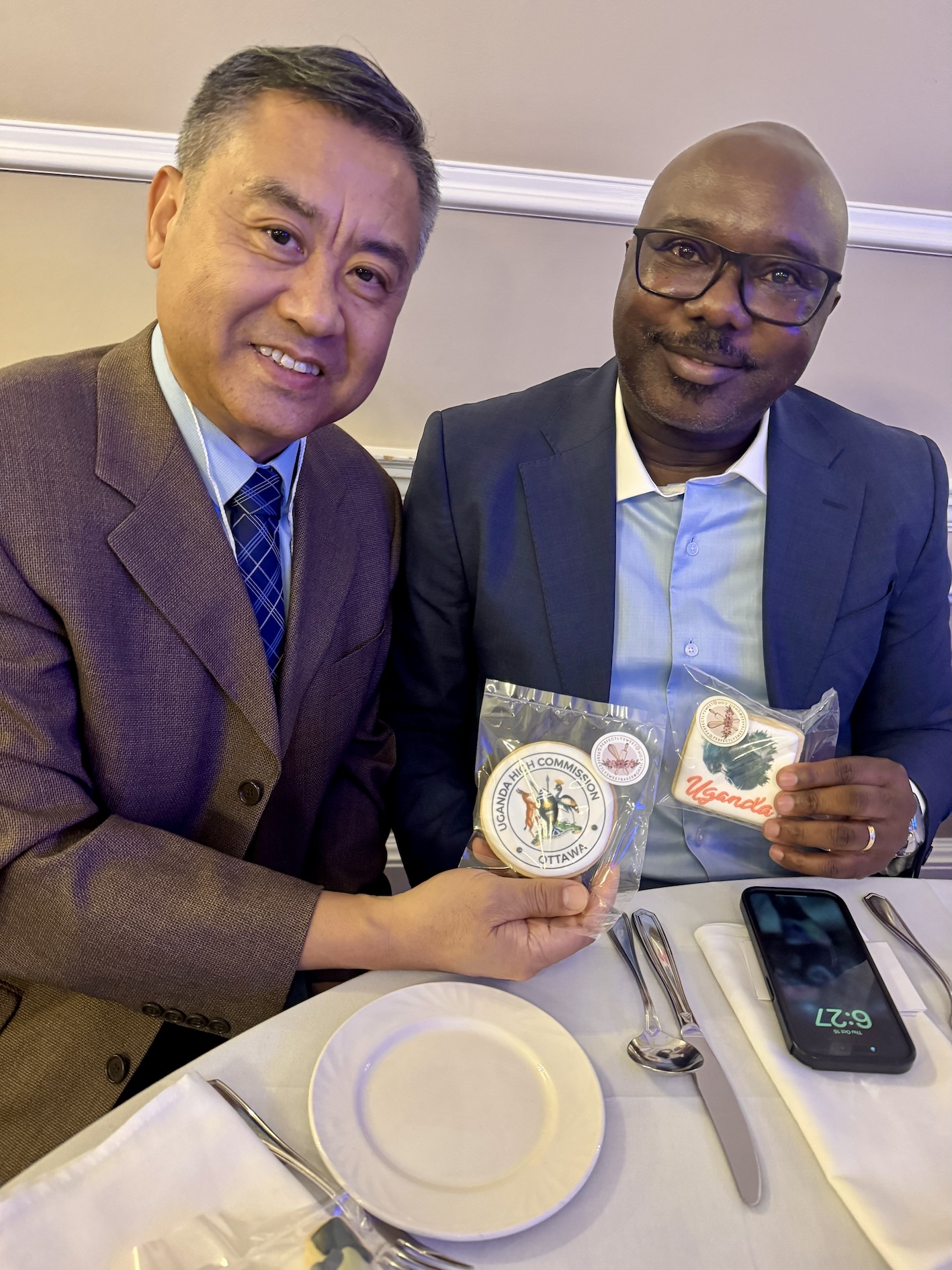
A recent industry event hosted by the Uganda High Commission in Ottawa and featuring Ambassador Allan Kajik and travel expert Lorraine Simpson, at Toronto’s iconic Old Mill, brought together 40 travel advisors, tour operators, and media representatives for a sold-out dinner and presentation.
“Uganda, located in East Africa, is the heart of the continent. It’s a beautiful place to visit, with friendly locals who are always smiling,” said Kajik. “You can witness some unique wildlife, including tree-climbing lions, and you can experience a gorilla trek like no other in their natural habitat.”
Kajik’s message: Uganda is a complete holiday destination where primate encounters are just one aspect of a broader journey through national parks, local communities and stunning landscapes.
TRAVEL ADVISOR CONNECTION
Canada is firmly on Uganda’s radar, according to Simpson, who recognizes potential for Canadian advisors to build a stronger presence alongside their counterparts in the U.K. and U.S.
“Uganda has a gorilla problem,” said Simpson with a smile, in an interview with Travelweek. “There is so much more to explore that has nothing to do with gorillas. It’s become my absolute favourite country in the world and my second home.”
She added: “We’ve seen promising numbers for Kampala, and officials are very pleased with the current developments in Canada. However, because we currently lack representation, we don’t always have a complete picture.”
The absence of a dedicated tourism representative in Canada is a gap in Uganda’s strategy to reach the market. According to Simpson, travel advisors need a clearer connection to the destination, including help understanding its regions, identifying suitable experiences, and answering clients’ queries.
Current conditions present a significant obstacle, as Canada’s travel advisory on the country is restrictive due to a few reported cases of Ebola. Although no new cases have been reported since June, Canada has implemented a robust policy that includes a 21-day quarantine for returning Canadians, extended until the end of November.
Despite the headwinds, Uganda remains optimistic about its efforts to introduce more Canadians to the destination. The country aims to strengthen its connections with Canadian travel advisors through initiatives such as trade education, familiarization trips, and local representation, which Simpson is working toward by establishing a formal tourism ambassador role for the Canadian market.
BEYOND GORILLAS: BUILDING A BIGGER SAFARI
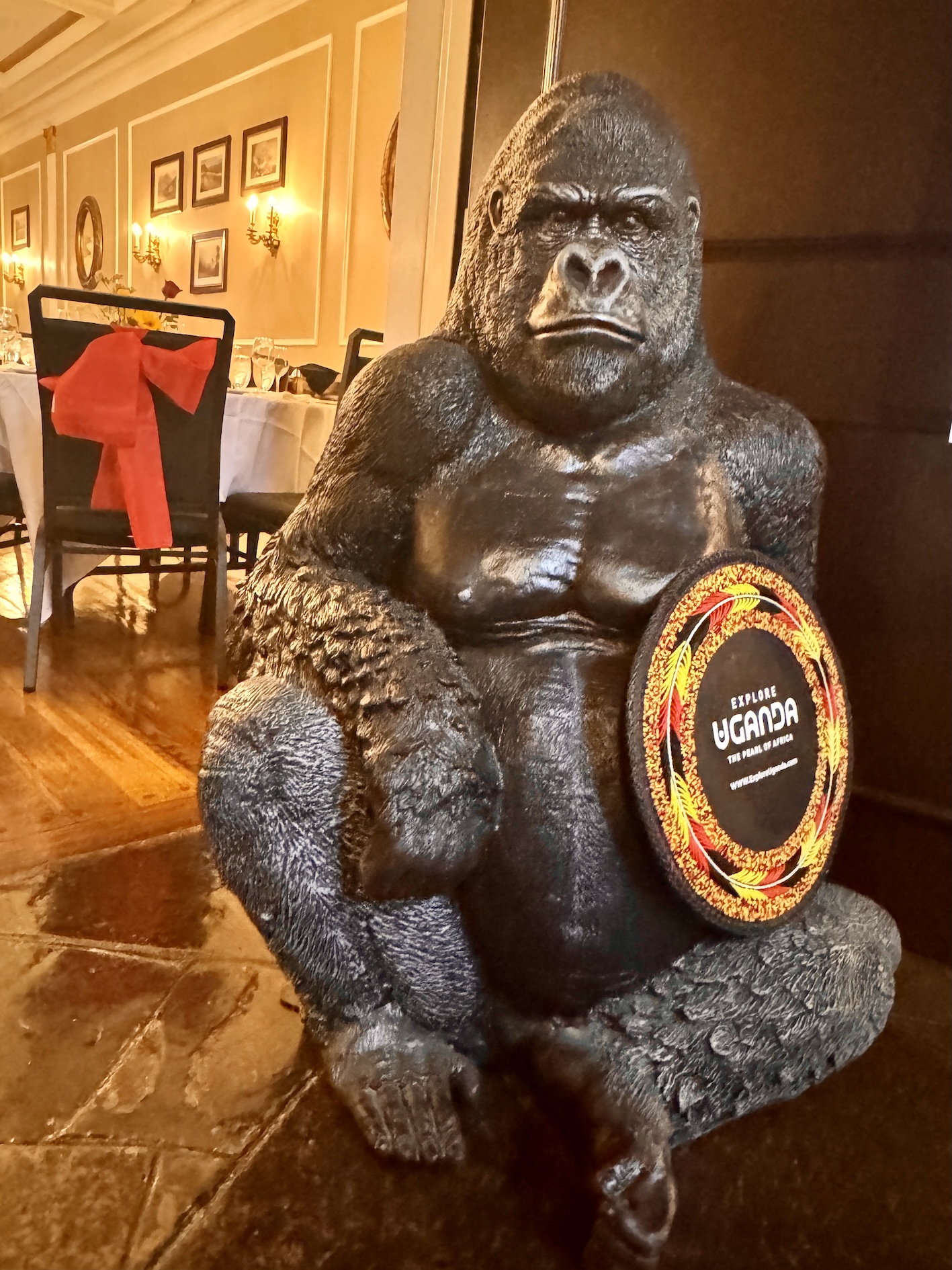
Gorilla trekking is a major reason to visit Uganda, particularly in Bwindi. However, the presentation encouraged advisors to consider how a more diverse itinerary can enhance that experience.
Uganda’s range remains one of its biggest selling points. The Toronto event highlighted experiences such as chimpanzee trekking in Kibale, tree-climbing lions in Queen Elizabeth National Park and rhino tracking at Ziwa. Wildlife viewing along the Kazinga Channel adds a water-based perspective to the typical land-focused safari.
Selling tip for Canadian advisors: a client drawn to primates may want to combine gorilla and chimpanzee experiences, while a photography enthusiast might prefer an itinerary that includes Murchison Falls or Kidepo Valley.
Simpson positioned Uganda as an option for first-time safari travellers and clients seeking experiences beyond the well-known destinations of Kenya and Tanzania. She also identified both mid-market and luxury travellers as potential audiences, particularly those interested in culture and adventure who prefer to avoid large crowds.
CULTURAL CONNECTIONS
Local encounters alongside wildlife are also essential to Uganda’s appeal. Kampala offers opportunities to explore food, craft markets and urban life. Culinary experiences can introduce visitors to local dishes, including the ‘rolex’, Uganda’s rolled chapati and egg snack, while market visits offer opportunities to engage with local producers. There are also coffee experiences around Fort Portal and Mount Elgon.
Uganda’s heritage adds depth to its allure, with three UNESCO World Heritage Sites: Bwindi Impenetrable National Park, Rwenzori Mountains National Park and the Tombs of Buganda Kings at Kasubi. These sites and experiences connect major wildlife stops and offer options for clients whose interests go beyond game drives and trekking.
FROM GAME DRIVES TO NILE RAPIDS
For active travellers, Uganda offers a wide range of options, from the Nile to its stunning mountain landscapes.
Jinja serves as the adventure hub for white-water rafting, kayaking, and bungee jumping along the Nile. Meanwhile, the Rwenzori Mountains and Mount Elgon provide excellent hiking opportunities. Additionally, running events have emerged as a potential draw for travellers with special interests.
GETTING THERE, GETTING PREPARED
The team said efforts are underway to establish a codeshare arrangement between a Canadian airline and Uganda Airlines via London, which would streamline connections and baggage transfers.
Before visiting Uganda, Canadians must apply for an electronic visa. Good to know: a yellow fever vaccination certificate is no longer required for entry.
When is the best time to visit? While Uganda is accessible year-round, the best times to travel are during the dry seasons from December to February and June to September. These offer the most favourable conditions for gorilla trekking, chimpanzee walks and wildlife safaris.

MORE LUXURY, FEWER CROWDS
Uganda is experiencing a surge in new lodges. Accommodation options are expanding, with high-end stays enhancing Uganda’s appeal to clients seeking comfort alongside outdoor experiences.
Recently, A&K Sanctuary reimagined Gorilla Forest Lodge in Bwindi, while And Beyond and Wild Places have added more properties. Additionally, a new Sheraton hotel in Kampala has opened, along with further investments and new developments in the region.
Asked about the ideal clients for travel advisors to target, Simpson said the strongest fit is someone looking for a more personalized experience in the destination.
“The ideal client does not want to be part of 50 vehicles searching for one lion. Instead, they are more adventurous and interested in cultural experiences. While hospitality and friendliness are important, the main attraction is the chance to explore off the beaten path without the crowds,” she said.
“It’s an exciting time for Uganda,” Simpson added. “It has the potential to become the next big destination. The locals are genuinely pleased to welcome visitors and you’ll feel safe upon arrival.”
One of the biggest misconceptions about Uganda is that it’s solely about gorillas. According to Simpson, “It really isn’t. Uganda offers so much more, and everyone who visits will love it.”
For more information on Uganda, click here.
Lead image caption: Ready for more Canadian travellers, the Uganda Tourism Board delegation hosted travel advisors, media and tour operator partners at Old Mill Toronto (main image photo credit Mark Mugagga; all other photos courtesy Annie Cicvaric)
