





Germany is one of Europe’s most culturally rich travel destinations — and not just in its well-known cities. From vibrant art scenes and centuries-old architecture to relaxed university towns with a character entirely their own.
World-Class Culture You Can Feel
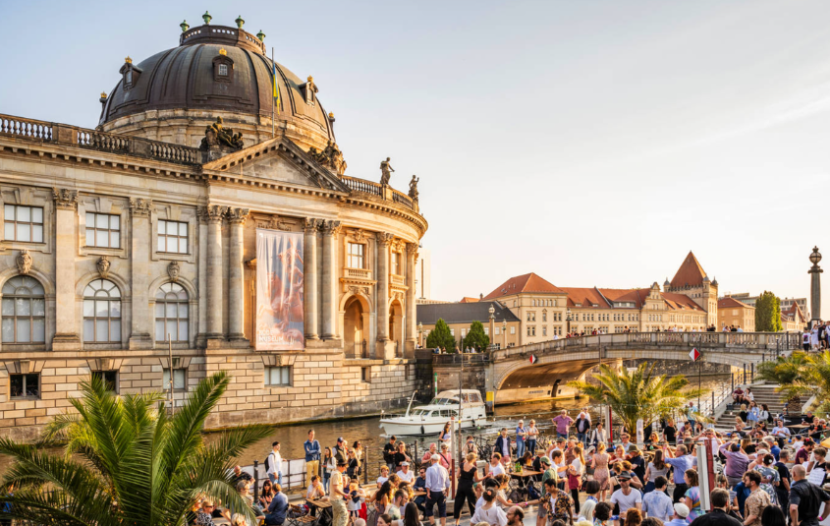
Germany’s major cities impress above all through the density and quality of their cultural offer. Art lovers visiting Munich will find several world-class institutions within easy reach of each other — the Pinakotheken galleries, Schloss Nymphenburg, and the Deutsches Museum, the world’s largest science and technology museum, all within the city. Berlin’s Museum Island carries UNESCO World Heritage status, and the city itself was the first German member of the UNESCO Creative Cities Network, recognised as a “City of Design.” Hamburg, meanwhile, built the Elbphilharmonie — one of the world’s most acoustically remarkable concert halls — right next to the Speicherstadt warehouse district, itself a UNESCO World Heritage Site. And in Cologne, the Römisch-Germanisches Museum traces more than 2,000 years of city history, while life hums along the Rhine just outside.
What connects these cities is this: culture here is not a day trip, it’s everyday life. Street art next to opera houses, gourmet dining next to market stalls, history next to the present — all of it coexisting in ways that continue to surprise even seasoned travellers.
→ Explore Germany’s major cities at germany.travel
Smaller Cities, Bigger Discoveries
Travel beyond the familiar names and you find a Germany that feels even more authentic. The country’s university cities are the best example: young, lively, often shaped by medieval architecture — and with a cultural offer that far exceeds what their size might suggest.
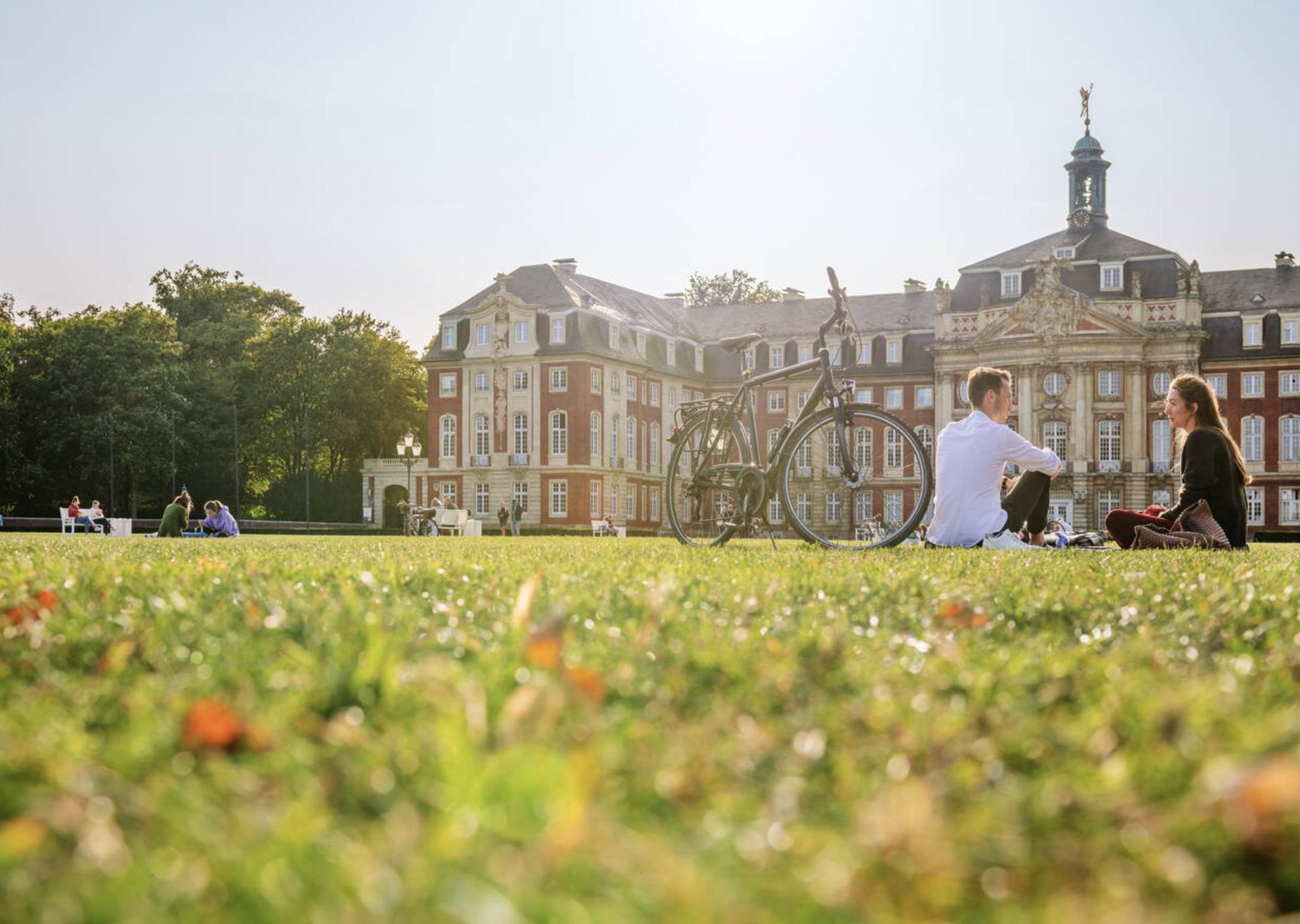
Freiburg charms with a half-timbered old town threaded by the famous “Bächle”, a historic system of small open water channels, and a Gothic Minster that has defined the city’s skyline since the 13th century. In Münster, cycling paths wind through a historic centre anchored by a Baroque palace and major regional museums. Göttingen breathes intellectual history: the Brothers Grimm once taught here, and dozens of future Nobel laureates studied at its Georg-August-Universität. Bonn, meanwhile, weaves Beethoven’s legacy into the fabric of a Rhine city that today hosts more than 20 UN organisations.
What makes these cities particularly appealing to travellers: they are compact, walkable, and cyclable — combining a relaxed pace with stunning cultural substance.
→ Discover Germany’s university cities at germany.travel
