





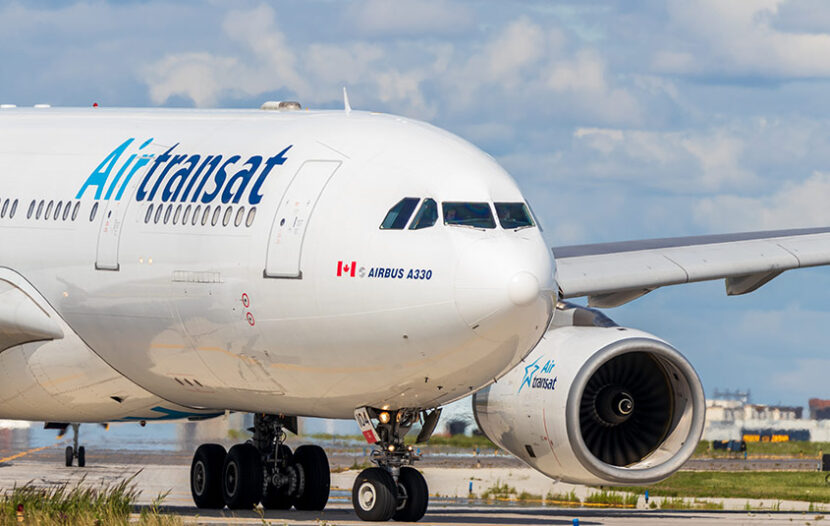
MONTREAL — Transat’s Q3 2026 costs are up by an extra $105 million year over year as a result of higher jet fuel prices, prompting the company to seek out “solutions” with the federal government.
Transat also estimates the cumulative impact of higher fuel prices on its costs at approximately $175 million at the end of the third quarter.
As reported earlier this week, while the price of oil has edged down from its spring highs, airlines are wary of lowering fares lest they set off a price war, driving down prices at a time when carriers are doing everything they can to recoup their jet fuel cost losses. IATA has said the jet fuel bill for the world’s carriers, amid oil supply and shipping constraints due to unpredictable access to the Strait of Hormuz, could be 40% higher in 2026 vs. 2025, from US$252 billion last year to $350 billion this year.
In a statement Transat notes that according to recent industry assessments, including those by IATA, volatility in energy markets is expected to continue putting pressure on jet fuel costs across the industry in both the short and medium term.
“The corporation’s ability to pass higher fuel costs on to customers has, to date, remained very limited. The company is actively engaged with the federal government to explore potential solutions in this regard,” said Transat.
Last month Transat announced it had secured up to $150 million in federal aid to help offset the soaring price of jet fuel caused by the Middle East war. The financial relief came several weeks after Ottawa announced a loan lifeline available to airlines struggling to cope with sky-high oil prices and the slashed flight schedules and lower profit forecasts that followed. Air Canada suggested earlier in the summer it would not need to draw on the aid, while WestJet said it opposes the move because of its market-distorting effects.
