





TORONTO — Sarah Marcucci was certain she’d hate Yellowknife, especially after temperatures plunged to an astonishing –40°C.
But a funny thing happened to G Adventures’ Communications Manager during her visit a few years ago: she ended up having one of the most transformative experiences of her life – because of the cold.
“It didn’t take away from my trip at all – it added a completely new layer of discovery and a unique way to connect with the world. Witnessing the Northern Lights in that environment was that ‘breakthrough’ moment for me,” she tells Travelweek.
No longer just a buzzword, these ‘coolcations’ are gaining in popularity as travellers swap scorching beaches for crisp air, fewer crowds and immersive experiences. According to new data from Trip.com Group, searches for cooler destinations are up 74% year-over-year since the start of 2026, and that figure is expected to surge even further during peak summer months, following a 237% spike in searches between June and August last year compared to 2024.
The shift comes as climate concerns intensify. With experts projecting 2026 will rank among the hottest years on record, travellers are rethinking when and where they travel — and why.
‘COOL’ DESTINATIONS SEE RISING DEMAND
Trip.com’s data shows strong growth in interest for cooler European destinations like Iceland, Norway, Slovenia, Switzerland and Wales. Iceland alone has seen an 85% increase in global flight searches for summer travel.
The trend extends beyond Europe with Asian destinations like Inner Mongolia, Sapporo and Yunnan also gaining traction and offering milder summer temperatures alongside scenic landscapes.
Tour operators are seeing similar patterns play out in bookings.
“There is definitely growing interest,” says Renee Stanton-Defaria, Director of Sales at Goway. “Extreme heat can really have a negative impact on your travel experience, and often these high temperatures align with peak season and crowds.”
She notes that Canadian travellers are increasingly open to adjusting both destination and timing. “In Europe, it’s the northern countries in the summer or southern countries in the off-season. And for truly cool ‘coolcations’, Europe in the winter is wonderful – we’re seeing increased demand for winter festivals and special events.”
Marcucci echoes that sentiment, noting how destinations like Iceland and the Scottish Isles are seeing traction for their “otherworldly landscapes.” But what’s really having a moment right now is the Arctic, which has seen massive demand ever since G Adventures announced last summer its highly anticipated return to the region.
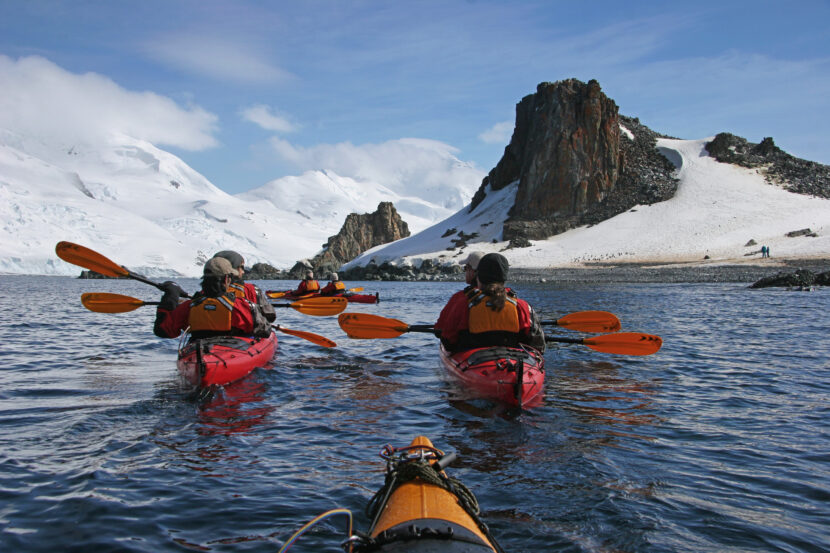
“The response has been incredible. It’s hard to argue that transformative potential of a Zodiac excursion to the face of a glacier or seeing a polar bear in the wild. It perfectly fits that mindset of chasing wonder,” she says.
OFF-SEASON AND SHOULDER TRAVEL APPEAL
Beyond destination swaps, timing is becoming just as important.
“In Australia, we’re seeing more people travel in the off-season,” says Stanton-Defaria. “You get cooler temperatures in cities like Sydney and Melbourne, lower crowds and still plenty of sunshine. At the same time, travellers can head north to places like the Great Barrier Reef where the water stays warm.”
She adds that destinations such as Japan and South Korea are evolving into year-round options, driven by sustained demand across seasons.
Marcucci is seeing a similar trend with traditional destinations during non-traditional windows.
“A great example is our ‘Local Living Amalfi Coast’ trip, where we’ve introduced a winter departure. By leaning into the slightly cooler temperatures, we’re able to offer a version of the Amalfi Coast that most people never see, with fewer crowds and a much more authentic, local feel,” she says.
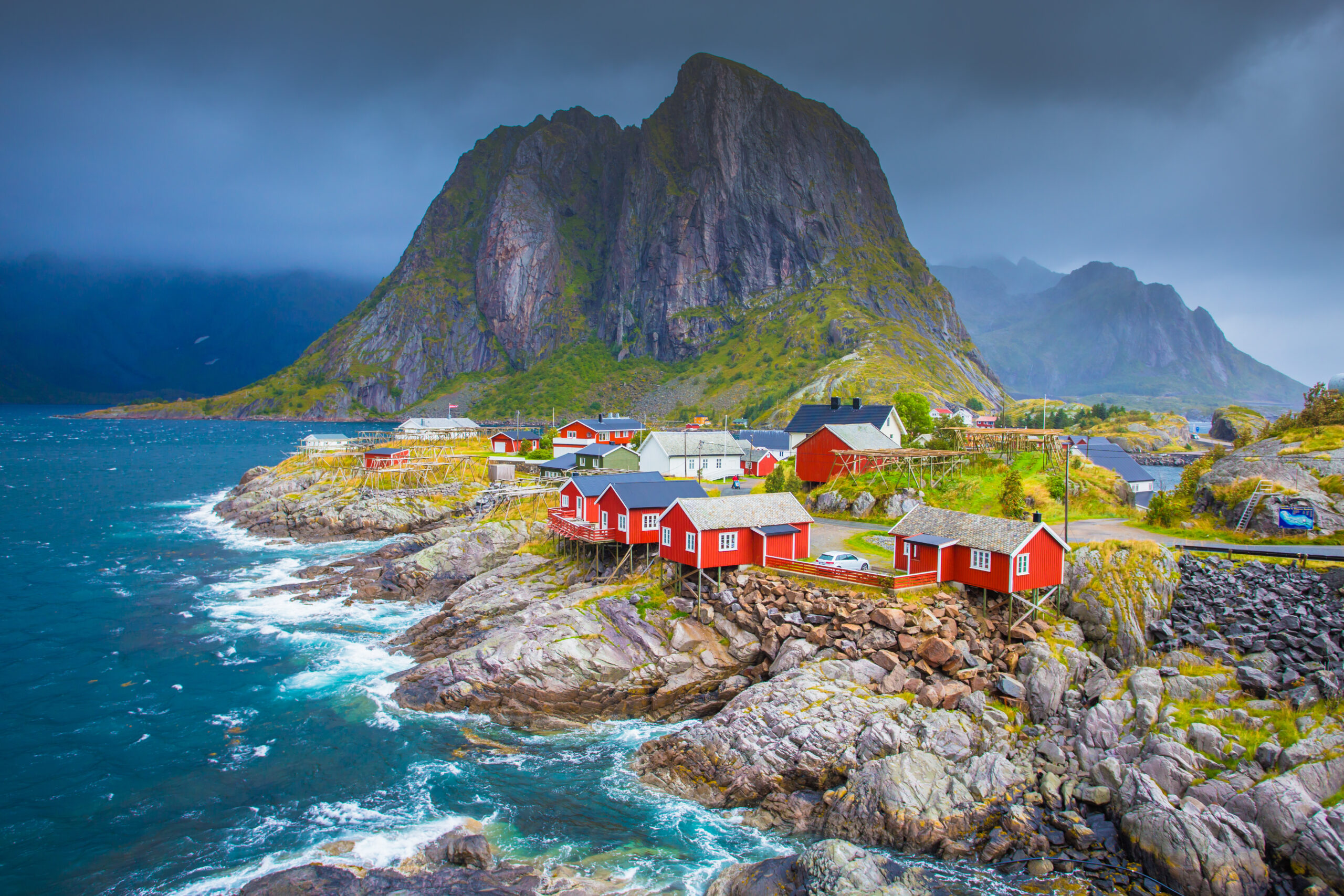
Lofoten Islands, Norway
A SHIFT IN TRAVELLER MINDSET
For Canadian travellers, the move toward cooler destinations isn’t just about escaping the heat.
“We’re definitely seeing a shift, but it’s driven by something much deeper than just the rising thermometer,” says Marcucci. “Travellers are looking for a ‘breakthrough,’ not just a break.”
That distinction is key. While traditional sun vacations still hold appeal, Marcucci says more Canadians are seeking experiences that contrast sharply with their everyday lives.
“For Canadians, that could mean trading the sweltering 40°C heat of a Mediterranean beach for the crisp, restorative air of the Arctic or the Scottish Isles,” she says. “It’s less about beating the heat and more about chasing a sense of wonder in landscapes that feel untamed and new.”
She adds that these destinations often come with the added benefit of fewer crowds, allowing travellers to prioritize discovery over downtime. “We’re seeing people choose the emotional high of trekking a glacier or exploring a remote coastal village over the passive relaxation of a standard resort.”
SOFT ADVENTURE & SUSTAINABILITY
Another factor driving the coolcation trend is the rise of “soft adventure” – travel that blends light physical activity with cultural immersion.
“Across the board, soft adventure is a rising trend, and it aligns especially well with ‘coolcations’,” says Stanton-Defaria. “Moderate activity levels are simply more enjoyable in milder weather.”
Environmental awareness is also playing a role. Trip.com data shows that nearly half of travellers now prioritize environmental protection, while more than a third value cultural preservation – signalling a broader shift toward more responsible tourism choices.
HERE TO STAY?
While ‘coolcations’ may seem like just a passing fad, industry insiders suggest it has staying power.
“As tourism continues to boom, Canadians are broadening and diversifying their travel styles,” says Stanton-Defaria. “We see ‘coolcations’ as part of an enduring trend as travellers seek out unique and memorable experiences.”
Marcucci agrees, noting how she hasn’t been able to stop recommending Yellowknife since her return.
“That’s exactly how this trend will sustain itself. It’s built on the word-of-mouth of people who realized that you don’t need a tropical beach to fid true wonder,” she says. “As more travellers trade the heat for these crisp, clear moments of discovery, ‘coolcations’ could shift from a seasonal buzzword to a permanent way of exploring the world.”
Lead image caption: Kayaking in Antarctica — CREDIT G Adventures
