





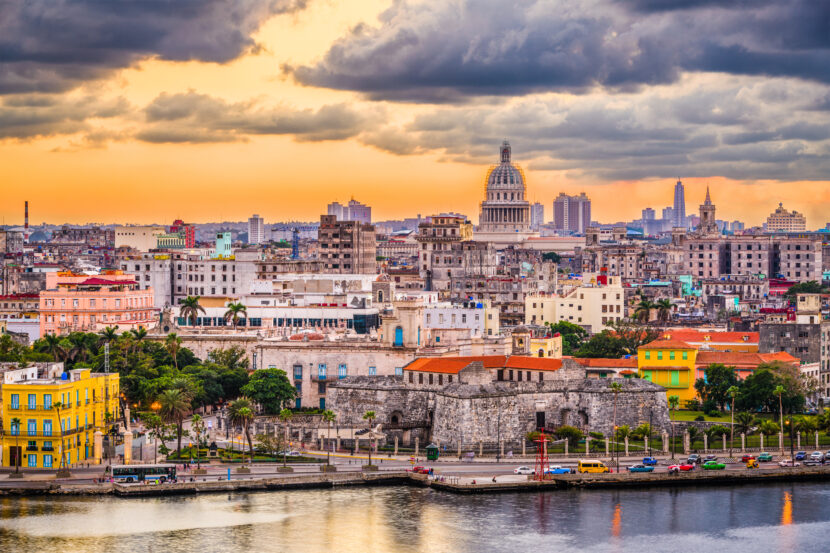
TORONTO — ʻResilience and renewal’: That was the Cuba Tourist Board’s theme as it announced FITCuba 2026 would go ahead next month, as a hybrid event.
The Canadian travel industry can vouch for Cuba’s resilience. Canadian travel professionals and travellers are no doubt hoping for renewal for the island too, amid word of talks between Cuba and the U.S., confirmed by the Cuban government in mid-March.
It’s important to note, however, that so far the Canadian government’s travel advisory level for Cuba remains at orange (avoid non-essential travel). The island’s energy and economic crises were underlined last month by an island-wide blackout.
Two months ago Canada’s airlines repatriated thousands of travellers back to Canada, after Cuba warned that due to the oil blockade it would no longer have enough fuel to refuel international aircraft.
For now Air Canada has suspended its Cuba operations until Nov. 1. Hola Sun has also temporarily suspended its Cuba operations. Sunwing Vacations and Vacances WestJet Québec and Air Transat so far say they plan to restart vacation operations into Cuba effective June 20.
As reported last week, the hybrid FITCuba 2026 will include two days of online presentations and networking, May 7-8. FITCuba’s in-person event will take place in Josone Park in Varadero on May 9.
Travelweek checked in with the Director of the Cuba Tourist Board in Toronto, Gihana Galindo, to get the latest on how this long-time favourite sun destination from Canada is weathering the current conditions.
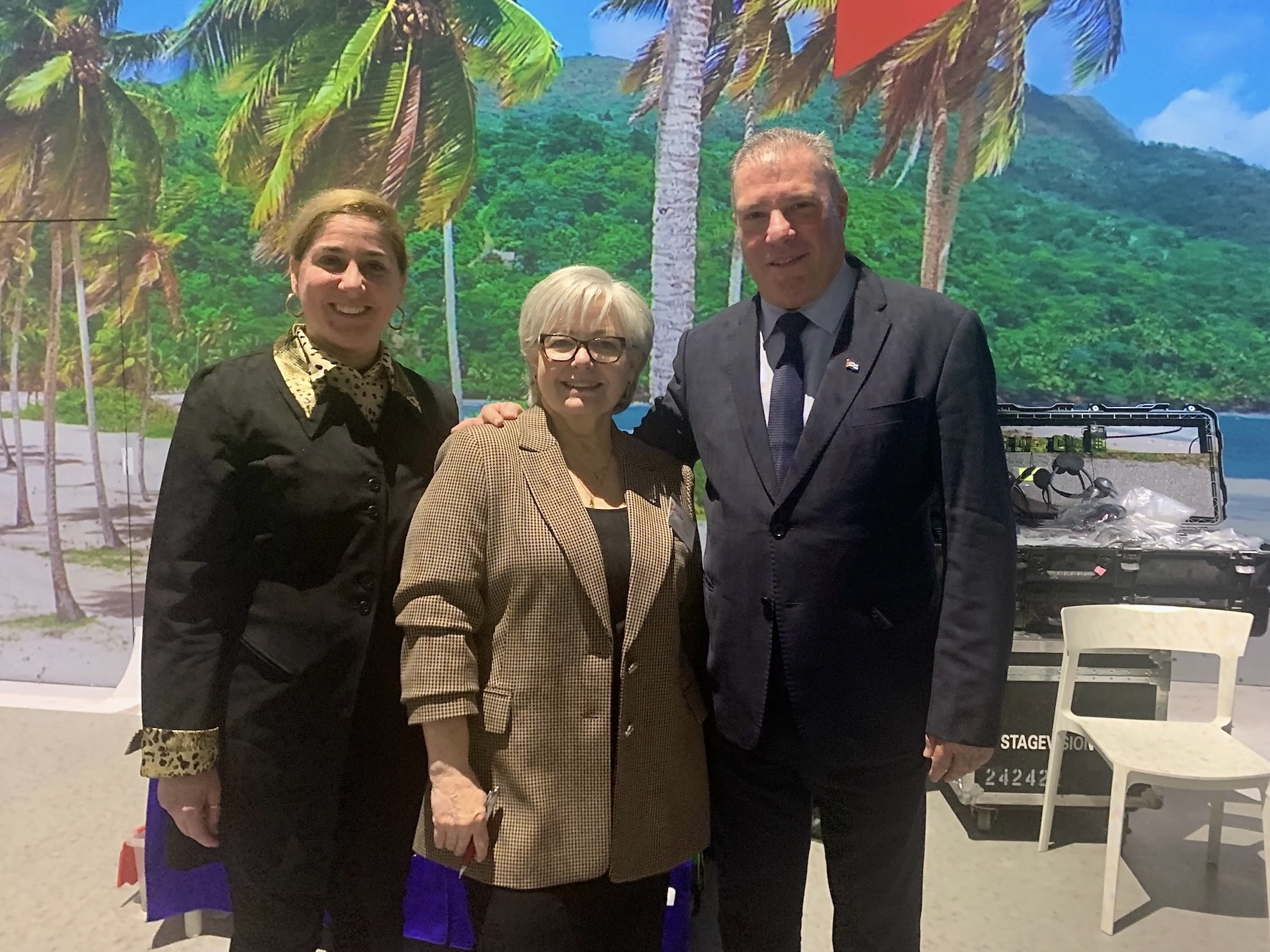
The Cuba Tourist Board’s Gihana Galindo (left) and Nieves Ricardo (centre) with Cuba’s Minister of Tourism, Juan Carlos García Granda (right) at Cuba Unica Trade Appreciation Night in Toronto in November 2025
“WE ARE INSPIRED BY THE THOUSANDS OF CANADIANS WHO CONTINUE TO ARRIVE IN CUBA VIA PANAMA, MEXICO AND THE U.S.”
“The Canadian travel industry’s deep-rooted connection to Cuba is something we value immensely,” Galindo told Travelweek.
“While we are navigating a complex geopolitical landscape that has impacted our tourism sector – particularly following the temporary suspension of direct flights from Canada – we are actively adapting to this new reality,” she said.
“Our international airports remain fully operational, welcoming over 20 airlines daily, that have adjusted their schedules to ensure continued connectivity. Today, Cuba maintains strong links through the U.S., Europe, Asia, and Latin America, with operations focused primarily on the vibrant hubs of Havana and Varadero,” said Galindo.
She said the Toronto office is working closely with travel advisors and passengers to navigate this transition, providing guidance on alternative routes, e-Visas and logistics.
“We are inspired by the thousands of Canadians who continue to arrive via Panama, Mexico and the U.S., often on solidarity missions,” she added. “This movement reflects the unbreakable bond between our two nations. Whether for vacations or family visits, the feedback from Canadians currently on the island remains positive.”
“OUR PRIMARY GOAL FOR WINTER 2026-2027: A FULL RETURN OF MAJOR CANADIAN CARRIERS AND TOUR OPERATOR PACKAGES”
Talk about resilience. She told Travelweek that many private hostels and restaurants in Cuba have installed solar panels to ensure uninterrupted service. “While global fuel fluctuations have influenced pricing, the availability of reliable transport remains certain. This spirit of creativity allows visitors to experience an authentic Cuba that is more resilient and welcoming than ever.”
The start of the 2026-2027 winter season is 7 months away. We asked Galindo for her take.
“Our primary goal is to see a full return of major Canadian carriers and tour operator packages, and we are working tirelessly to make that a reality,” she said. “We are looking toward the winter 2026-2027 season with great optimism.
“Currently, hotel chains and tourism partners are already finalizing contracts and investing in significant infrastructure improvements to ensure the destination is at its best.
“We know that when the flights return, Canadian travellers will follow. The daily messages of support we receive are a testament to their desire to return.”
HOW TO HELP
We also wanted to know what the Canadian travel industry can do to help Cuba.
“The most impactful thing the industry can do right now is to keep the lines of communication open. We encourage our partners to stay informed and continue sharing accurate, up-to-date destination highlights with travellers who are eager to visit,” said Galindo.
She also encouraged the travel trade to tune in for FITCuba 2026. Travel professionals can access the specialized platform at FITCuba.net. For inquiries or professional registration, email info@gocuba.ca.
She added that while the Cuba Tourist Board in Toronto keeps its focus trained on tourism operations, it’s happy to direct those interested in humanitarian support to reputable organizations. “Groups such as Not Just Tourists and the Canadian Network on Cuba are doing vital work coordinating medical supplies and solar energy initiatives,” she said.
Galindo said anyone looking for more information on these efforts can reach out to Samantha Hislop at hislopsamantha@gmail.com.
