





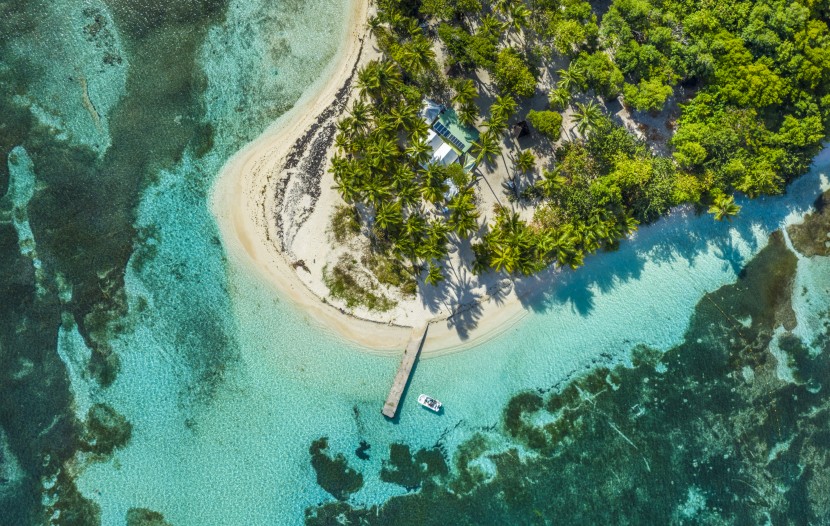
BASSE-TERRE — In the Caribbean, the islands of Guadeloupe shine with their abundant natural beauty, vibrant culture, unspoiled soul and warm atmosphere.
And what better way to spend a cold and wintry day in Canada than looking at pictures of Guadeloupeʻs beautiful blue skies, crystal clear water and welcoming locals?
With that in mind, hereʻs a beautiful visual tour of the islands of Guadeloupe …
Butterfly Island
This is the nickname given to Guadeloupe, or at least its two main islands, whose evocative shape speaks for itself. The ʻlittle thoraxʻ represents the point of attachment where the international airport is located and, right next to it, Pointe-à-Pitre, the air gateway and a bustling city.
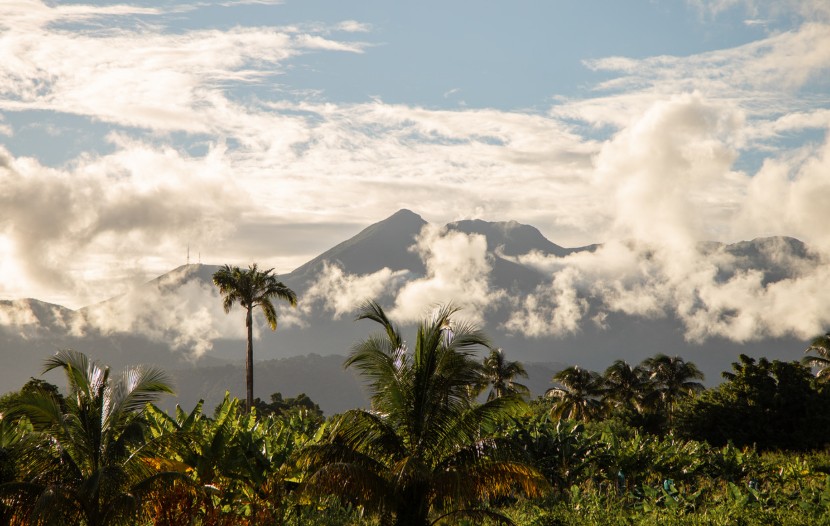
The two large contrasting wings are formed, to the east, by Grande-Terre, flat and bordered by long beaches and conducive to relaxation, water sports and seaside life, as in Gosier, Sainte-Anne or Saint-François.
©AURELIEN_BRUSINI
To the west, the ʻwingʻ of Basse-Terre is very mountainous – contrary to what its name might suggest – and is covered in rainforests dotted with waterfalls, hiking trails, and the famous Soufrière volcano. The Guadeloupe National Park, a UNESCO World Heritage Site, covers a large portion of this part of the island.
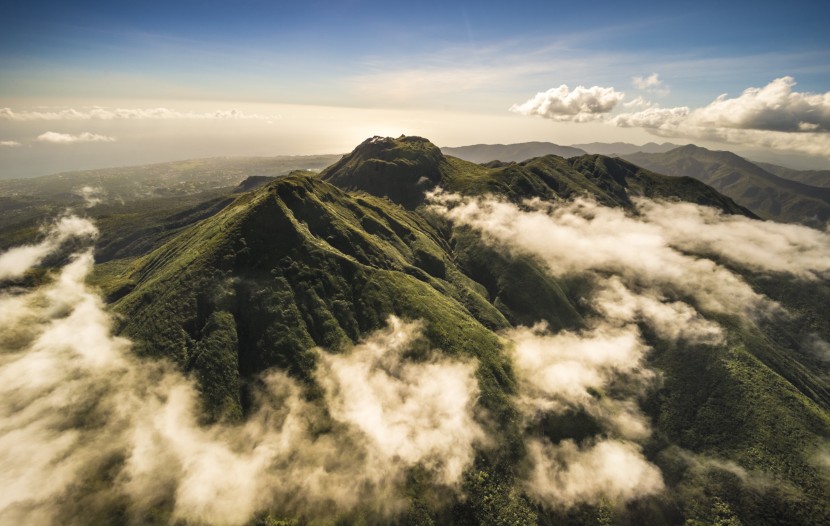
Aerial view from south to north of the clear summit of La Soufrière. ©AURELIEN_BRUSINI
Exceptional seabeds
Renowned for their superb underwater landscapes, the Guadeloupean coasts offer numerous underwater sites to explore with a mask on, from Les Saintes to Marie-Galante, passing through La Désirade and the Leeward Coast.
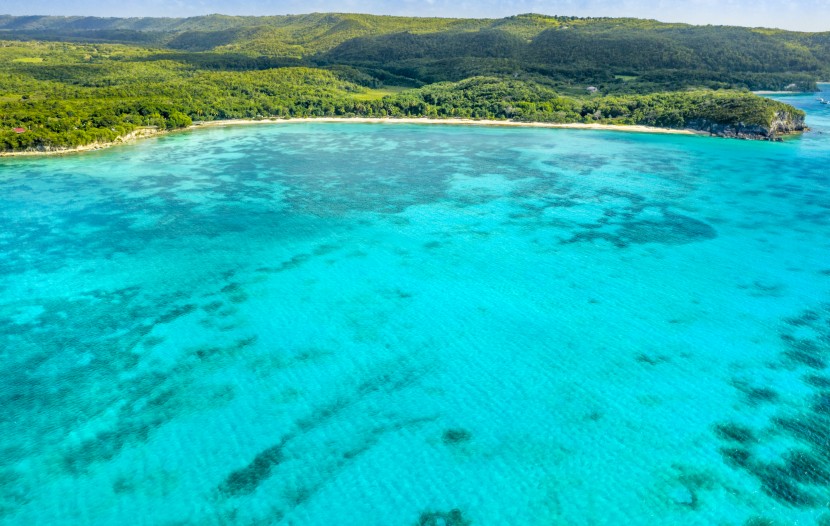
©AURELIEN_BRUSINI
In Bouillante, a charming fishing village, you can swim in naturally heated pools or enjoy Malendure beach, just a few kilometres away. But the real highlight is heading to the Pigeon Islands Reserve, a world-renowned site for scuba diving and snorkelling. Its clear waters and marine biodiversity can also be admired from glass-bottom boats.
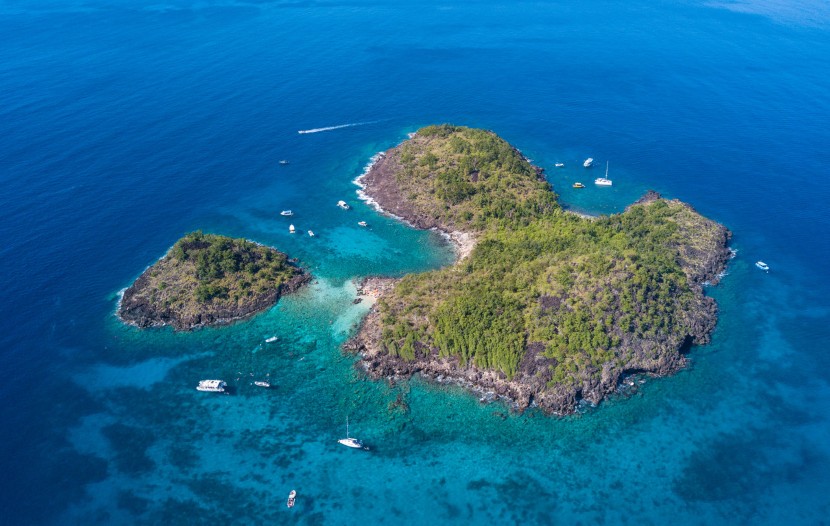
©Guillaume Aricique
Charming villages
On both sides of the islands of Guadeloupe, there is no shortage of pretty villages.
On Basse-Terre, the small fishing port of Deshaies remains one of the most picturesque: Creole houses, a historic church, an idyllic beach and a magnificent botanical garden have forged its reputation.
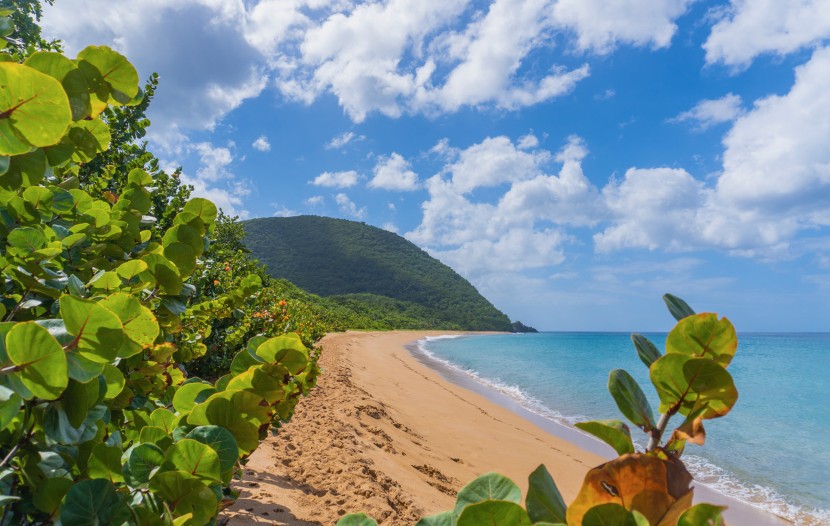
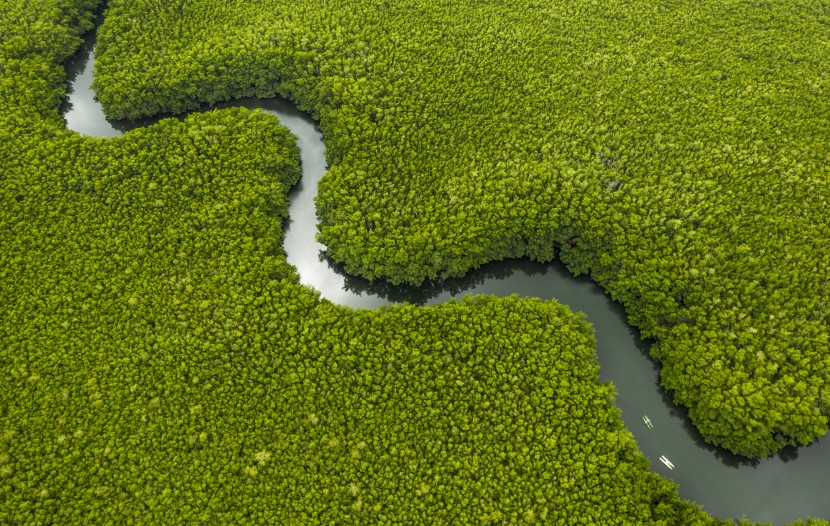
A large fishing village and home to several distilleries (notably the Reimonenq distillery and its rum museum), Sainte-Rose blends rural charm with unspoiled nature. It also serves as the starting point for boat excursions into the mangroves of the Grand Cul-de-Sac Marin and to the Caret and Blanc islets.
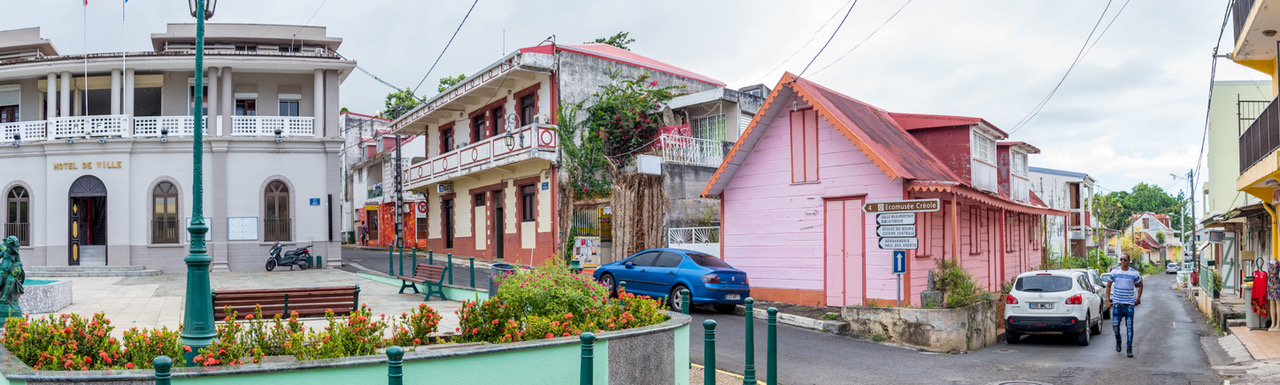
©Guillaume Aricique
Founded in 1636, Vieux-Habitants is the oldest village in the Guadeloupe islands. Surrounded by coffee and cocoa plantations, it is particularly popular for its Maison du Café Chaulet and its Domaine de Vanibel, but the village’s beautiful colonial church, recently renovated, is also worth a visit.
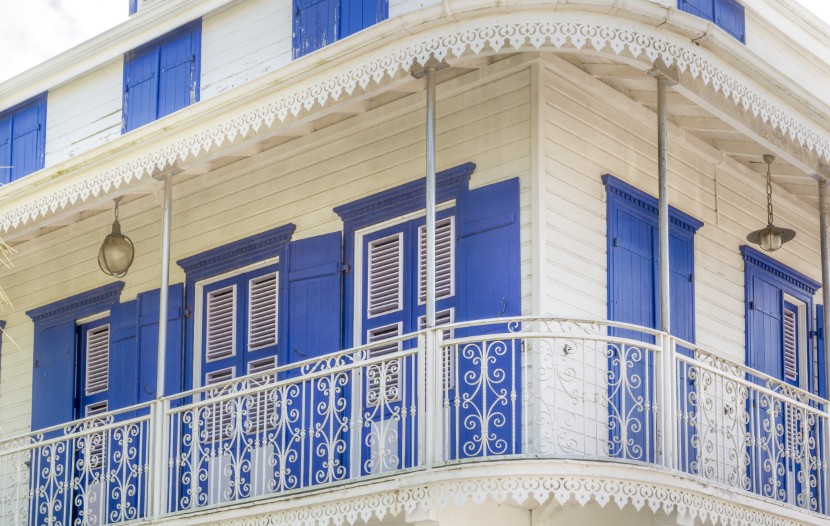
Crele architecture in Port-Louis ©Aurelien Brusini
A charming seaside resort with a marina, night market and superb beaches, Saint-François is located not far from Pointe des Châteaux, which offers one of the most spectacular panoramas in Guadeloupe, north of Grande-Terre.
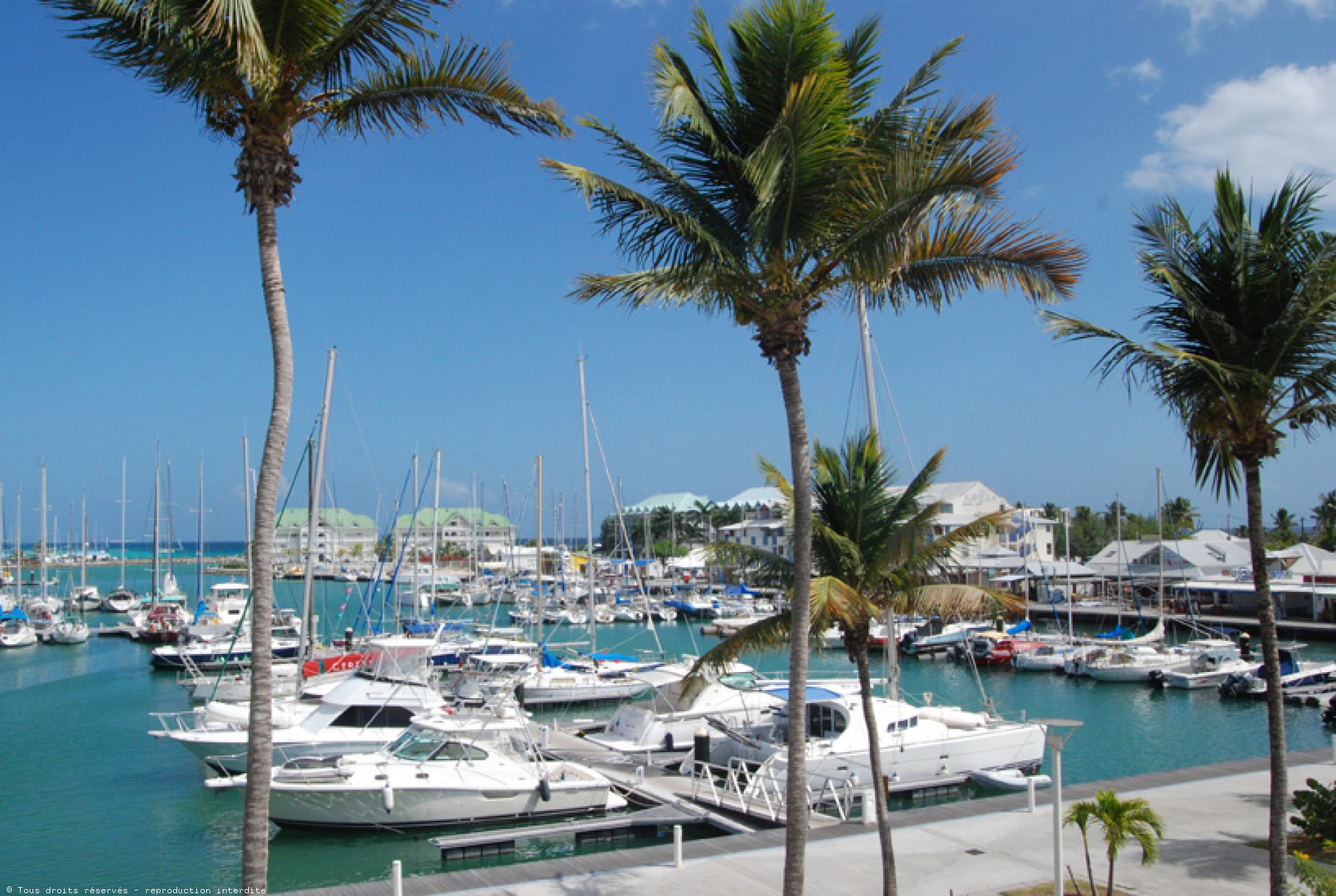
A former sugar port with a well-preserved centre, Creole wooden houses, and a vibrant local atmosphere, Le Moule is also a popular surfing spot. The town is home to the Edgar Clerc Museum, dedicated to pre-Columbian culture.
©Guillaume Aricique
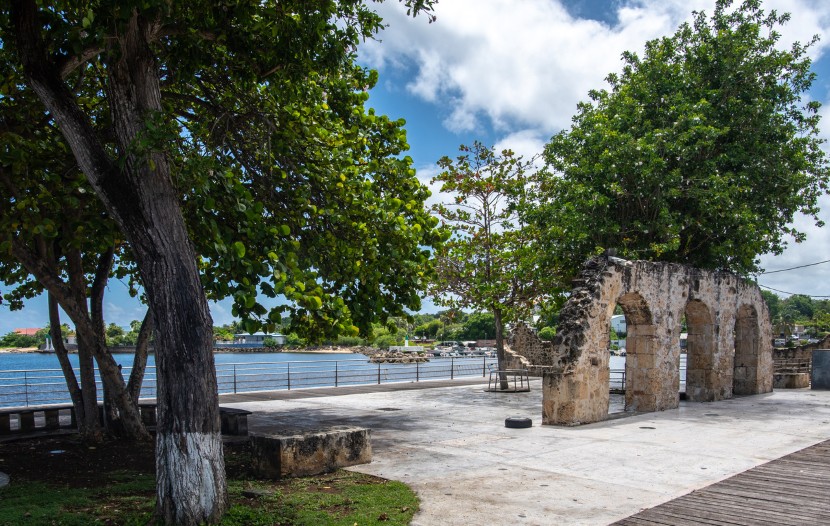
Finally, still in Grande-Terre, the charming village of Port-Louis embodies the quintessence of tranquility and relaxation.
Credit: Gary Lawrence
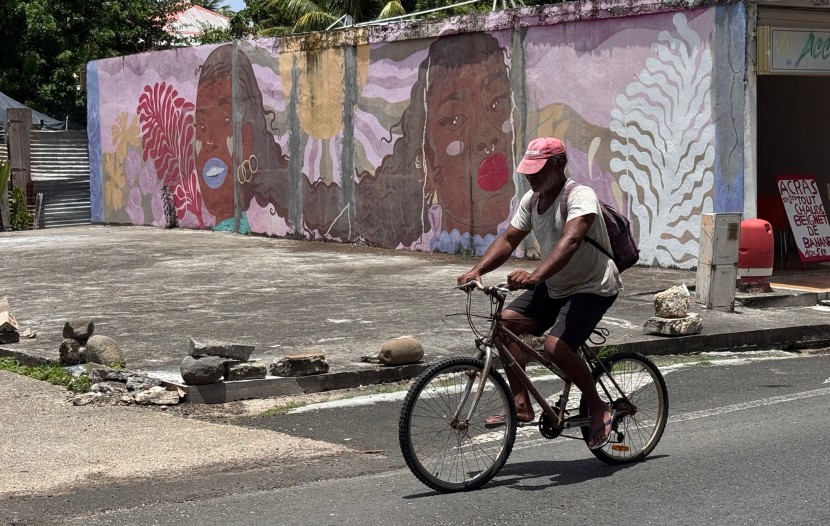
Between the low houses with facades washed out by the salty air, everything seems asleep under the heavy sun, except at the pretty municipal beach where kiosks selling sorbets and other delicacies jostle for space, and where Guadeloupeans gather with their families.

Credit: Gary Lawrence
Getting around is easy
Getting around and connecting all these villages couldn’t be easier: the islands of Guadeloupe are like France in the tropics. More often than not, the road infrastructure is therefore quite good, and the road network is extensive and in good condition; around Pointe-à-Pitre, there are even motorways, which says it all.
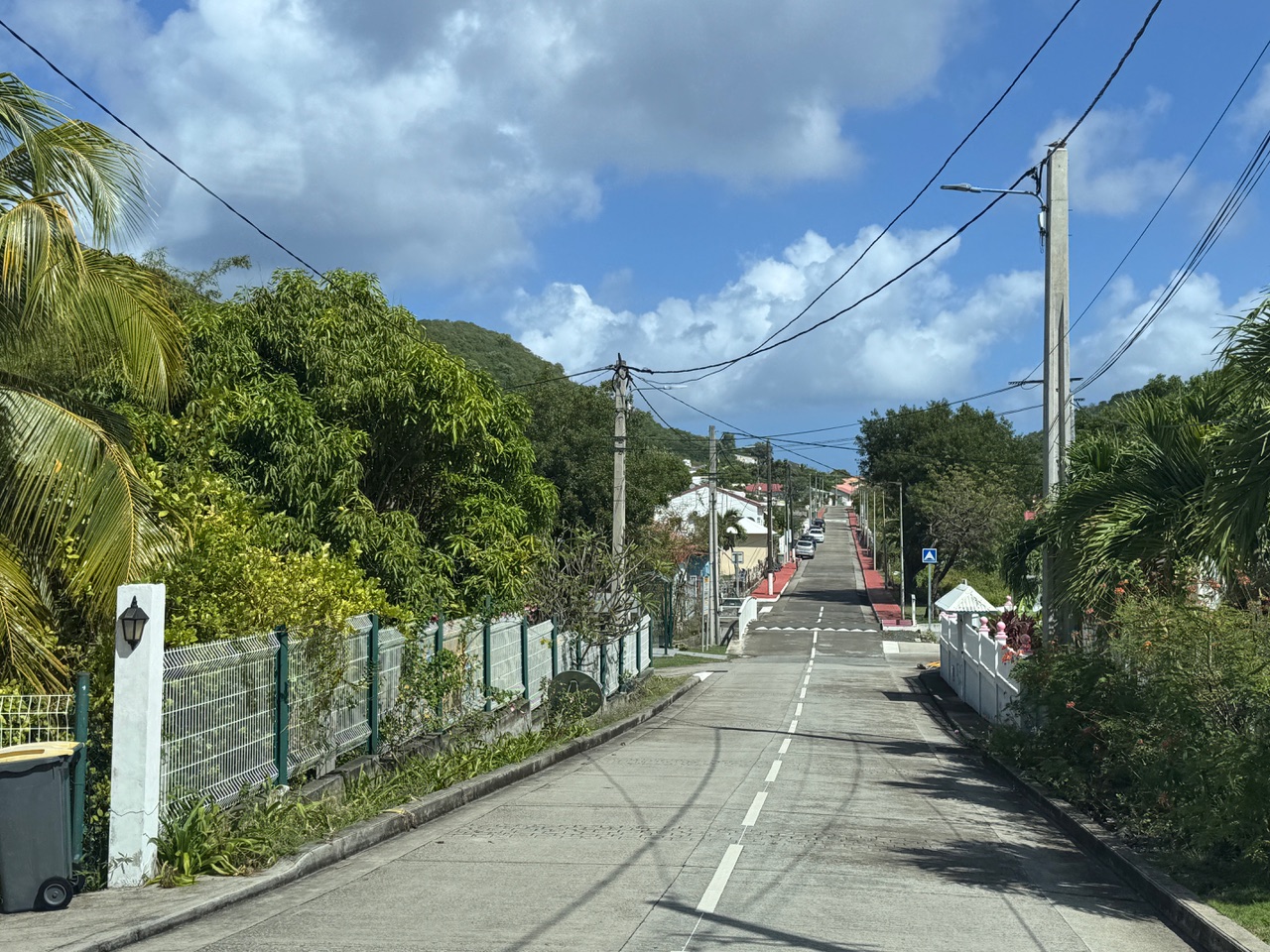
Credit: Gary Lawrence
The roads are well signposted and several scenic stretches offer moments of grace, such as along the west coast of Basse-Terre or in the north of Grande-Terre, wild and bordered by high cliffs.
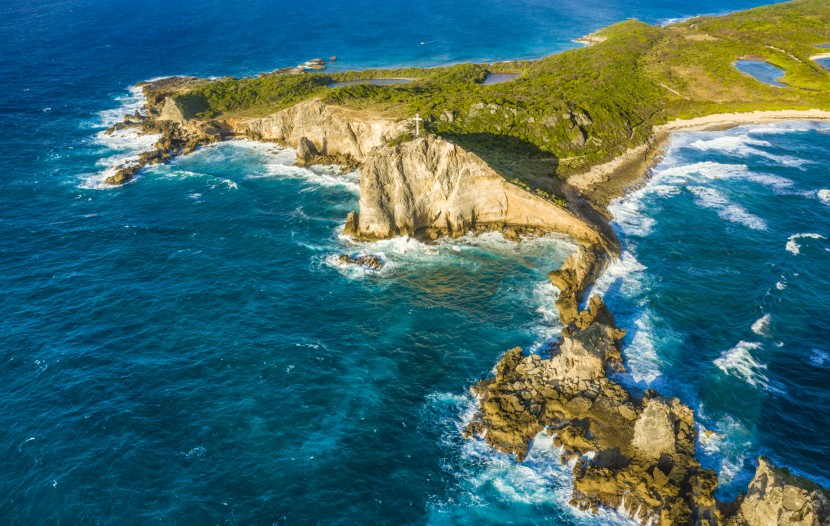
Pointe des Châteaux, Grande-Terre ©Aurelien Brusini
On the other hand, it is sometimes necessary to plan your journeys to avoid traffic jams that can form here and there, at peak times around Pointe-à-Pitre, for example.
Relaxing on the beach
While there are many better things to do in Guadeloupe than simply basking in the warm sand, several beaches are worth a visit. Besides those already mentioned, the destination boasts many other beautiful stretches of sand.
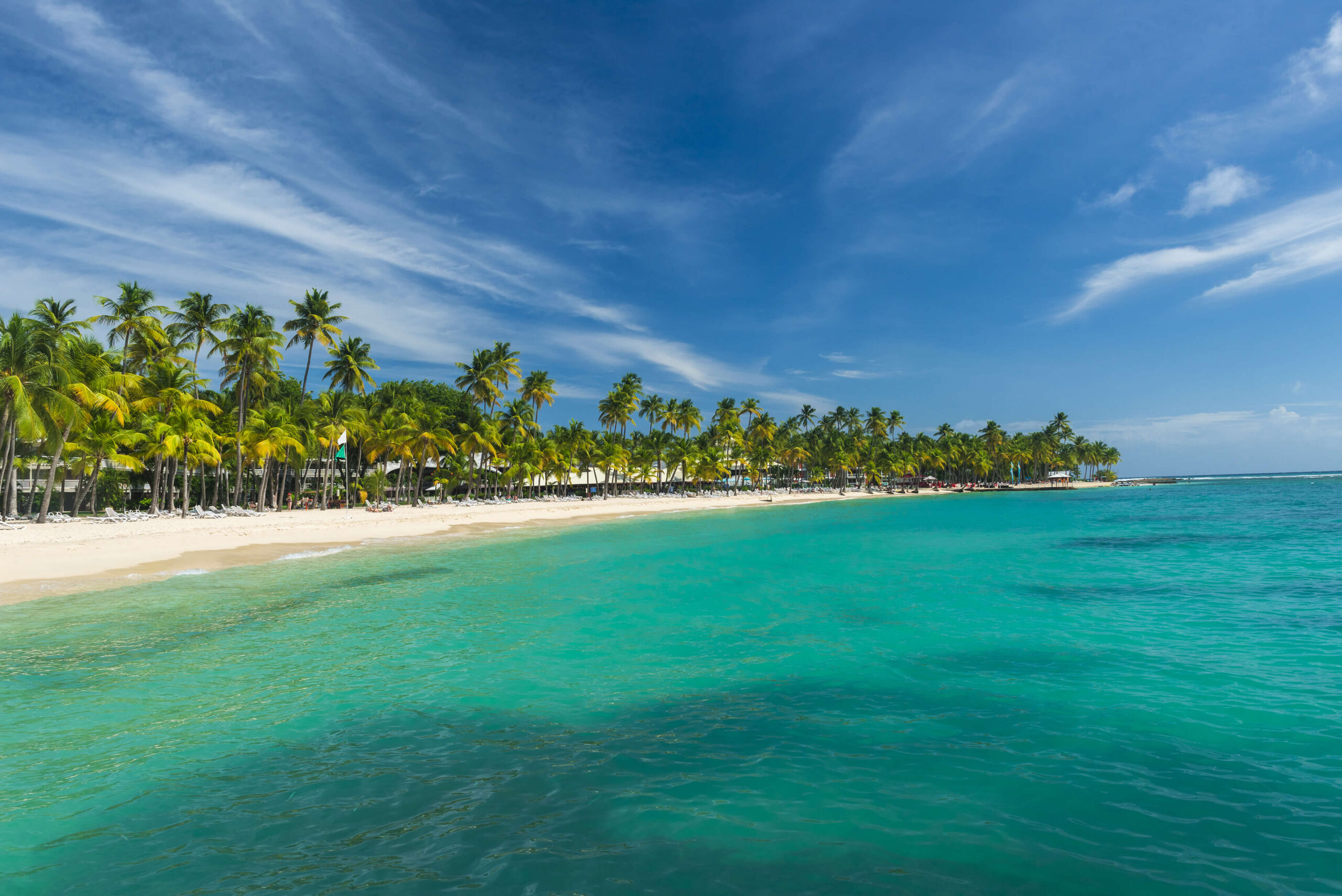
On Grande-Terre, the Caravelle beach in Sainte-Anne shines with its white sands, shallow turquoise waters and lively atmosphere with restaurants and good infrastructure for families.
In Saint-François, the Salines beach is among the most beautiful, thanks in particular to its spectacular setting.
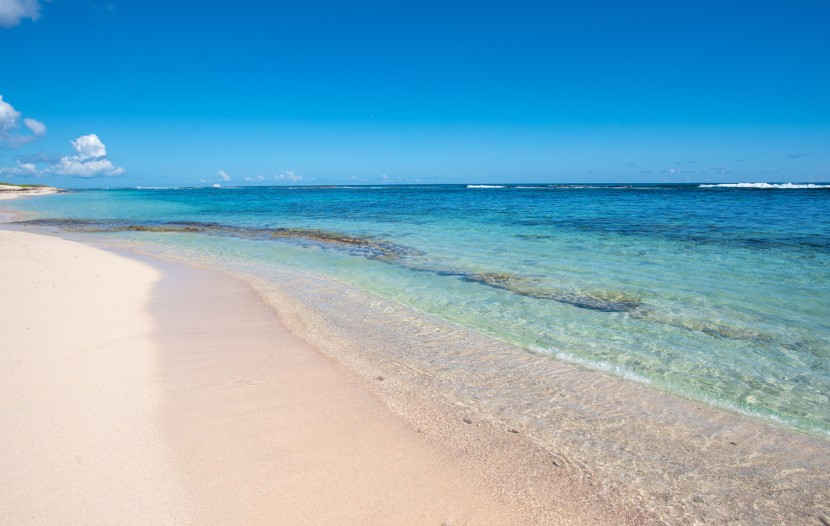
©Guillaume Aricique
Not far from Deshaies, in Basse-Terre, the Plage de la Perle is among the most legendary of the islands of Guadeloupe, with its sands, here dark and volcanic, there blond.
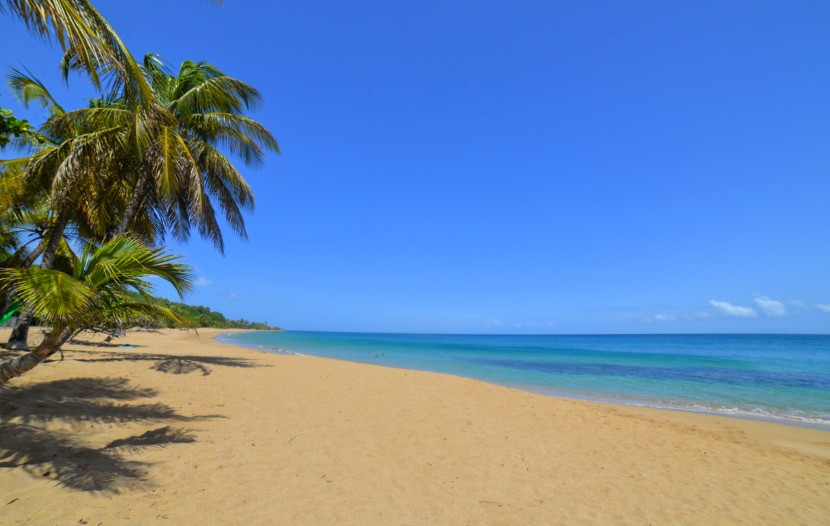
©Guillaume Aricique
In the south, Trois-Rivières is known for its black sand beaches, but also for its Bologne distillery and its archaeological heritage of indigenous petroglyphs.
Finally, while Les Saintes also has some beaches worthy of the name, those of Marie-Galante are downright splendid and, above all, so little frequented that one would often think they were untouched, in places and at times.
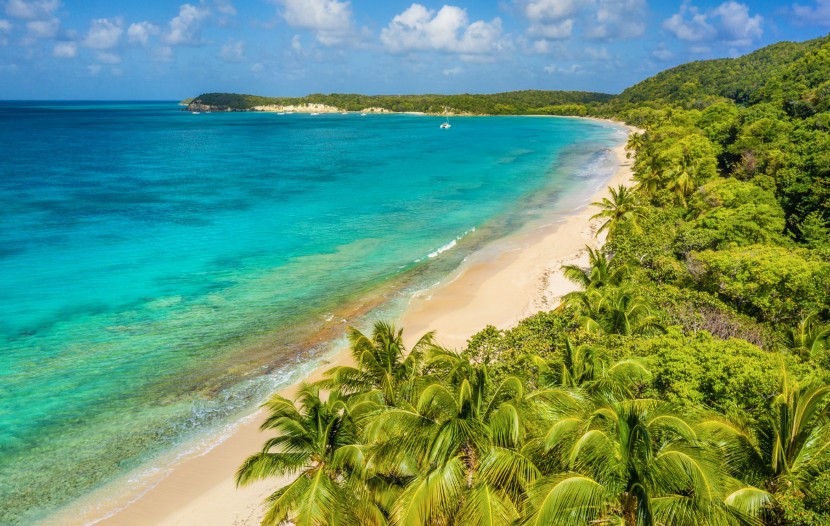
Vieux-Fort beach, nestled in the north of Marie-Galante ©Aurelien Brusini
Delicious cuisine
One of the great pleasures of traveling to the islands of Guadeloupe is the food: the local cuisine, a true fusion of African, Indian, and French flavours. Cod fritters, lobsters, moltani (a soup made with goat and lentils), smoked chicken thighs, and other octopus stews are just some of the delicacies to savour.
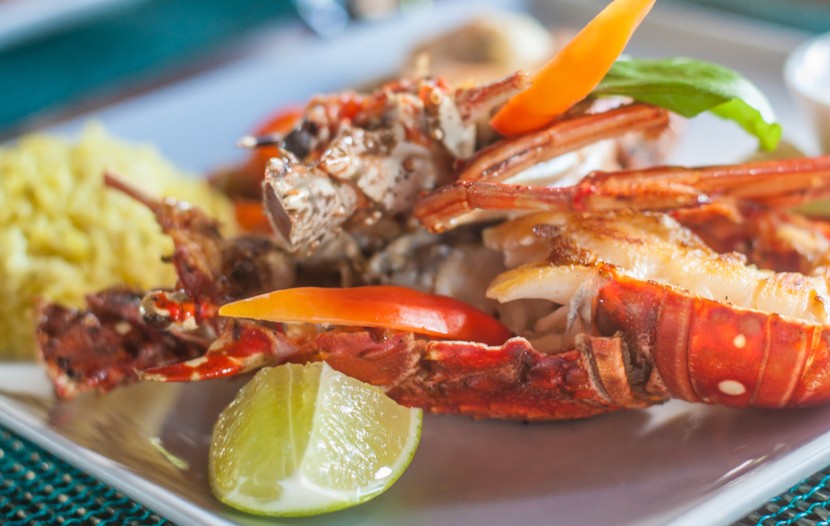
©Guillaume Aricique
Since we’re here in France, we can easily treat ourselves to a duck breast, enjoy a warm baguette, or bite into decadent pastries and viennoiseries. Guadeloupean rums – which come mainly from Marie-Galante – are world-renowned.
So we don’t forget
One of the most significant places in the history of slavery in Guadeloupe, Petit-Canal, is famous for its Slave Staircase, its church and its old port, which bear witness to its sad past.
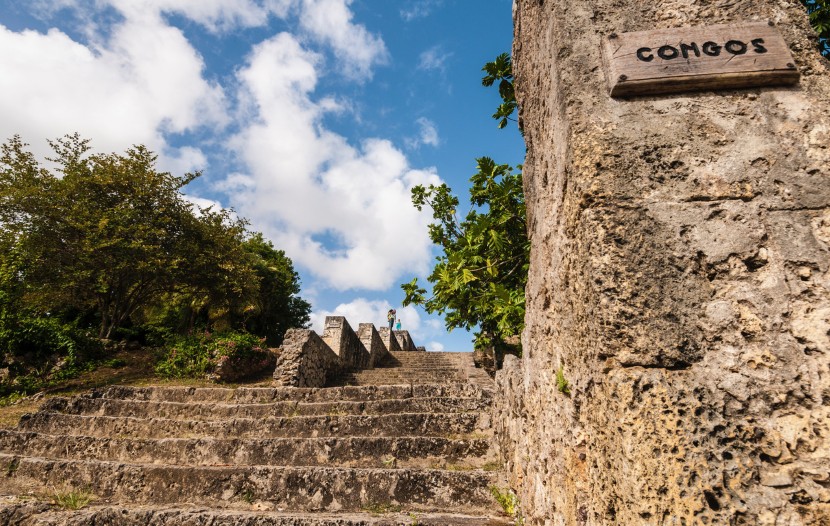
Along the way, the Morne-à-l’Eau cemetery intrigues with its tombs, gravestones, family vaults and other mausoleums covered with black and white tiles.

Credit: Gary Lawrence
Still within the realm of heritage tourism, the impressive ACTe Memorial in Pointe-à-Pitre sheds light on the history of slavery, not only in the islands of Guadeloupe but also elsewhere in the Caribbean. Recently opened, it is housed in a superb building reminiscent of the magnificent MUCEM in Marseille.
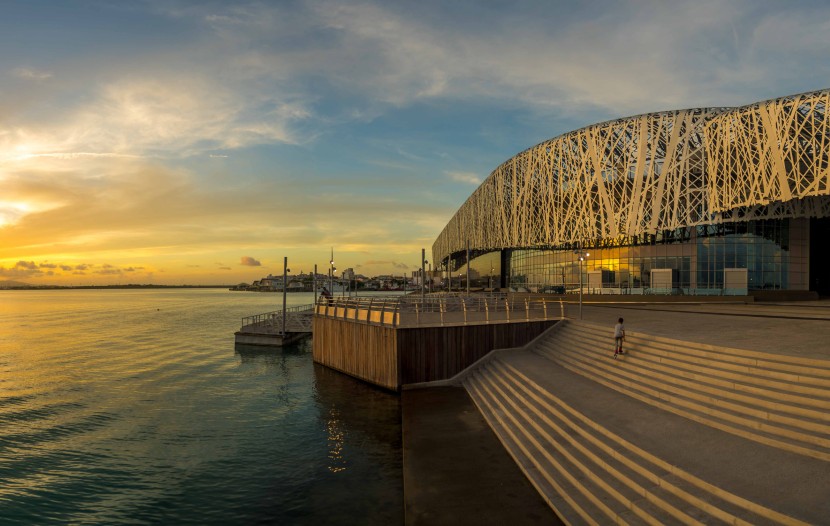
©Guillaume Aricique
Sweet dreams
Located between Antigua and Barbuda and the island of Dominica, the islands of Guadeloupe have never really developed excessively, from a tourist point of view.
Apart from Gosier, where several hotels and resort complexes are grouped together, and Sainte-Anne, where the Club Med La Caravelle is located, the archipelago has few large hotel infrastructures.
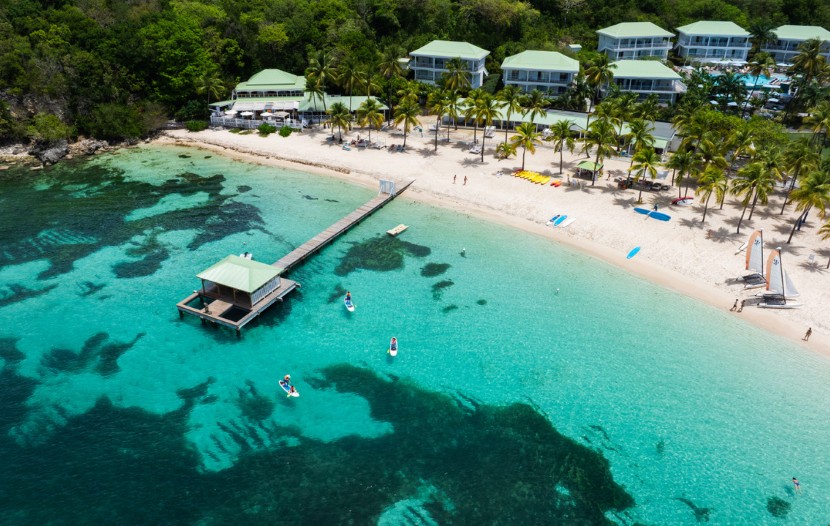
On the other hand, when it comes to hostels, charming small residences, guesthouses, and other bed and breakfasts, you’re very well catered for. Two good examples:
Habitation la Manon , Pointe-Noire (Basse-Terre)
Located at the end of a steep road in the village of Acomat, the very pretty cottages and villas on this site were all designed and furnished by an architect – the same one who renovated the house of Robert Charlebois, a part-time resident of Deshaies, not far from there.
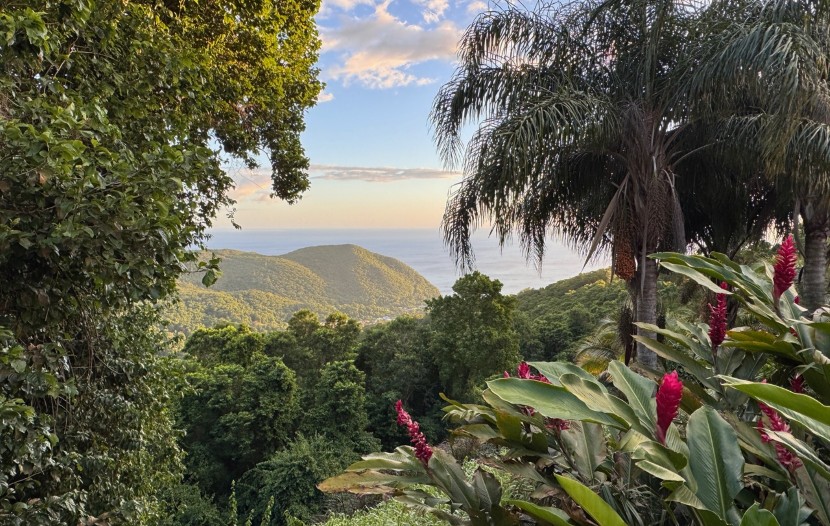
Credit: Gary Lawrence
Perched atop a ridge, these cottages and villas are little gems of Creole charm, built entirely of wood, with a small private pool, a four-poster bed (sometimes), a veranda with breathtaking views, flowery surroundings and total tranquility – only the croaking of frogs and the rustling of cicadas provide background noise, when the rain drums peacefully on the roofs.
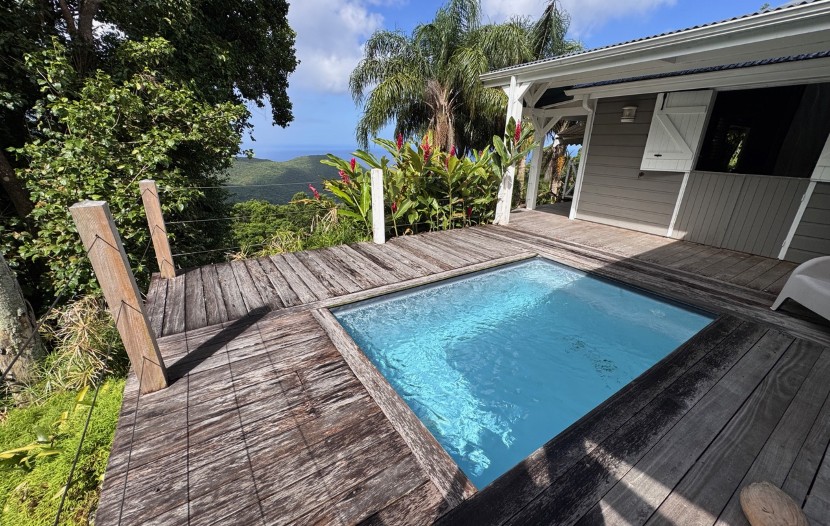
Credit: Gary Lawrence
Bernadette, the very kind owner – an adorable nonagenarian of white Creole descent whose family settled in Martinique in 1636 (!) – prepares excellent breakfasts and also occasionally offers artists’ workshops and cultural events or meetings with musicians, artists…
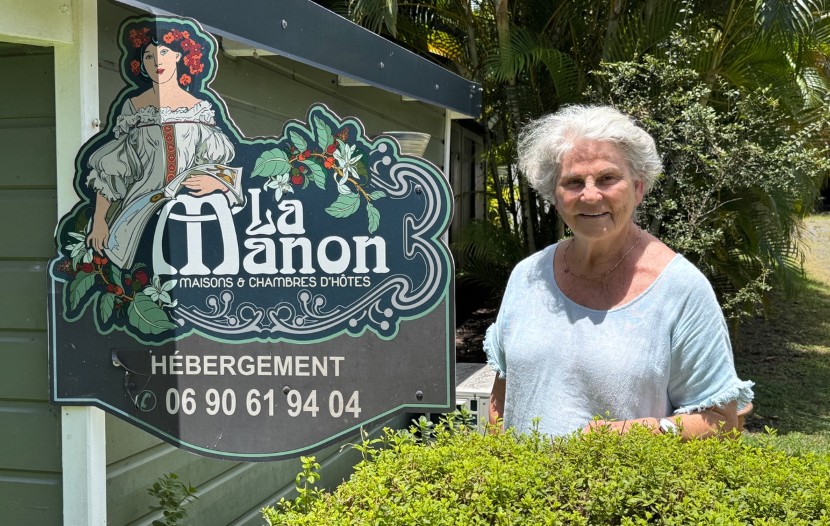
Credit: Gary Lawrence
Attention interested parties: his business and villas are for sale.
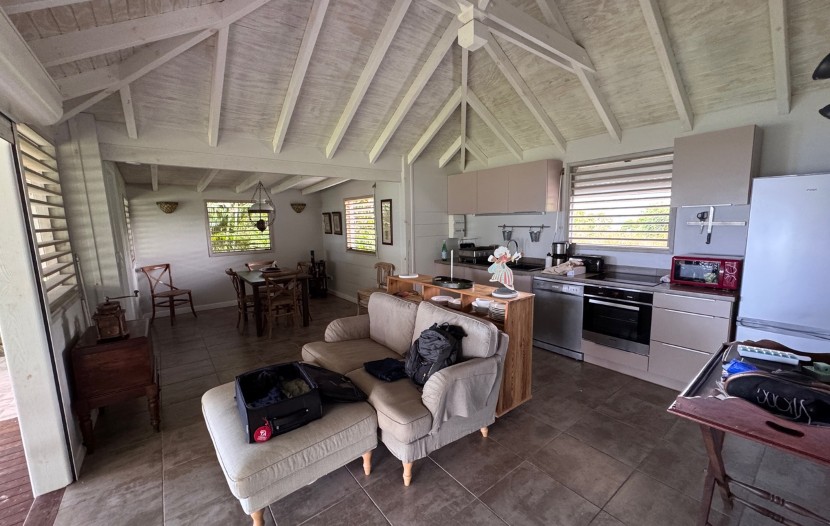
Credit: Gary Lawrence
Domaine d’Amouw, Petit-Bourg (Basse-Terre)
Located at the end of a series of remote roads (but still 20 minutes from Pointe-à-Pitre), and along a steep path leading to a peaceful stream, this lovely accommodation site offers several new villas and bungalows.
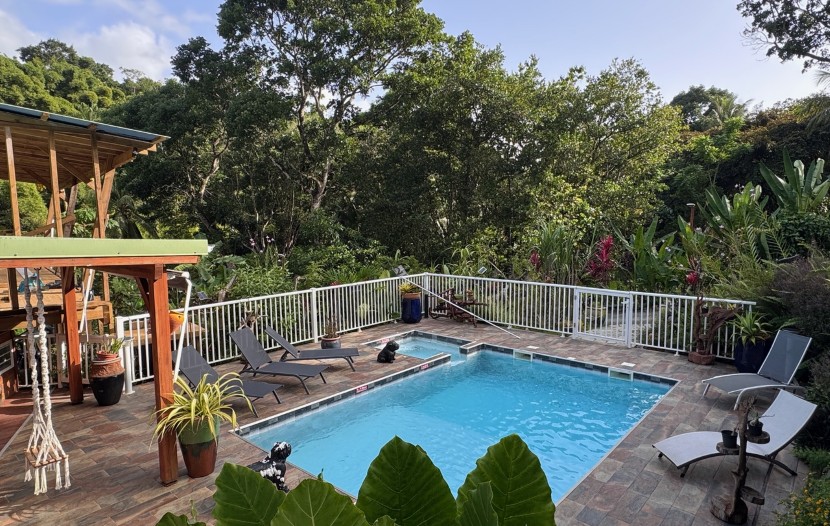
Credit: Gary Lawrence
Comfortable and very clean, they offer access to an inviting swimming pool, a profusion of flowers, abundant greenery, and excellent breakfasts. In the evening, hearty meals can be delivered to your room upon request, and the owners are a very friendly couple.
Cost of living
Unlike many Caribbean islands, the islands of Guadeloupe are not particularly inexpensive. Everything is paid for in euros, and the price of goods and food is often similar to what you would pay for the same thing in Canada, or even a little more: 3.9 euros for a single-scoop ice cream cone, dishes from 15 to 25 euros in restaurants… That said, you can always find something to eat at a low price, like these 10 filling cod fritters sold for 5 euros in Port-Louis.
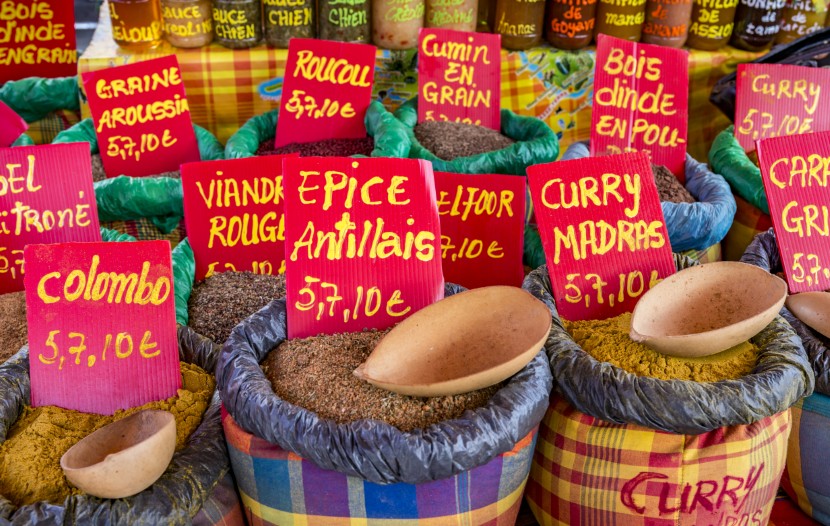
©Aurelien Brusini
Flights to Guadeloupe
Air Canada connects Montreal to Pointe-à-Pitre four to six times a week, all year round, in about five hours of flight; from Dec. 20 to April 30, the carrier will serve this same destination with a new weekly flight from Toronto.
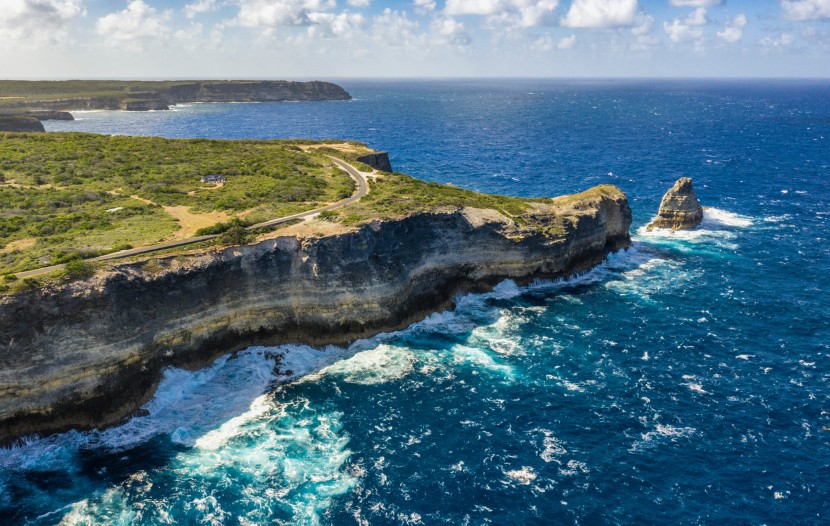
Pointe de la Grande vigie, Grande-Terre ©Aurelien Brusini
From November, Air Transat offers the same connection four times/week – now year-round – while from Dec. 6, Air France will do the same two times/week, until March 15.
From Quebec City, Air Transat will begin a new weekly and year-round flight to Pointe-à-Pitre, every Wednesday, from Feb. 18, 2025 to April 29, 2026.
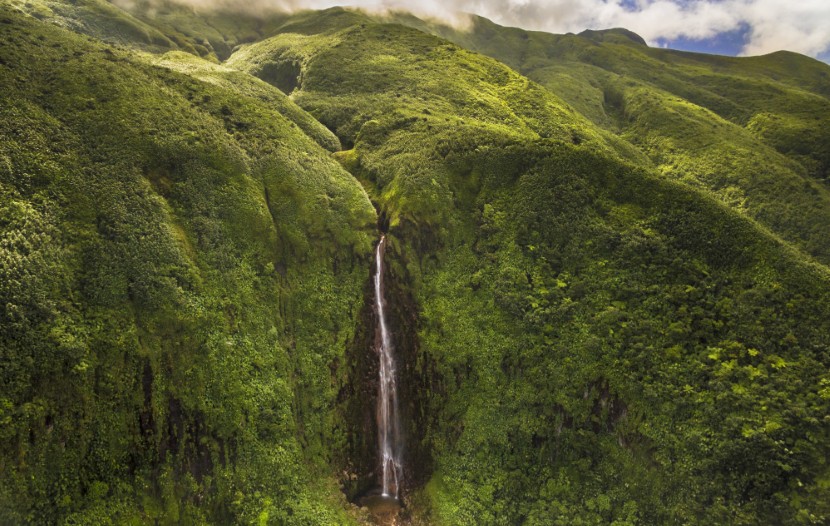
Aerial view of the first Carbet waterfall (115 m) ©Aurelien Brusini
For more information see lesilesdeguadeloupe.com.
